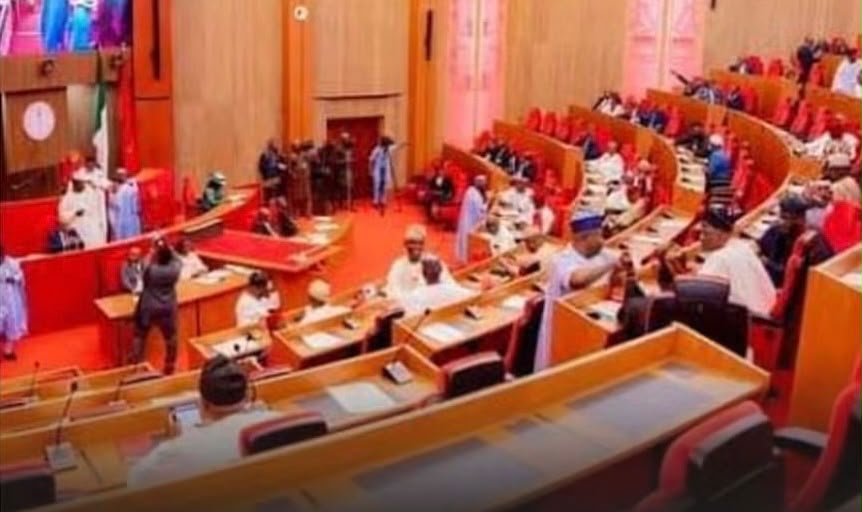
The next phase of Nigeria’s constitutional reform process will now play out across the 36 states, following the transmission of the 1999 Constitution (Sixth Alteration) Bill, 2026, by the National Assembly to all State Houses of Assembly.
The move effectively shifts the consideration of the proposed constitutional changes from the federal legislature to the state legislatures, whose approval is constitutionally required before the alterations can proceed.
Clerk to the National Assembly, Kamoru Ogunlana, announced the transmission on Wednesday, September 16, 2026, saying it was carried out on the directive of the National Assembly leadership and in accordance with Section 9 of the Constitution.
Under the constitutional procedure, at least 24 of the 36 State Houses of Assembly must approve an amendment before it can pass the required threshold. The state legislatures have therefore become central to determining the fate of the proposed reforms.
Among the measures now before the assemblies is a proposal for a dual policing structure that would permit states to establish independent police forces alongside the existing federal system.
Another proposal seeks dedicated legislative seats for women at both federal and state levels, potentially altering the present structure of representation in the country’s legislatures.
The amendment package also contains provisions aimed at strengthening local government autonomy, including greater financial independence and the devolution of powers to the third tier of government.
Ogunlana asked the state assemblies to consider the bill according to their respective legislative procedures and transmit their resolutions to the National Assembly after completing their consideration.
Although no constitutional deadline is prescribed for the state assemblies to respond, the National Assembly said it expects their decisions within 30 days of receiving the bill. It stressed, however, that the period is an administrative target and does not constitute a constitutional deadline.
The National Assembly said the transmission recognises the constitutional role and independence of the 36 State Houses of Assembly, describing the process as an effort to ensure due process, institutional cooperation and an orderly consideration of the proposed amendments.
The next stage of the constitutional review will depend on the resolutions returned by the state legislatures, after which the National Assembly said it would determine the appropriate subsequent steps.