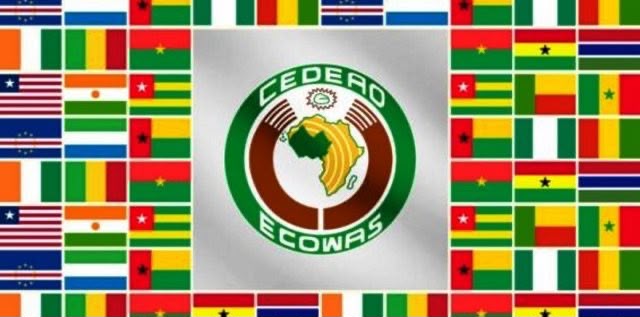
West Africa’s worsening environmental crisis is emerging as a new driver of insecurity, displacement and economic vulnerability, with Ghana’s Parliament warning ECOWAS member states that ecological damage can no longer be treated as a problem separate from regional security.
The warning came as Ghanaian lawmakers called for a coordinated ECOWAS response to the growing effects of climate change, environmental degradation, population displacement and insecurity, arguing that the challenges increasingly overlap and move across national borders.
The call was made in Accra at the opening of the Second Parliamentary Seminar and Second Extraordinary Session of the ECOWAS Parliament for 2026, with the discussions centred on the theme: “Climate Change, Environmental Degradation, Population Displacement and Growing Insecurity in the ECOWAS Region.”
Speaking on behalf of President John Dramani Mahama, Vice President Jane Naana Opoku-Agyemang and Speaker of Parliament Alban Sumana Kingsford Bagbin, the Leader of Ghana’s delegation, George Kwaku Ricketts Hagan, said the scale and cross-border nature of the challenges had made isolated national responses increasingly inadequate.
He said environmental pressures were already threatening livelihoods and could intensify competition over land, water and other resources, creating conditions capable of triggering displacement, exploitation and conflict.
Ghana’s Parliament singled out illegal small-scale mining, popularly known as “galamsey”, as a particularly serious threat, citing its damaging effects on forests, water bodies, soil, air quality, habitats and biodiversity.
The lawmakers argued that the consequences of such activities extend beyond the environment, affecting public health, economic security, food systems and the livelihoods of communities that depend directly on natural resources.
They therefore urged ECOWAS countries to broaden their definition of security to include the environmental and socioeconomic conditions that determine whether communities can remain safe, productive and stable.
The Ghanaian delegation also drew attention to the vulnerability of displaced populations, warning that people forced from their communities by environmental pressures could become exposed to exploitation and human trafficking, particularly where regional systems for protection and resettlement remain weak.
Against this backdrop, the lawmakers advocated a shift from predominantly crisis-response mechanisms to prevention, preparedness and resilience, urging ECOWAS to strengthen legislation and regional policies on climate adaptation, environmental protection, disaster management and natural-resource governance.
“Rivers cross national boundaries, ecosystems do not recognise political borders, and environmental crimes operate across jurisdictions, so our response must be regional,” the Parliament said.
It further called for stronger regional mechanisms to protect displaced persons, refugees and host communities, while urging governments to create economic opportunities that would reduce the vulnerability of young people and women.
According to the lawmakers, climate-smart agriculture, renewable energy, entrepreneurship and other emerging sectors could provide new avenues for employment while helping communities adapt to environmental changes.
They also stressed that ambitious regional policies would have little impact without sustainable financing, calling for increased investment in climate adaptation, environmental protection, peacebuilding and sustainable development.
While urging international development partners to support ECOWAS initiatives, Ghana’s Parliament said member states must also strengthen their domestic capacity to finance climate resilience and sustainable development.
The lawmakers said the crisis facing the region could, if properly managed, become an opportunity to build more resilient economies, generate employment and deepen regional integration through a transition towards sustainable production and development.
The parliamentary meeting is also expected to consider key Community matters, including the 2027 budget of the ECOWAS Parliament, while Ghana expressed support for the progressive introduction of direct elections for members of the regional legislature.
Ricketts Hagan said direct elections would strengthen the democratic legitimacy of the ECOWAS Parliament and deepen citizens’ ownership of the regional integration process.
He reaffirmed Ghana’s commitment to ECOWAS, regional integration, parliamentary diplomacy, democratic governance, peace and sustainable development, expressing the hope that the Accra deliberations would produce practical measures for confronting the interconnected pressures threatening the region.
The meeting brought together members of the ECOWAS Parliament, Ghanaian lawmakers, diplomats, ECOWAS institutions, development partners and other stakeholders.
The Ghanaian delegation urged participants to approach the discussions with a shared sense of regional responsibility, stressing that the environmental, security and displacement pressures confronting West Africa require collective rather than fragmented solutions.