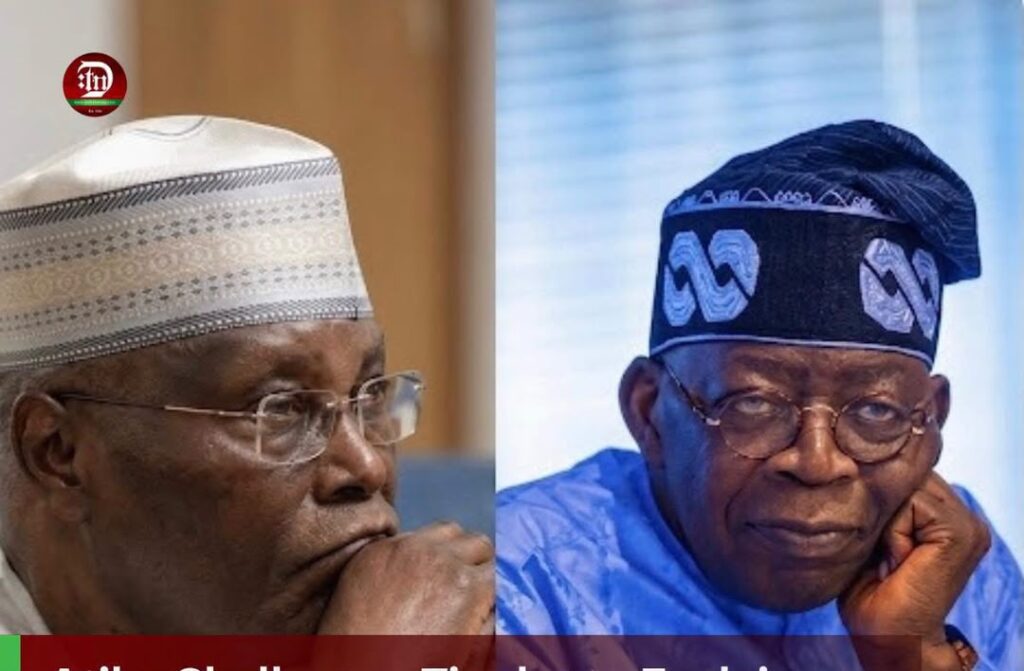
Former Vice-President Atiku Abubakar has demanded a line-by-line reconciliation of Nigeria’s public debt, questioning the composition of the ₦166.79 trillion figure reported by the Debt Management Office (DMO) as of June 30, 2026.
Atiku, through Phrank Shaibu, Director of Strategic Communications of the ADC Presidential Campaign Council, said Nigerians needed clearer information on how much of the debt increase represented fresh borrowing, exchange-rate effects, previously unrecorded obligations and other liabilities.
The DMO’s latest publication puts Nigeria’s total public debt at ₦166.79 trillion as of June 30, 2026. The figure compares with ₦49.85 trillion recorded in March 2023, although changes in the naira exchange rate and the composition of reported obligations also affect the naira value of foreign-currency debt. (Debt Management Office Nigeria)
Atiku therefore asked the Federal Government to publish a comprehensive reconciliation showing loans contracted since 2023, repayments made, outstanding balances and the extent to which exchange-rate movements have contributed to the increase.
He also turned attention to Nigeria’s external debt-service records for the second quarter of 2026, particularly $39.25 million classified by the DMO as “other charges”.
Of that amount, Atiku questioned a $22.5 million entry associated with a Total Return Swap involving First Abu Dhabi Bank, asking the government to disclose the agreement authorising the transaction, the original facility, the amount drawn and the obligations still outstanding.
The DMO has separately published an FAQ on the US$5 billion Total Return Swap with First Abu Dhabi Bank PJSC, dated August 28, 2026, indicating that the transaction is an existing government debt-management arrangement rather than an unidentified entry. (Debt Management Office Nigeria)
Atiku also called for clarification of the ₦19.48 trillion in Nigerian Treasury Bills outstanding as of June 30, asking the government to distinguish between instruments that matured, were redeemed, rolled over or represented new borrowing.
Beyond the accounting details, the former vice-president linked the debt debate to the wider economic consequences of the Tinubu administration’s reforms, arguing that increased government revenue and higher borrowing should be assessed against the cost of living faced by households.
He cited rising food, transport, electricity and other living costs and questioned what tangible benefits Nigerians were receiving from the additional revenues generated under the administration.
Atiku’s intervention comes as the Federal Government’s debt position and debt-servicing obligations remain central to debate over the sustainability and effects of its economic policies.
The latest DMO data and its separate second-quarter debt-service publications now provide the official figures around which the political argument is unfolding, while Atiku is demanding further disclosure to establish how much of the increase reflects borrowing itself and how much is attributable to other changes in the debt stock. (Debt Management Office Nigeria)