Idongesit Mishael, Uyo
Nigerian engineers have been challenged to take the lead in transforming the country’s tourism sector through smart innovations capable of attracting visitors, improving experiences and boosting revenue generation.
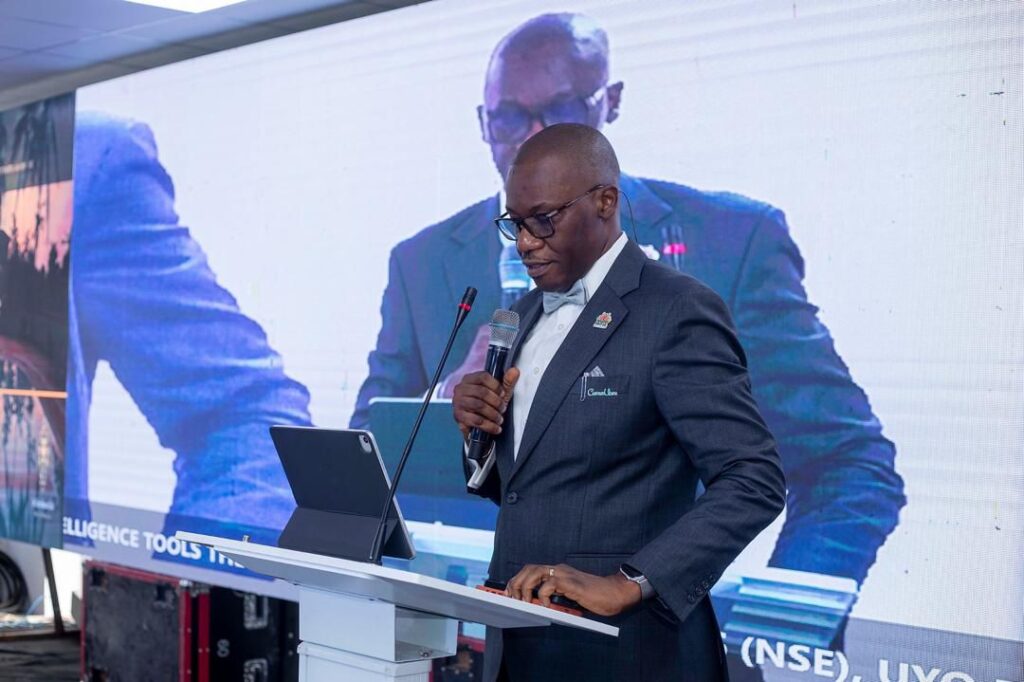
The Delivery Advisor to the Akwa Ibom State Governor on Tourism and Managing Director of Ibom Hotel and Golf Resort, Sir Charles Udoh, said Nigeria risks losing relevance in the rapidly evolving global tourism market if destinations fail to embrace emerging technologies that are reshaping how travellers make decisions and experience destinations.
Speaking at the 2026 Engineering Conference of the Nigerian Society of Engineers (NSE), Akwa Ibom State Branch, in Uyo, Udoh declared that tourism is no longer driven merely by physical attractions but by digital experiences powered by data, connectivity and artificial intelligence.
He warned that organisations and destinations that ignore technological disruption could suffer the fate of once-dominant global brands such as Kodak and Nokia, which failed to adapt quickly to changing technological realities despite their market leadership.
According to him, today’s traveller often experiences a destination digitally long before physically arriving, relying on online searches, reviews, videos, AI-powered travel assistants, digital bookings, electronic payments and GPS-enabled navigation systems.
“The first tourism experience today is no longer physical; it is digital. Increasingly, it is powered by Artificial Intelligence,” Udoh told the gathering of engineers, academics, government officials and industry stakeholders.
Highlighting Akwa Ibom’s tourism assets, he noted that the state already possesses critical infrastructure, including an international airport, Ibom Air, hospitality facilities, sporting infrastructure, beaches, cultural heritage sites, festivals, rainforests and waterways capable of positioning it as a leading tourism destination.
However, he stressed that the next challenge is not necessarily constructing more tourism assets but ensuring existing facilities are intelligently integrated to provide seamless and personalised visitor experiences.
Udoh argued that the future competitiveness of destinations would depend less on the quantity of assets available and more on how effectively technology is deployed to remove obstacles, anticipate visitor needs and simplify access to tourism offerings.
He said engineers have become indispensable to that process, noting that smart airports, hotels, transportation systems, booking platforms, security architecture, data management systems and AI-driven tourism solutions all depend on engineering expertise.
According to him, what visitors often perceive as convenience and efficiency are outcomes of carefully designed systems built and maintained by engineers working behind the scenes.
The tourism expert further identified artificial intelligence as a game changer capable of enabling personalised hotel services, predictive visitor analytics, smart transportation planning, multilingual digital storytelling at heritage sites and real-time decision-making by tourism operators.
He urged engineers, universities, technology firms and entrepreneurs to collaborate in developing practical digital solutions capable of enhancing tourism experiences and increasing the sector’s contribution to economic development.
“The future of tourism will not be built by tourism professionals alone. It will be built by engineers,” he said, adding that the destinations that will dominate the next decade will be those that deploy technology most intelligently rather than those with the largest physical infrastructure.
Udoh expressed confidence that Akwa Ibom possesses the vision, leadership, assets and technical talent required to become a model for smart tourism in Africa. He therefore urged stakeholders to embrace innovation and work collectively to ensure the state occupies a prominent place in the continent’s emerging digital tourism landscape.