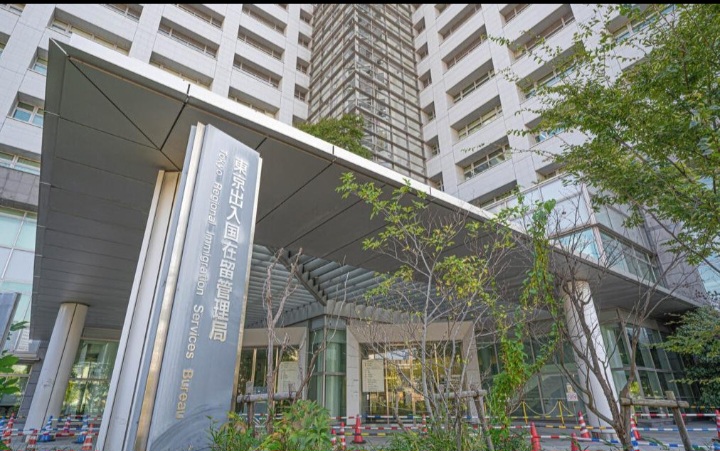
Japan has raised the financial cost of obtaining permanent residency to ¥200,000 while introducing tougher screening standards for foreigners seeking to settle in the country permanently.
The new fee took effect on October 1, 2026, replacing the previous ¥10,000 charge. Japan’s Immigration Services Agency confirmed that applications received by September 30 remain subject to the former fee, even where approval is granted after the increase.
The financial requirements for permanent residency have also been revised. Under the updated guidelines, applicants will be assessed on their ability to maintain an independent livelihood, including whether their income remains above the average level for Japanese households of a comparable size.
The revised framework further places greater emphasis on pension contributions and compliance with tax and social insurance obligations. Japanese-language ability and an applicant’s understanding of the country’s systems and rules have also been added to the factors considered during screening.
According to a report by The Sun, the Japanese government announced the changes as part of a broader tightening of the permanent residency system. The newspaper reported that most of the revised requirements will apply to applications submitted from April 2027, while the new income-related standard can affect applications filed from April 2026.
Japan’s immigration authority says applications submitted between April 1, 2026 and March 31, 2027 will continue to be assessed under the previous guidelines, except for the revised income provisions. Applications from April 1, 2027 will be considered under the full October 2026 guidelines.
The changes come as Japan continues to manage a record foreign-resident population alongside demographic pressures and labour shortages. The government has been revising immigration procedures and residency screening as it seeks to regulate long-term settlement while maintaining access to foreign workers.