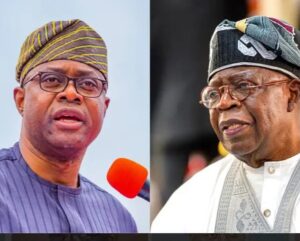
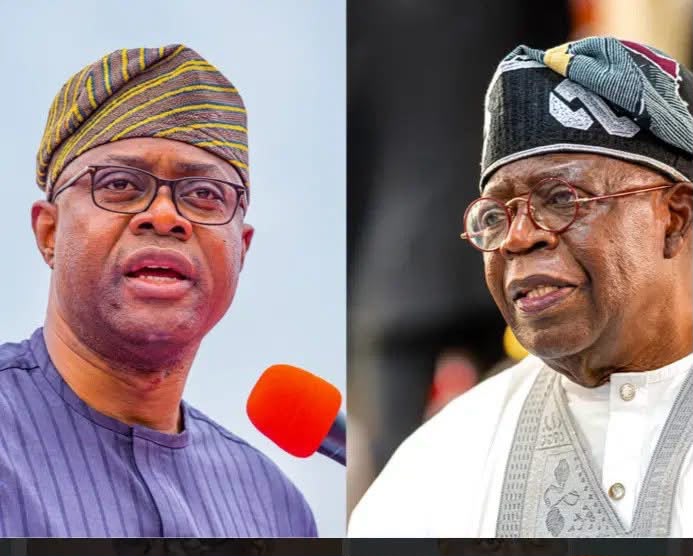
The three-day warning strike by Nigerian workers has given the presidential campaign of Oyo State Governor Seyi Makinde a fresh platform to challenge President Bola Ahmed Tinubu’s economic record ahead of the 2027 general elections.
The Makinde/Daura Presidential Campaign Organisation (MDPCO) argued that the grievances driving the workers’ action had exposed a widening gap between the Federal Government’s claims of economic recovery and the hardship being experienced by millions of Nigerians.
In a statement issued by its Director of Strategic Communication, Richard Ihediwa, the campaign said the workers’ demands should be viewed as a reflection of the economic pressures confronting households and businesses across the country.
It maintained that the situation had raised fundamental questions about the credibility of President Tinubu’s bid for a second term, particularly as Nigerians continue to contend with declining purchasing power and rising living costs.
According to the campaign, “the warning strike is a direct referendum on a failed government; a stark measure of how ill-conceived and ill-implemented economic policies have triggered widespread poverty in Nigeria.”
The organisation questioned the rationale behind seeking a renewed mandate from citizens who, it alleged, had borne the immediate costs of the administration’s economic reforms.
“We ask, how can a government that failed to shield its citizens from the consequences of its policies, credibly ask the same citizens to renew its mandate?” it asked.
MDPCO also accused the administration of failing to deliver meaningful capital-budget implementation, while criticising what it described as continued borrowing, declining transparency and accountability, and the repeated postponement of promised economic benefits.
The campaign further challenged the Federal Government’s narrative of gains from subsidy removal, arguing that the reported improvements in macroeconomic indicators had yet to translate into tangible relief for ordinary Nigerians.
It said the administration’s celebration of its reforms, despite the prevailing hardship, was disconnected from the realities faced by citizens.
The organisation called instead for economic policies that would prioritise livelihoods, expand national production and provide transparent and effective social protection for vulnerable Nigerians.
It said the proposed Makinde/Daura administration would implement its RESET Nigeria Agenda, built around inclusiveness, national production, security, transparency and accountability.
The campaign described the 2027 election as an opportunity for Nigerians to decide whether the country should continue along the current economic path or adopt what it called a more people-centred alternative.
It added that Governor Makinde, the APM presidential candidate, was gaining support across political divides ahead of the election, which it said would provide Nigerians an opportunity to “RESET Nigeria” and build a country that works for all.