The Federal Government has moved to avert further disruption in Nigeria’s steel value chain as the Ministry of Steel Development urged scrap-metal dealers to suspend their industrial action and return to negotiations over grievances affecting their businesses.
The appeal came as the ministry linked an early resolution of the dispute to the Federal Government’s ambition of raising Nigeria’s annual steel production to 10 million metric tonnes by 2030.
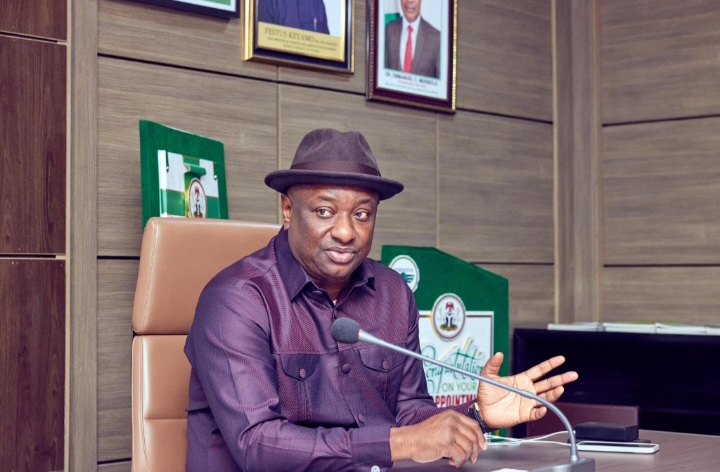
Minister of Steel Development, Prince Shuaibu Abubakar Audu, made the appeal through the ministry’s Permanent Secretary, Ambassador Nura Abba Rimi, urging the National Association of Scrap and Waste Dealers Employers of Nigeria (NASWDEN) and steel producers to resolve their differences through dialogue.
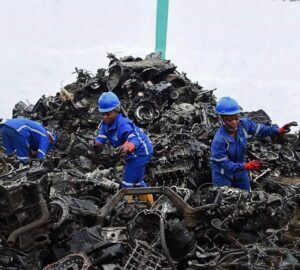
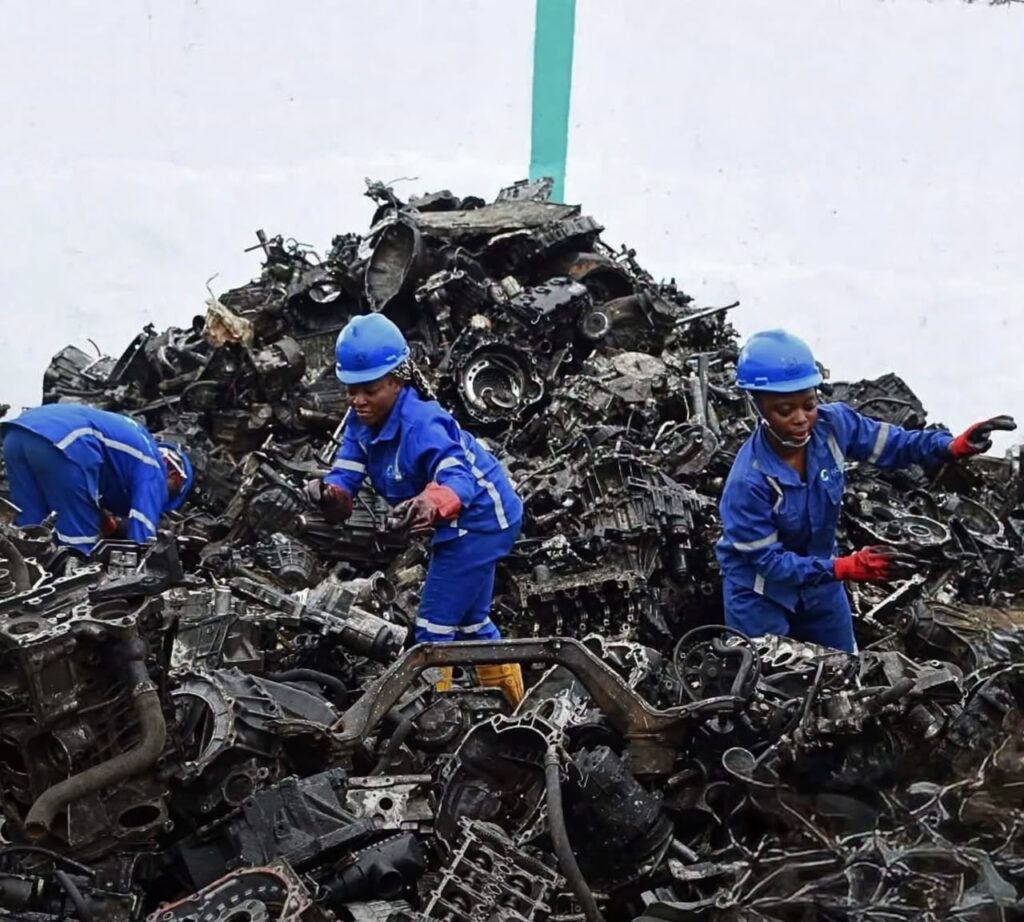
NASWDEN’s grievances include alleged undervaluation of scrap metals, manipulation of weighing scales and direct procurement of scrap by steel-producing companies, which the association says are undermining the role of local scrap dealers in the steel value chain.
The dealers have also protested the importation of billets, arguing that the practice further limits opportunities for local operators whose businesses depend substantially on the collection and supply of scrap metals to steel manufacturers.
The ministry, however, said the complaints were already before the National Steel Council and were being examined in consultation with relevant stakeholders.
It said Audu had directed the Permanent Secretary, working with the Office of the Executive Secretary of the National Steel Council, to invite NASWDEN’s national leadership for further discussions and mediation.
The intervention is coming at a time the Federal Government is seeking to expand domestic steel production, increase local value addition and reduce Nigeria’s dependence on imported steel products.
Audu therefore called on the scrap dealers and steel-producing companies to approach the dispute in good faith, stressing that continued confrontation could undermine efforts to strengthen the sector.
He urged NASWDEN to “sheath its sword”, suspend the industrial action and return to the negotiating table, while assuring the association that the ministry was prepared to facilitate a resolution of the issues raised.
The minister said the success of the government’s steel-sector reform would depend on the collective commitment of operators across the value chain, particularly as the country works towards the 10-million-metric-tonne annual production target by 2030.
Beyond production figures, the government is also targeting increased local value addition and job creation, with a stronger domestic steel industry expected to reduce pressure on foreign exchange arising from steel imports.
The ministry reiterated that it was committed to creating a fair and conducive operating environment for legitimate participants across the steel value chain.
It urged the affected stakeholders to prioritise dialogue and industrial harmony, saying the concerns raised by NASWDEN would receive appropriate attention through the ongoing consultation process.