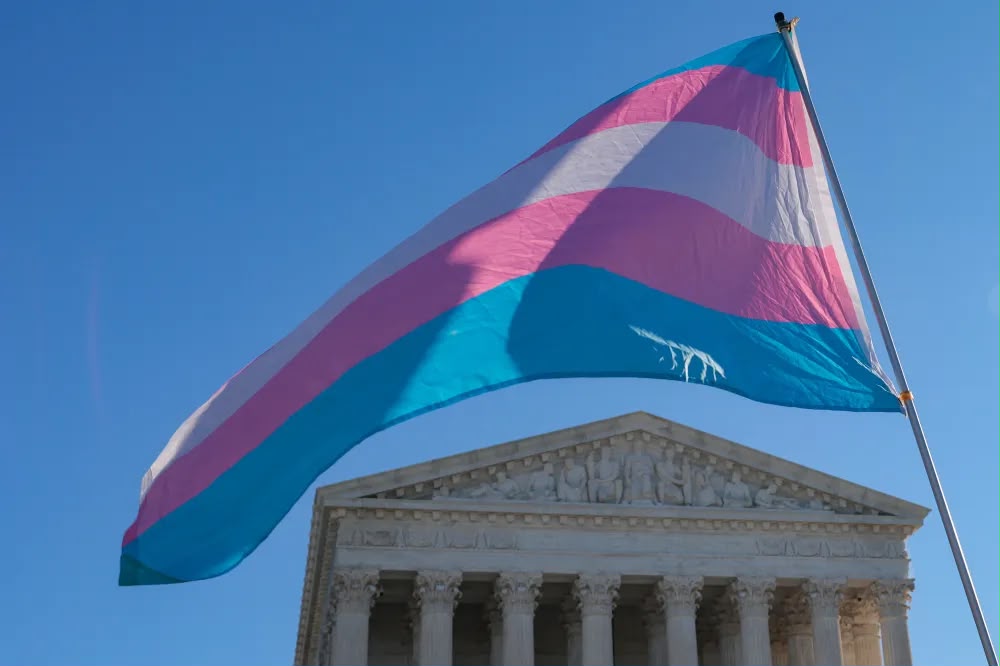
The Trump administration has suffered a setback at the US Supreme Court after the justices blocked its attempt to stop gender-affirming medical care for transgender prisoners while a legal challenge against the policy continues.
Newsweek reported that conservative Justices Clarence Thomas and Samuel Alito dissented from the court’s decision on Wednesday, October 21, 2026, indicating they would have allowed the administration’s policy to take effect.
The emergency order, which did not provide reasons for the decision, allows transgender inmates to continue receiving gender-affirming care pending the outcome of the legal dispute.
The case followed a policy introduced after President Donald Trump returned to office in January 2025. His administration directed federal agencies to stop using public funds for gender-affirming treatments, including those provided within federal prisons.
The Bureau of Prisons subsequently moved to discontinue treatments such as hormone therapy and restricted access to clothing and toiletries consistent with inmates’ gender identities.
In March 2025, three transgender prisoners — one transgender woman and two transgender men — challenged the policy in court, arguing that withdrawing prescribed treatments violated their constitutional protections against cruel and unusual punishment.
The plaintiffs also alleged discrimination and violations of federal laws governing administrative actions and disability rights. They are representing approximately 1,000 transgender people in federal custody, according to Newsweek.
A federal district court issued an injunction against the policy in June 2025, and the government’s subsequent appeal was rejected before the case reached the Supreme Court.
Reacting to the latest ruling, White House spokeswoman Allison Schuster described it as a defeat for common sense, defending the administration’s position that taxpayer funds should not support the treatments.
She said the administration would continue pursuing measures to end such spending and maintain its approach to healthcare policy.
The Supreme Court’s order does not settle the underlying dispute. Instead, it allows the challenged care to continue while the legal proceedings remain unresolved.