The Akwa Ibom State Independent Electoral Commission (AKISIEC) has proposed that election funds be made available at least 12 months before polling, alongside a renewable five-year tenure for its members, as the state moves to review the legal framework for local government elections.
The proposals emerged at a public hearing on a bill seeking to repeal the Akwa Ibom State Independent Electoral Commission Law, 2024, and align the state’s electoral framework with the Electoral Act, 2026.
Presenting the commission’s position, its Secretary and Officer Covering the Duties of the Board Chairman, Dr. Uduak Udoh, said the proposed legislation was intended to address gaps in the existing law, clarify institutional responsibilities and strengthen the administration of grassroots elections.
The hearing, organised by the Akwa Ibom State House of Assembly Committee on Inter-Governmental, Political and Special Matters, was held on Monday, October 26, 2026, at Luton Park Hotel, Uyo.
Under the proposed funding arrangement, money required for elections would constitute a first-line charge and be released at least 12 months before the next election. Although disbursement could be made in tranches based on programme requirements, the proposal is expected to give the commission more time to plan and prepare for polling.
The Nigeria Union of Journalists (NUJ), however, called for the full release of approved election funds rather than payment in instalments.
The state NUJ Chairman, Comrade Nsibiet John, argued that making the funds available in full would better equip the commission to meet its operational obligations and avoid disruptions to preparations.
John also urged AKISIEC to establish a functional media unit and an election situation room to provide timely updates from local government areas during elections. He called for regular media briefings to improve public access to information and address concerns as they arise.
Beyond funding, the proposed bill recommends that AKISIEC members serve five-year terms, renewable once, while the commission’s secretary would serve a four-year term, also renewable once.
The commission also proposed a detailed electoral timetable, including publication of an election notice at least 300 days before polling, commencement of public campaigns 150 days before election day and completion of party primaries and submission of candidates’ lists at least 120 days before the election.
Campaigns would end 24 hours before polling, while candidate nominations could be conducted through direct primaries or consensus, subject to the proposed legal provisions.
The commission said the revised framework should also protect the voting rights of women, young people, senior citizens and persons with disabilities across the state’s 4,353 electoral units, 369 wards and 31 local government areas.
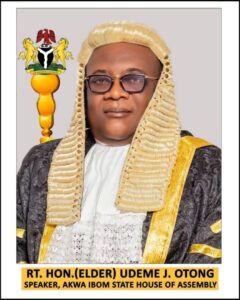
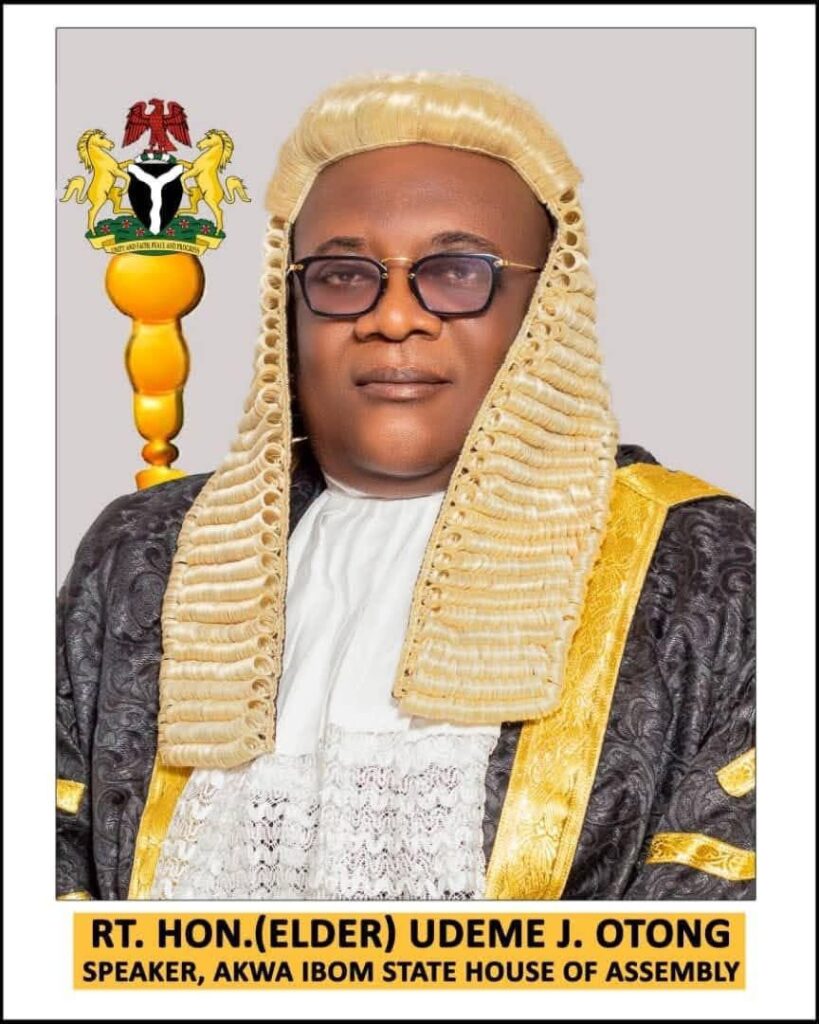
Declaring the hearing open, the Speaker of the House of Assembly, Rt. Hon. Udeme Otong, said the credibility of local government elections was essential because councils were the tier of government closest to the people and responsible for addressing many of their immediate needs.
Otong urged political parties, civil society groups, legal practitioners, electoral officials and community leaders to contribute meaningfully to the legislative process, stressing that public hearings allowed lawmakers to examine proposed laws before making final decisions.
Chairman of the House Committee on Inter-Governmental, Political and Special Matters, Hon. Emem Udom, said the exercise was intended to identify areas requiring clarification or amendment and ensure that the proposed law established clear responsibilities, effective administrative arrangements and safeguards for transparent elections.
He added that the legislation must comply with relevant constitutional provisions while promoting fairness, accountability, impartiality and respect for the rule of law.
The Resident Electoral Commissioner of the Independent National Electoral Commission (INEC), Prof. Anugbum Onuoha, represented by Barr. Vincent Ogene, pledged continued cooperation between INEC and AKISIEC to strengthen electoral administration.
Onuoha also urged stakeholders to protect polling units, voter registration centres and other electoral facilities from unauthorised interference, regardless of the status or influence of those responsible.
The state Chairman of the Nigeria Labour Congress, Comrade Sunny James, called for the introduction of electronic voting as part of efforts to improve electoral administration.
The stakeholders’ submissions are expected to inform the committee’s further consideration of the bill before any final legislative decision is taken.
If enacted, the proposed law would determine important aspects of AKISIEC’s tenure, funding arrangements and electoral procedures ahead of the proposed 2027 local government elections.