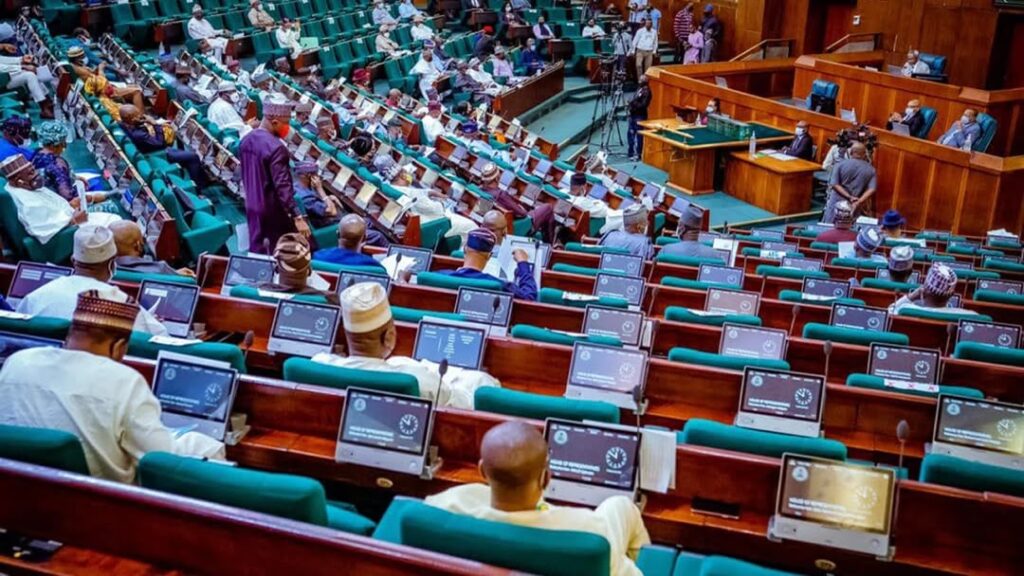
The House of Representatives has moved to check rising fees in public tertiary institutions, warning that steep increases could undermine the Nigerian Education Loan Fund (NELFUND) and shut more students out of higher education.
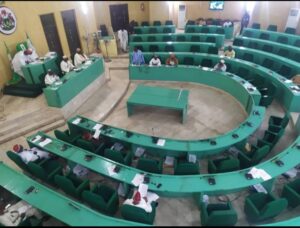
The lawmakers, at plenary on Tuesday, urged the Federal Government to halt proposed fee increases and review existing charges, arguing that government-backed student loans could lose their intended impact if universities and other institutions continue raising the cost of education beyond the reach of ordinary families.
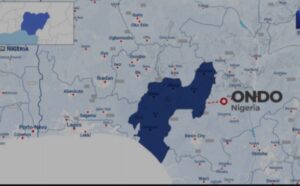
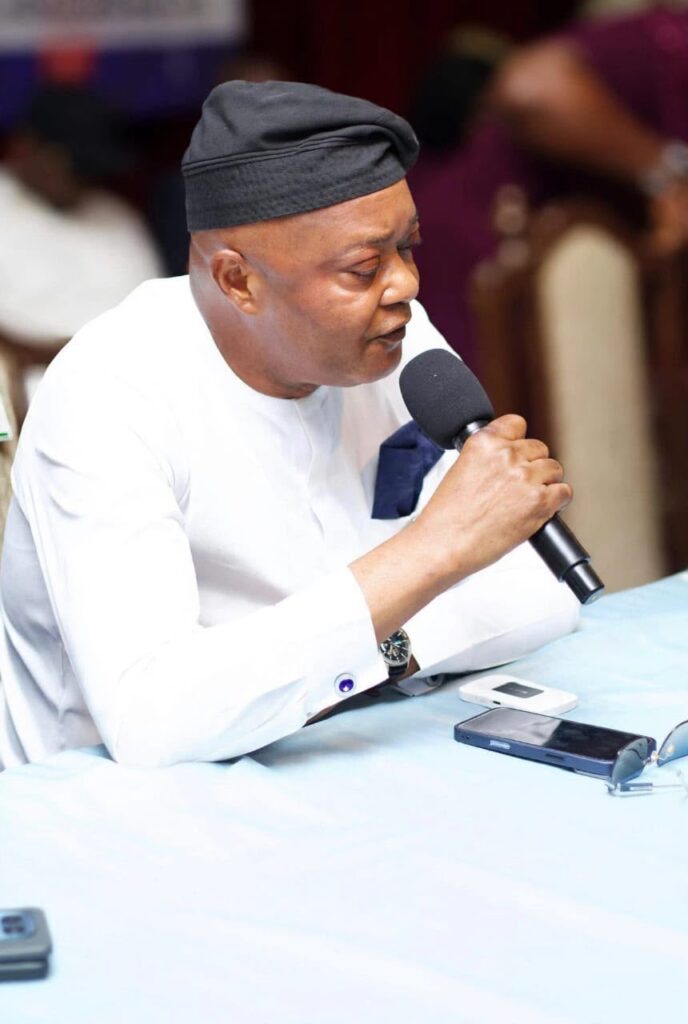
The House action followed the adoption of a motion sponsored by Ifeoluwa Ehindero, representing Akoko-South West/Akoko-South East Federal Constituency of Ondo State and Chairman of the House Committee on NELFUND.
In the motion, titled “Need to Halt the Recent Increase in School Fees by Public Tertiary Institutions and Its Impact on Nigerian Education Loan Fund,” Ehindero warned that rising tuition and compulsory charges could undermine a scheme established to improve access to higher education.
He argued that the loan programme was designed around prevailing tuition levels and institutional cost structures, making sudden and substantial fee increases a threat to its effectiveness and long-term sustainability.
“Arbitrary or sudden hikes in fees by institutions will undermine the sustainability, equity and effectiveness of the loan programme,” the lawmaker said.
Ehindero noted that universities, polytechnics and colleges of education had increased tuition and other compulsory charges, with some institutions reportedly imposing hikes exceeding 100 per cent.
He expressed concern that some of the increases were introduced without adequate consultation or sufficient consideration of the economic pressures on Nigerian households.
The lawmaker maintained that while student loans were intended to ease the financial burden of higher education, escalating institutional charges could leave beneficiaries struggling to meet costs not adequately covered by the scheme.
He warned that the situation could particularly disadvantage students from low-income households, potentially forcing some to abandon their studies despite the existence of a government-backed financing arrangement.
According to him, unchecked fee increases could trigger more student dropouts, campus unrest and declining public confidence in the government’s commitment to making education accessible.
The House consequently called on the Federal Ministry of Education and the National Universities Commission to engage institutional managers on suspending the increases and reviewing tuition structures to make them more affordable.
It also urged the Federal Government to provide greater financial support to public tertiary institutions, reducing their dependence on revenue generated directly from students.
The lawmakers further mandated the House Committees on University Education, Federal Polytechnics and Higher Technical Education, and Federal Colleges of Education to investigate the extent of the fee increases and establish whether they were justified.
The investigation is expected to examine the scale of the new charges and the circumstances surrounding their introduction.
The House intervention places the affordability of tertiary education and the effectiveness of NELFUND at the centre of the debate over how public institutions should finance their operations without placing an excessive burden on students and their families.