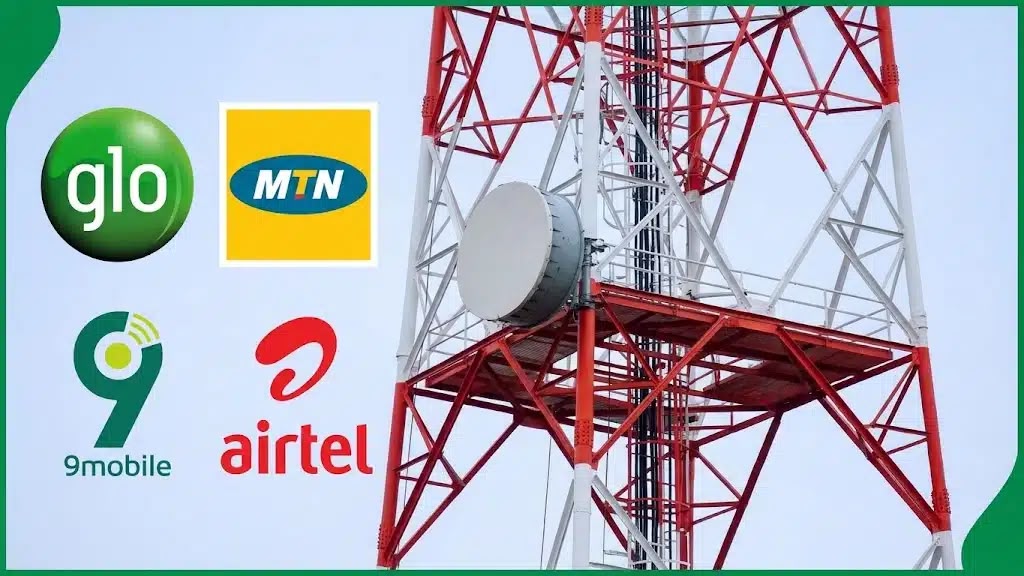
The House of Representatives has given the chief executives of MTN, Airtel, Globacom and other telecommunications companies until November 4 to explain persistent service failures, rejecting an attempt by their industry association to represent them at an investigative hearing.
The lawmakers, who expressed displeasure over the operators’ failure to honour an earlier invitation, insisted that the companies must account individually for the quality of services provided to millions of Nigerian subscribers.
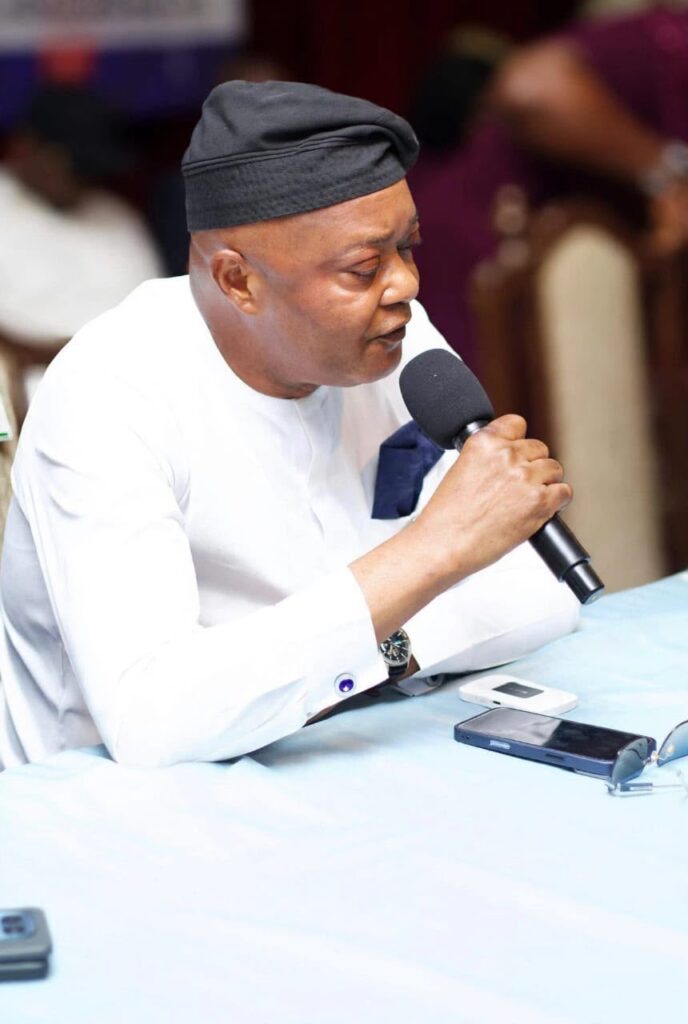
The decision was taken on Wednesday by the House ad hoc committee investigating telecommunications service quality, chaired by Olumide Osoba, after members declined to accept the Chairman of the Association of Licensed Telecommunications Operators of Nigeria (ALTON), Gbenga Adebayo, as a substitute for the company executives.
The committee directed the chief executives and other senior officials of MTN Nigeria, Airtel Nigeria, Globacom, Mafab Communications and other licensed operators to appear on the new date.
The operators had been invited on October 21 to respond to complaints about dropped calls, slow internet connections, failed airtime and data transactions, as well as inadequate network coverage in several communities.
Moving a motion for the executives to appear personally, Rep. Sunday Umeha argued that the companies could not evade individual accountability by relying on their membership of an industry association.
He maintained that each operator held a separate licence issued by the Federal Government and was therefore responsible for explaining its own operations and service delivery record.
Umeha also criticised a letter from ALTON which he said questioned the committee’s authority to summon the operators, describing the position as an attempt to treat a legislative invitation as a privilege rather than an obligation.
Citing Section 88 of the 1999 Constitution, as amended, the lawmaker argued that the National Assembly had the authority to investigate matters connected with its legislative responsibilities, including the implementation of government policies in the telecommunications sector.
He disclosed that lawmakers had considered ordering the arrest of the chief executives at an earlier sitting but opted to give them another opportunity to appear. According to him, the operators failed to take advantage of the concession despite further communication through the Nigerian Communications Commission (NCC).
An NCC representative told the committee that the commission had communicated the invitations directly to the companies’ chief executives.
Supporting the motion, House spokesman Akin Rotimi Jr. questioned the decision to send an industry representative in place of the executives, noting that subscribers deal directly with individual operators when their services fail.
Rotimi also raised concerns about the consequences of poor network coverage for public safety, particularly in rural communities where the absence of mobile signals can leave residents unable to communicate during emergencies.
He cited security challenges in parts of his constituency in Ekiti State, alleging that two traditional rulers were killed in an ambush along a road where mobile network signals were unavailable for about 20 minutes.
The lawmaker accused operators of concentrating infrastructure in commercially attractive locations while leaving some communities with inadequate or no coverage.
The committee also questioned Adebayo over a reported ₦8.46 billion fine imposed on Globacom, raising doubts about whether an industry association chairman could adequately answer questions relating to the separate operations of its member companies.
Osoba subsequently put Umeha’s motion to a voice vote, and members supported the proposal to summon the executives. The committee then adjourned until November 4.
The investigation comes amid continuing concerns about the quality of telecommunications services, despite regulatory interventions and reported compensation for affected customers.
On October 20, the NCC said operators had compensated 75 million subscribers for poor services in 2026, while nearly three million other subscribers received refunds for failed airtime and data transactions. The commission also reported more than 6,500 network interventions during the year.
However, figures cited in the report showed that the four major operators recorded 413,587 consumer complaints in the first half of 2026. Airtel accounted for 228,992 complaints, MTN recorded 124,405, Globacom had 56,810, while T2mobile recorded 3,885.
Although the operators reportedly resolved 406,938 of the complaints, the continued dissatisfaction among subscribers has sustained calls for improved service delivery and stronger accountability.
The November 4 hearing is expected to give the lawmakers an opportunity to question the operators directly on the causes of persistent network problems and the measures being taken to improve coverage and service reliability nationwide.