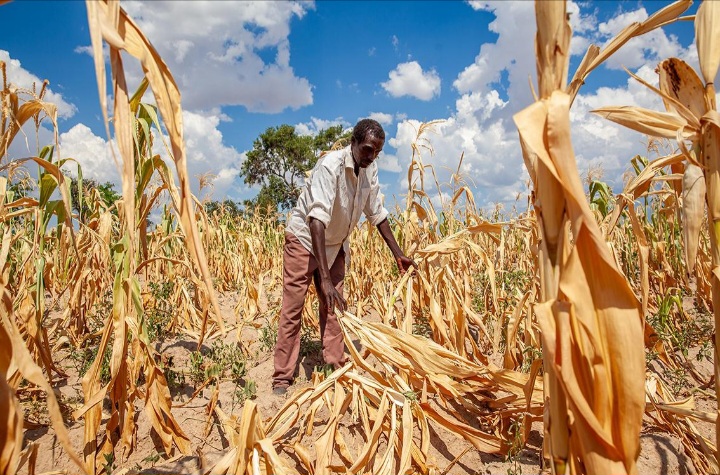
The United Nations has warned that the combined effects of extreme weather conditions and the ongoing conflict involving Iran could deepen global food insecurity, as rising fuel and fertiliser costs add pressure to agricultural production and household budgets.
Maximo Torero, Chief Economist of the UN Food and Agriculture Organization (FAO), said the El Niño weather phenomenon was disrupting agricultural activities across several regions, threatening harvests and increasing the risk of food shortages.
In an interview with AFP cited by Channels Television, Torero explained that flooding could destroy food stocks and damage roads and other infrastructure required to transport agricultural produce, while drought could reduce crop yields and the availability of animal feed.
He noted that the effects of adverse weather conditions could trigger increases in food prices even before harvest periods, as uncertainty over future supplies influences market behaviour.
Torero added that the war in Iran had compounded the situation by pushing up fuel and fertiliser costs, making farming more expensive and placing additional financial pressure on households, particularly those with limited incomes.
He warned that rising food prices could force vulnerable families to reduce their food consumption or switch to less nutritious diets, increasing the risks of hunger and malnutrition.
The FAO had earlier disclosed that it received only 20 per cent of the $202 million required to prepare for an anticipated El Niño-related food crisis across 22 high-risk countries.
Meanwhile, the effects of the climate phenomenon are being felt in different parts of the world. Peru has declared a state of emergency over the threat of flooding and landslides, with more than nine million people considered vulnerable to the disasters.
In Asia, the Philippines has earmarked more than $980 million for measures to protect its agricultural sector, following a reported 18 per cent decline in unmilled rice production in the three months to September. Sri Lanka, meanwhile, has withdrawn a proposed electricity tariff increase after heavy rainfall improved water levels in its hydropower reservoirs.
The European Union’s Copernicus climate monitoring service has also warned that 2026 could become the second-warmest year on record, as the unusually strong El Niño adds to global temperatures already elevated by human-induced climate change.