A proposed federal legislation in the United States has prescribed prison terms of up to five years and fines of as much as $150,000 for violations of new requirements governing the distribution and disposal of abortion medication waste.
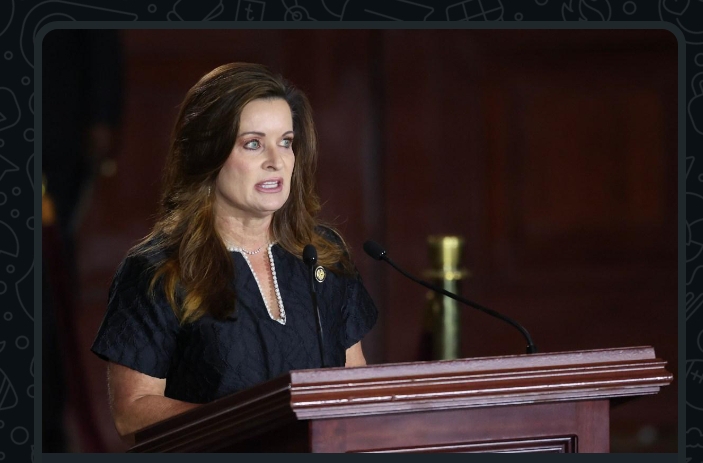
The bill, titled the Don’t Flush Babies Act, was introduced by South Carolina Republican Representative Sheri Biggs, with Texas Representative Michael Cloud as a co-sponsor.
Newsweek reported that the legislation also requires abortion providers to supply patients with collection kits containing separate containers for fetal remains and solid medical waste. Manufacturers would be required to include warnings on abortion pill packaging against flushing the materials down toilets.
The proposal places responsibility on abortion providers to receive returned materials from patients, even where the medication was obtained elsewhere. Providers would also be required to arrange burial or cremation of fetal remains and ensure the disposal of other medical waste.
The legislation has attracted opposition from reproductive healthcare organisations. The Palmetto State Abortion Fund rejected claims that fetal tissue from medication abortions presents an established threat to wastewater systems, describing the proposed kits as unnecessary and raising concerns about patient privacy.
Liberty Counsel Action, an anti-abortion organisation involved in developing the bill, supported the measure, arguing that remains from at-home medication abortions enter wastewater systems.
The proposal is not the first attempt by Republican lawmakers to introduce federal collection and disposal requirements for abortion-related waste. Illinois Representative Mary Miller introduced the Clean Water for All Life Act in March, proposing collection kits, disposal bags and mandatory in-person medical supervision during medication abortions.
The legislation and the Don’t Flush Babies Act are both awaiting further action in congressional committees.
The Guttmacher Institute recorded approximately 1.13 million clinician-provided abortions in the United States in 2025, while its figures showed that telehealth abortions for patients in states with total abortion bans increased from about 74,000 in 2024 to 91,000 in 2025, Newsweek reported.