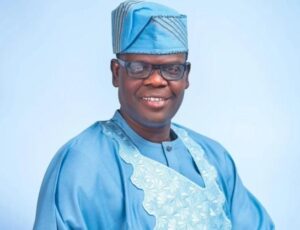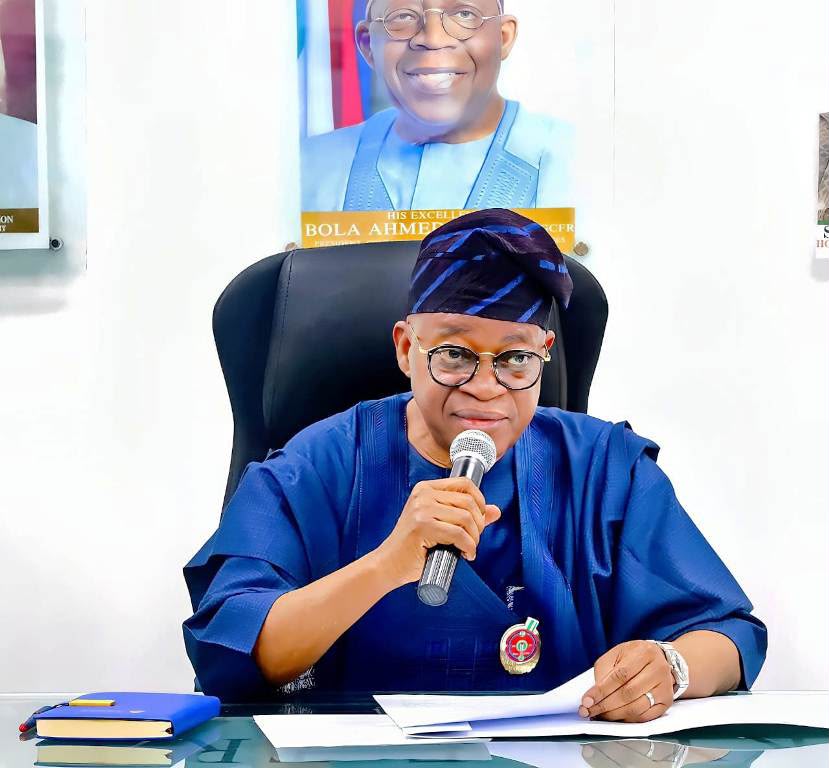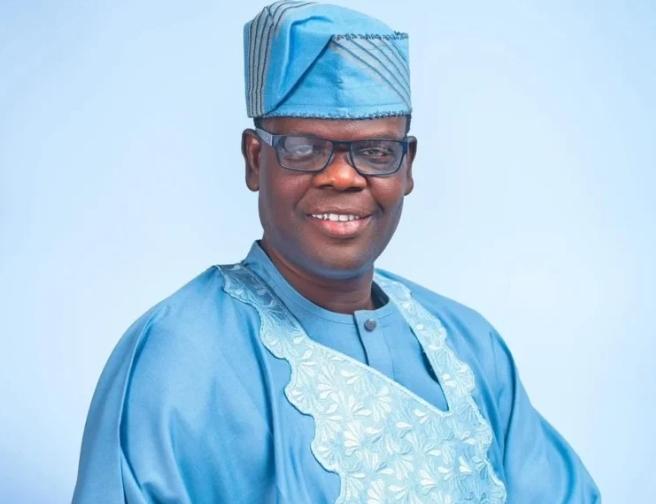
Oriyomi Hamzat, the Accord Party’s governorship candidate in Oyo State, has declared that he will support President Bola Tinubu’s re-election bid in 2027, insisting that he has no intention of going against his party’s position.
Hamzat made this known while speaking with journalists during the University of Ibadan’s 2026 convocation ceremony and 78th Foundation Day celebration, where he received a master’s degree in Peace and Conflict Resolution.
His comments followed a meeting with former Senate Leader, Teslim Folarin, who reportedly visited him to seek his support and that of other Accord Party members for Tinubu ahead of the next presidential election.
According to Hamzat, Accord has adopted Tinubu as its preferred presidential candidate because the party does not have anyone contesting for the presidency. He maintained that going against the decision would amount to anti-party activity, something he was unwilling to do.
The broadcaster also explained that opposing Tinubu would serve no useful purpose, particularly as his party had already decided which presidential candidate to support.
Meanwhile, Hamzat has made it clear that his ambition to become Oyo State governor remains unchanged. He dismissed the possibility of withdrawing from the contest in favour of another aspirant, stressing that he is determined to pursue his political ambition.
He said his interest in the governorship position was driven by a desire to serve the people rather than simply occupy political office.
The Accord candidate also disclosed plans to introduce a people-focused manifesto, which he said would prioritise public welfare and development at the grassroots.
One of his major proposals is the establishment of mediation centres across all 33 local government areas of Oyo State. He explained that the centres would help resolve disputes at the community level before they develop into serious security threats.
Hamzat further said his recent academic pursuit was aimed at strengthening his existing knowledge of traditional conflict resolution with formal education, adding that his studies at the University of Ibadan exposed him to several areas where he needed further development.