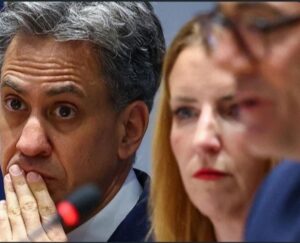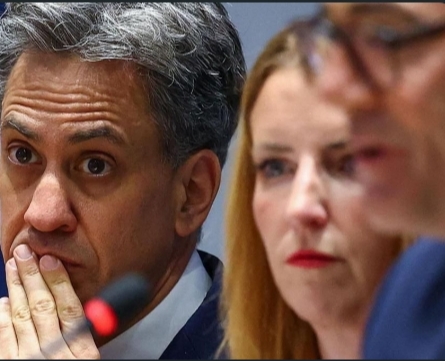
Britain’s latest cooperation agreement with the European Union will take effect despite an unresolved disagreement over university tuition fees for European students, Foreign Secretary Ed Miliband has said.
Miliband gave the assurance in an interview with the BBC, dismissing concerns that the outstanding issue could jeopardise wider agreements reached at Friday’s summit in Brussels.
He disclosed that the tuition fee negotiations were being handled separately from the arrangements covering food exports, energy cooperation and youth mobility, with implementation scheduled to begin in 2028. The British government is also preparing legislation to implement the agreements.
The foreign secretary maintained that the new arrangements would not introduce additional contributions to the EU budget, insisting that the agreements reached at the summit would carry no new cost to British taxpayers.
Beyond the immediate agreement, Miliband indicated that Britain could consider a broader range of options for its future relationship with the EU, including the possibility of rejoining the bloc. He acknowledged that the political and economic circumstances had changed considerably since the 2016 Brexit referendum, although he said the government would respect its existing commitments during the current parliament.
The agreement has, however, attracted criticism from opposition parties. Conservative leader Kemi Badenoch questioned its benefits to British farmers and workers, while Reform UK leader Nigel Farage described the arrangement as a betrayal of the electorate. Liberal Democrat leader Ed Davey also argued that the measures fell short of the deeper relationship Britain needed with the European bloc.
Prime Minister Andy Burnham has defended the agreement, projecting that closer economic cooperation could add up to £17bn annually to the British economy.