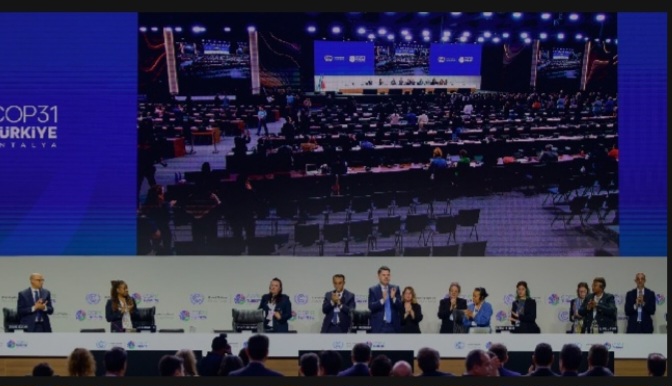
The 31st United Nations Climate Change Conference (COP31) in Antalya, Turkey, ended without a comprehensive agreement after participating countries failed to resolve disagreements over the future of fossil fuels and other key climate commitments.
The breakdown exposed deep divisions among nearly 200 participating nations, particularly over how quickly the global economy should move away from coal, oil and gas, as well as the level of ambition required to address rising global temperatures.
Channels Television reported that negotiations remained deadlocked despite efforts by Australia’s Climate Minister and negotiations chair, Chris Bowen, to secure a common position among the countries. Bowen attributed the failure to conflicting positions that proved impossible to reconcile.
The disagreement was particularly pronounced between countries advocating a clear commitment to phase out fossil fuels and oil-producing nations opposed to including such a provision in the final agreement. Ireland, Panama, Vanuatu and the Marshall Islands were among those rejecting a deal that did not explicitly address fossil fuels.
The collapse also dealt a setback to efforts to strengthen international commitments under the Paris Agreement, particularly its ambition to limit global warming to 1.5 degrees Celsius. Developing countries also lost an opportunity to secure a proposed $120 billion climate financing target, which was dropped from the proposed agreement.
Reacting to the outcome, United Nations Secretary-General Antonio Guterres expressed disappointment, while UN climate chief Simon Stiell warned against allowing the failure to become a recurring feature of international climate negotiations.
Former United States Vice President Al Gore also called for substantial reforms to the COP process, arguing that the influence of a small number of oil-producing countries had undermined efforts by other nations to advance stronger climate commitments.