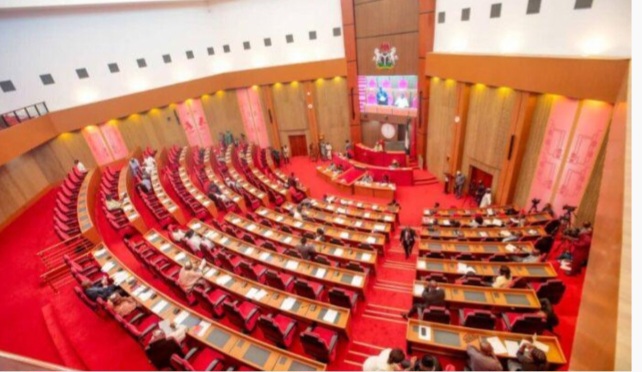

The House of Representatives has taken a step towards reforming Nigeria’s social investment programmes, advancing a bill designed to improve how government assistance is coordinated and delivered to vulnerable citizens.
The proposed legislation, which passed its second reading on Tuesday, seeks to amend the National Social Investment Programme Agency (Establishment) Act, 2023, with a focus on improving accountability, transparency and the effective distribution of social support.
Deputy Speaker of the House, Benjamin Kalu, who sponsored the bill alongside six other lawmakers, said Nigeria needed a more coordinated approach to social intervention rather than allowing different programmes to operate independently.
During the debate, Kalu argued that the success of government assistance should not be judged by the amount of money allocated or the number of programmes introduced, but by whether the intended beneficiaries actually receive the support.
He noted that weaknesses in beneficiary records, poor coordination and overlapping responsibilities could prevent assistance from reaching the people who genuinely need it.
Among the key proposals in the bill is the introduction of a Grant for Vulnerable Groups Programme and a National Social Safety-Net Coordinating Office. The proposed office would serve as the central body responsible for coordinating social safety-net interventions and managing the National Social Register.
The legislation also seeks to establish offices across the states and appoint executive directors to oversee specific programmes. According to Kalu, these measures would bring the implementation of social investment initiatives closer to communities and make responsibilities easier to monitor.
He said children struggling to remain in school, unemployed young people searching for opportunities and low-income households facing financial difficulties were among those who stood to benefit from a more effective system.
The Deputy Speaker further maintained that the proposed reforms would improve cooperation between federal, state and local governments while strengthening the protection and verification of beneficiaries’ information.
Other lawmakers supported the bill, which was eventually put to a voice vote by Speaker Tajudeen Abbas and received approval to proceed to the next legislative stage.
The move comes amid persistent concerns about the effectiveness of Nigeria’s poverty reduction and social welfare initiatives, particularly allegations of poor targeting, duplication and difficulties identifying genuine beneficiaries.
Established to provide assistance to disadvantaged Nigerians, the National Social Investment Programme covers interventions aimed at supporting vulnerable households, unemployed youths, women and other groups facing economic hardship.