Idara Jerome, Uyo
Efforts to prevent babies from being born with HIV in Akwa Ibom State are increasingly focusing on traditional birth attendants (TBAs), with community health workers helping to identify and refer pregnant women to appropriate medical facilities for testing and treatment.
The intervention, which involves mentor mothers referring pregnant women, particularly those living with HIV, from traditional birth attendants to secondary healthcare facilities, is part of community-led efforts to strengthen prevention of mother-to-child transmission of HIV and improve maternal and child health outcomes.
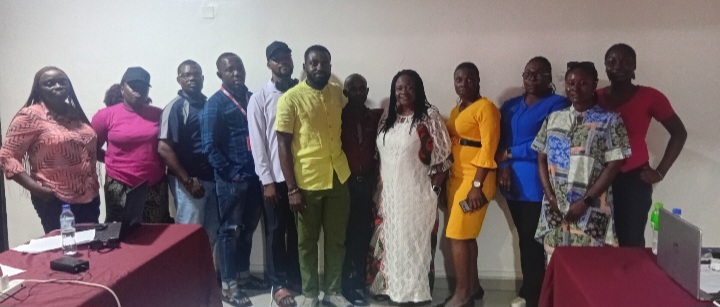
State Coordinator of the State AIDS, Viral Hepatitis and Sexually Transmitted Infections Control Programme, Dr Aniekan Umoh, disclosed this during a media roundtable organised by the Network of People Living with HIV (NEPWHAN) in Uyo on Friday.
He said the intervention had contributed to an increase in the number of HIV-negative babies born to HIV-positive mothers, alongside improvements in the quality of life of beneficiaries.
“In the area of PMTCT, mentor mothers refer pregnant women from the TBAs to the secondary facilities where they access services, mostly those who are positive, so that at the end of the day their babies, HIV-exposed infants, will be negative,” he said.
Dr Umoh commended the community-based organisations involved in the intervention, noting that their monitoring activities had helped identify gaps in primary healthcare delivery and strengthen collaboration between health authorities and communities.
The initiative operates under the Community-Led Monitoring (CLM) project, coordinated by NEPWHAN through the Institute of Human Virology Nigeria (IHVN), with three community-based organisations implementing activities across the state.
The organisations are Drug-Free and Preventive Healthcare Organization (DAPHO), Exotic World Initiative (EWI) and Pride of Womanhood Empowerment Initiative (POWEI).
Through facility observations, client exit interviews and community advocacy, the groups monitor the accessibility, affordability and availability of services for people living with HIV, tuberculosis and malaria, while identifying challenges requiring government or community intervention.
NEPWHAN State Coordinator, Elizabeth Udo, said the initiative was also changing community attitudes towards healthcare delivery by encouraging residents to take responsibility for improving facilities and supporting health interventions.
She said traditional rulers, women leaders, youth groups, Ward Development Committees and philanthropists were increasingly participating in identifying healthcare gaps and mobilising resources to address them.
“We are not coming to report anybody, just to strengthen and make the system to be improved,” Udo said, explaining that the programme was designed to complement government efforts.
She added that challenges beyond the capacity of community stakeholders were escalated to relevant government authorities for intervention.
On the sustainability of the interventions, State Coordinator of the Tuberculosis Network, Akwa Ibom State, Uduak Umoh, warned that declining donor support could threaten community health programmes if local structures were not strengthened to maintain the gains already recorded.
“Donors are pulling out, but it takes the community-based organisations to continue what we have been doing,” she said.
She urged the implementing organisations to ensure that their activities did not end with the current funding cycle, stressing that communities must assume ownership of interventions introduced through the programme.
Giving an account of the project’s achievements, Programme Officer of Exotic World Initiative, Blessing Amanam Akpan, said advocacy engagements had resulted in improvements in healthcare infrastructure, including the replacement of an inadequate delivery table with a modern delivery couch at a primary healthcare facility serving more than 11 communities.
She also cited the restoration of water supply at Primary Healthcare Centre, Ikpa, in Ibiono Ibom Local Government Area, following intervention by the local government chairman, as well as the installation of five functional security lighting poles at the Ikot Ada Idem facility through the Dakada Skill Acquisition Centre.
Similarly, Programme Officer of POWEI, Comfort Francis Etim, said community-led monitoring had helped revive stalled construction work at a healthcare facility in Afaha Obong, Ikot Ekpene Senatorial District, restore water supply at Ikot Obio Edim in Ibesikpo Asutan and improve electricity supply at a facility in Ikot Iko.
She said the organisations had also strengthened the capacity of healthcare workers to document commodity stock-outs, maintain proper records and use appropriate referral procedures for HIV, TB and malaria cases.
Dr Aniekan Umoh pledged to escalate challenges requiring government attention through the Director of Public Health to the Commissioner for Health, assuring stakeholders of continued collaboration to strengthen integrated health services across the state.
The stakeholders expressed commitment to sustaining the community-led interventions beyond the Global Fund’s Grant Cycle Seven, with particular emphasis on strengthening local structures and ensuring continued access to essential healthcare services.