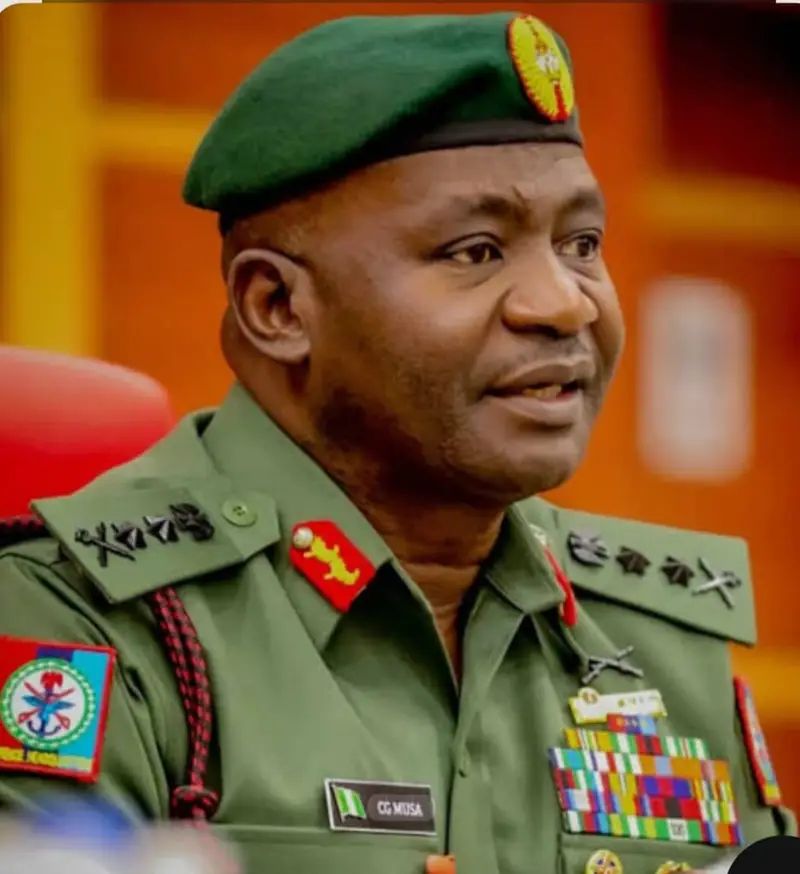
The Defence Minister, Christopher Musa, has accused former Kaduna State Governor Nasir El-Rufai of leaving behind deep social and regional fractures in Kaduna, alleging that policies and actions during his administration worsened mistrust among communities.
Musa made the allegation in an interview with Channels Television, where he claimed that residents became increasingly separated along regional lines during El-Rufai’s tenure. He alleged that some people from southern Kaduna were unable to live freely in parts of the north, while others relocated in the opposite direction.
According to the minister, the situation went beyond ordinary political disagreements, creating grievances that have continued to affect relationships among communities in the state.
Musa contrasted the situation with the administration of Governor Uba Sani, whom he credited with attempting to rebuild confidence and restore freedom of movement across Kaduna. He acknowledged that the reconciliation effort was still a work in progress but described the current atmosphere as a “breath of fresh air.”
The Defence Minister also took issue with El-Rufai’s approach to insecurity, particularly allegations surrounding the payment of bandits. He said the former governor had publicly discussed payments made to criminal elements as part of efforts to manage the security situation.
Musa further alleged that El-Rufai sometimes deployed the powers of his office against people with whom he had personal disagreements, including the demolition of properties. He said such actions contributed to the perception of division and injustice during the former governor’s tenure.
Despite his criticisms, Musa said he did not regard El-Rufai as an enemy, describing him instead as “misguided.” He also rejected the suggestion that his comments were motivated by his Kaduna background, insisting that his concern was rooted in the broader interest of Nigeria.
The minister consequently appealed to political leaders to place national cohesion above ethnic, regional and religious considerations. He urged Nigerians to support leaders who would reduce divisions, strengthen trust among communities and use political power to unite rather than further fragment the country.