Idara Jerome, Uyo
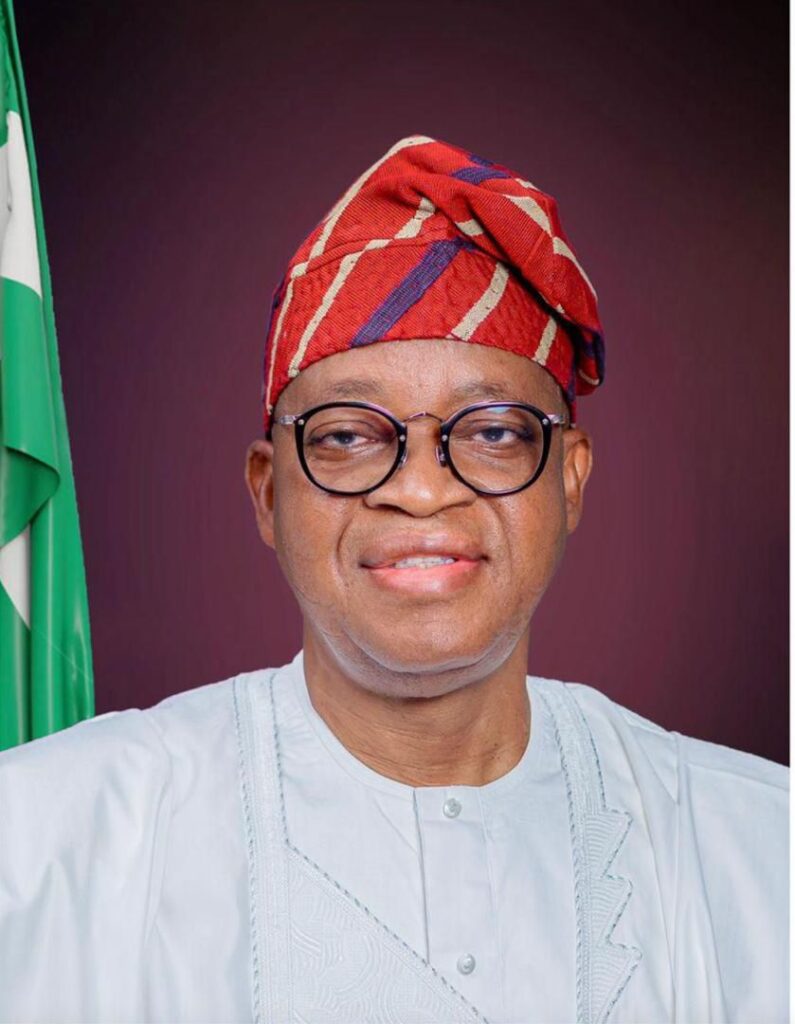
The governorship candidate of the African Democratic Congress (ADC) in Akwa Ibom State, Senator John James Akpanuodehe, has pledged to establish a fourth tier of government in the state’s 2,664 villages to promote grassroots development, improve security and give communities greater access to governance.
Akpanuodehe said the proposed village-level administration would receive monthly imprest to address local needs, support infrastructure maintenance and strengthen accountability.
The pledge is contained in his 2027–2031 governorship manifesto, titled “Rich Land, Poor People,” which outlines an eight-pillar development agenda aimed at tackling poverty and promoting shared prosperity in the state.
The former senator also proposed the establishment of 10 strategic development centres, one in each federal constituency, to drive balanced development, infrastructure delivery, skills acquisition and economic opportunities.
As part of the grassroots development plan, he promised to construct 1.5-kilometre access roads into local government secretariats, in collaboration with the councils, alongside the provision of essential administrative facilities.
Akpanuodehe said his administration would also restructure Uyo capital city through the creation of five urban districts covering high- and low-density areas, with proper master planning, modern sewage systems and improved environmental sanitation.
On economic empowerment, the ADC candidate pledged to inject ₦100 billion into the state’s economy within his first 100 days in office to provide accessible financing for entrepreneurs, farmers, artisans, women and youths.
He said the intervention would include collateral-free microloans and a credit guarantee scheme, with beneficiary lists published to ensure transparency and prevent political discrimination.
“Our priority is to invest directly in our people because a prosperous Akwa Ibom State begins with an economically empowered population,” he said.
The manifesto also promises free and compulsory education from primary to secondary school, bursaries for students in higher institutions and the upgrading of public school infrastructure.
Akpanuodehe said eligible faith-based institutions willing to return to their original owners would be restored, while government partnership with such institutions would continue. He also pledged to reintroduce grants-in-aid to government-approved faith-based schools.
On employment, he promised to reserve at least 25 per cent of government appointments for youths and women, while expanding apprenticeship programmes, youth farm estates and practical, digital and technical skills training.
The ADC candidate further pledged to establish six major manufacturing industrial clusters, revitalise the Ibom Science Park, upgrade aviation maintenance facilities and complete the Ibaka Deep Seaport project in line with the party’s presidential manifesto.
He also promised to establish and modernise basic healthcare facilities in every ward and provide affordable health insurance coverage for residents, including affordable medical services for the elderly.
On infrastructure, Akpanuodehe pledged to improve electricity, roads, drainage, flood control and affordable housing, while providing free solar-powered streetlights and household solar solutions in rural communities within four years.
He said his administration would establish water treatment plants across 10 development centres, leveraging the Atlantic Ocean to provide clean and safe drinking water before extending the supply to other local government areas.
The manifesto further promises improved agricultural extension services, mechanisation, seedlings, storage, processing and market access, alongside financial support for fishermen and rice farmers in Ini and other areas with rice production potential.
Akpanuodehe also pledged to improve civil service welfare through staff training, digital service delivery, housing and car loans, as well as educational support for at least four children of every government worker, from nursery to tertiary education.
He said the proposed administration would operate an open-book system, strengthen community participation in security, improve waste management and coastal protection, and establish a diaspora desk to promote inclusion.
The manifesto describes the agenda as a plan to create “a greater Akwa Ibom where opportunity reaches every community and progress benefits every citizen.”