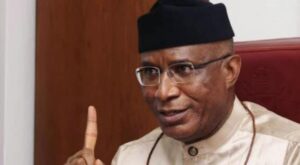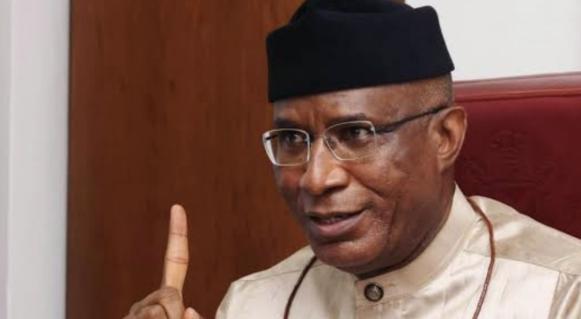
Former Deputy Senate President Ovie Omo-Agege has issued a violent warning against alleged electoral manipulation ahead of Nigeria’s 2027 general elections, declaring that those caught rigging the polls would face retaliation rather than legal proceedings.
Omo-Agege, who is seeking to reclaim the Delta Central Senatorial District seat under the Nigeria Democratic Congress (NDC), made the remarks while addressing supporters at a political gathering.
The former lawmaker reportedly threatened to kill anyone involved in rigging the election, insisting that he and his supporters would not tolerate any attempt to manipulate the outcome of the polls.
He also argued that electoral fraud would amount to stealing the future of Nigerians and their children, warning that those responsible should expect a direct confrontation.
“There’s no court this time,” Omo-Agege said, according to the report, adding that his camp was prepared to fight anyone attempting to subvert the electoral process.
His comments come as political activities gather momentum ahead of the 2027 elections, with parties and aspirants positioning themselves for contests across the country.
Omo-Agege previously contested the Delta State governorship election on the platform of the All Progressives Congress (APC), but lost to Sheriff Oborevwori, then the Peoples Democratic Party (PDP) candidate.
Oborevwori has since defected to the APC and is seeking re-election. Following the governor’s move, Omo-Agege also pursued a return to the Senate through the APC but failed to secure the party’s ticket, which went to incumbent senator David Dafinone.
The political development prompted Omo-Agege to move to the NDC, where he is now challenging Dafinone for the Delta Central seat. In May, he announced his defection, describing the new party as a platform through which he could advance the interests of Delta Central, Delta State and Nigeria.
His latest remarks have placed electoral violence and the credibility of the 2027 polls back in focus, as the country approaches another major election cycle. Threats against political opponents or electoral officials raise concerns about peaceful participation and the need for lawful mechanisms to resolve election disputes.