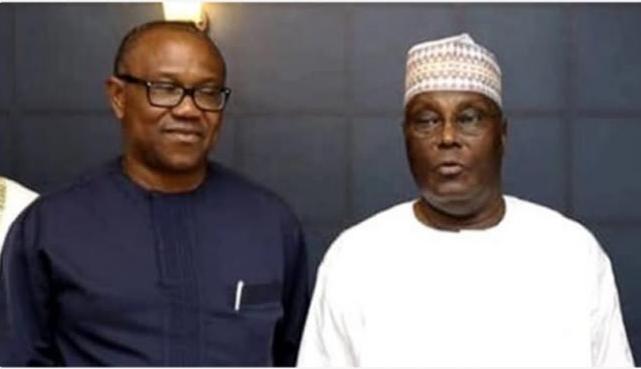
From restoring fuel subsidy to restructuring presidential elections and adopting a more aggressive security strategy, Nigeria’s leading opposition presidential contenders are presenting sharply different prescriptions for rescuing the country ahead of the 2027 general elections.
The proposals by Peter Obi, Atiku Abubakar and Seyi Makinde reveal competing approaches to Nigeria’s economic recovery, political stability and institutional reform, with each candidate seeking to convince voters that a change of leadership would produce a different national direction.
Makinde, the presidential candidate of the Allied Peoples Movement (APM), is proposing a fundamental alteration of the country’s electoral structure, including a requirement that presidential candidates secure at least 50 per cent plus one vote to win the presidency.
The Oyo State governor argued that the proposed threshold would discourage divisive electoral strategies and compel candidates to build broader political alliances across Nigeria’s ethnic, religious and regional divides.
Unveiling his proposed Reset Agenda during an engagement with political stakeholders, Makinde also advocated a transitional government of national unity, describing national reconciliation, institutional accountability, economic growth and poverty reduction as essential to rebuilding the country.
He maintained that economic reforms should be measured by their impact on household incomes, employment and the cost of living rather than improvements in macroeconomic indicators alone.
“Macroeconomic stability must have a direct impact on the people through job creation, improved incomes and a lower cost of living,” he said.
Obi, presidential candidate of the Nigeria Democratic Congress (NDC), is placing greater emphasis on national cohesion, security and the management of public resources.
Speaking during a town hall engagement in Calabar, Cross River State, the former Anambra governor argued that Nigeria’s divisions were weakening its capacity to confront insecurity and other national challenges.
He promised a more aggressive response to kidnapping, particularly the abduction of schoolchildren, warning that criminal elements would be pursued into their hideouts.
“Anybody who kidnaps schoolchildren and goes into the bush, we will be in that bush with him, wherever it is. We are not scared of him,” Obi declared.
He also promised to confront corruption and ensure that public funds were deployed towards citizens’ welfare rather than private enrichment.
Atiku Abubakar, the African Democratic Congress (ADC) presidential candidate, is advancing a different economic proposition, promising to restore fuel subsidy and reopen Nigeria’s land borders for legitimate commercial activities.
Addressing supporters during the party’s presidential campaign flag-off in Sokoto, the former vice president accused the All Progressives Congress-led administration of worsening economic hardship through policies he described as anti-people.
He promised to prioritise economic recovery, national security and improved living conditions if elected, urging Nigerians to support the ADC and protect their votes during the forthcoming elections.
Atiku also used the rally to criticise the alleged restrictions placed on the opposition’s political activities in Sokoto, accusing the state government of frustrating the ADC’s access to campaign venues and hotel accommodation.
Former Sokoto State governor and ADC leader, Aminu Tambuwal, similarly accused the APC-led administration in the state of attempting to undermine the party’s campaign activities.
The different proposals have opened an early debate over the policy direction Nigeria could take under a new administration, particularly on whether the country’s problems require fundamental constitutional changes, stronger enforcement of existing institutions or a reversal of controversial economic policies.
National Chairman of the Social Democratic Party, Yusuf Dantalle, meanwhile, described Makinde as a prominent opposition figure, commending his contributions to democratic development and efforts to promote cooperation among opposition parties.
With the 2027 elections approaching, the emerging contest is increasingly taking shape around competing visions of governance, economic management, security and the constitutional foundations of Nigeria’s democracy.
Guardian