
Akwa Ibom State is seeking to revive its industrial base through a proposed $122 million investment in the St. Gabriel’s Coconut Factory, alongside fresh investments in gas and fertiliser production.
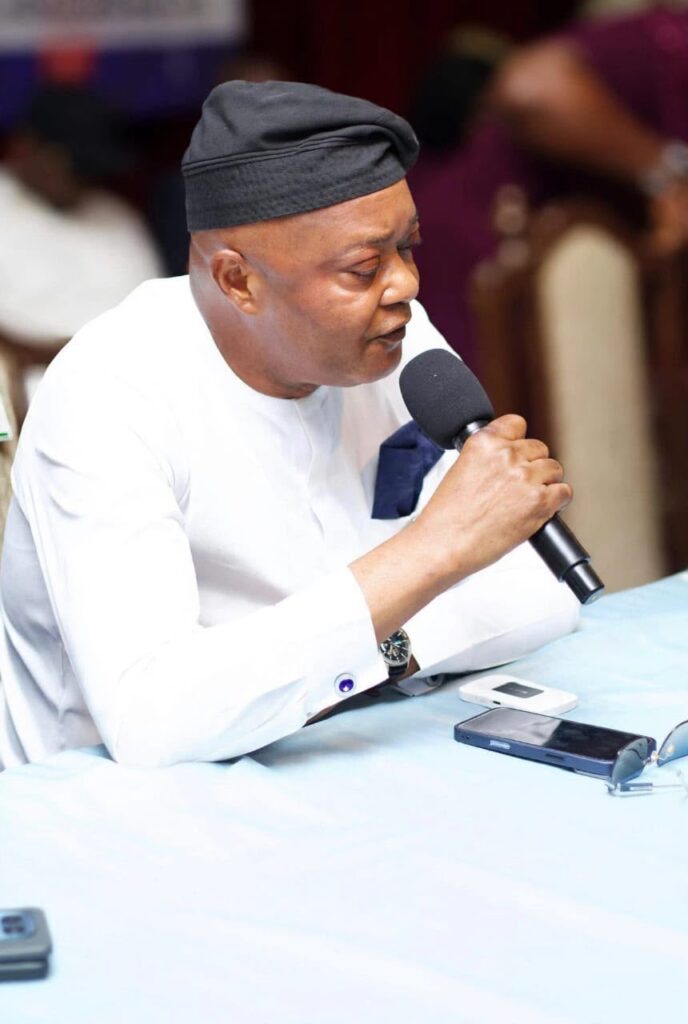
The proposed investment, which is expected to bring the moribund coconut processing facility back to operation and expand its production capacity, was disclosed on Tuesday by the Managing Director of Akwa Ibom Investment Corporation (AKICORP), Pastor Imo-Abasi Jacob Snr, during a budget and performance review at Government House, Uyo.
Jacob said the investment proposal forms part of efforts to attract private capital into strategic sectors of the state’s economy, create employment and expand its industrial capacity.
He also identified the proposed Ibom LNG and Logistics Hub and the ammonia fertiliser plant in Ikot Abasi as major projects that could strengthen the state’s participation in the energy and manufacturing sectors.
According to him, Akwa Ibom has secured a five per cent equity stake in the proposed LNG and logistics project.
The AKICORP managing director also reported a significant increase in the corporation’s investment portfolio, which rose from N17 billion in 2025 to N47.2 billion, while dividend earnings from its investments reached approximately N500 million in 2026.
He attributed the returns largely to investments in Champion Breweries and Ibom Tropicana.
The investment outlook was presented alongside the state’s fiscal performance, with the Commissioner for Budget and Economic Planning, Dr. Nsikan Linus Nkan, disclosing that the 2025 budget recorded 84.4 per cent implementation, while the 2026 budget achieved 64.6 per cent performance between January and September.
Nkan also highlighted the impact of the World Bank-supported Akwa Ibom COVID-19 Action Recovery and Economic Stimulus (AK-CARES) programme, which has provided financial and livelihood support to vulnerable residents and small business operators.
He said 16,950 vulnerable persons received N10,000 cash transfers, while another 15,660 beneficiaries received monthly payments of the same amount under the Labour-Intensive Public Workfare scheme.
An additional 10,408 persons received livelihood grants, while 3,562 small and medium-scale enterprise operators benefited from business grants.
In the agricultural sector, 12,309 residents received agricultural assets, while 76 rural roads were rehabilitated and 28 wet markets upgraded to improve rural economic activities.
The commissioner added that 118 community micro-projects had also been completed across the state at a cost of N103.28 million.
The disclosures point to a broader economic strategy combining private-sector investment, industrial revival and grassroots economic interventions, with the proposed coconut factory investment emerging as one of the major projects expected to drive employment and productive activities in the state.