The Akwa Ibom State House of Assembly has called for the installation of a modern waste recycling plant at the state-owned abattoir, warning that the accumulation of animal waste could create environmental and public health concerns instead of serving useful agricultural purposes.
The Assembly’s Committee on Nutrition and Food Security said animal by-products generated at the facility could be converted into organic fertiliser and livestock feed if properly processed, rather than being left to accumulate pending evacuation.
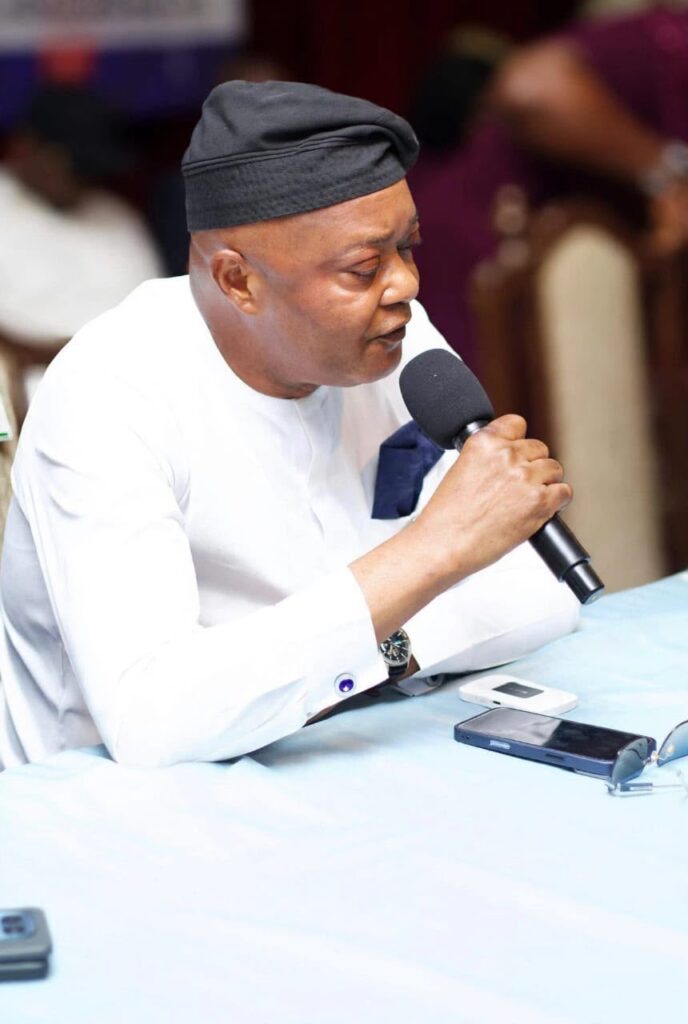
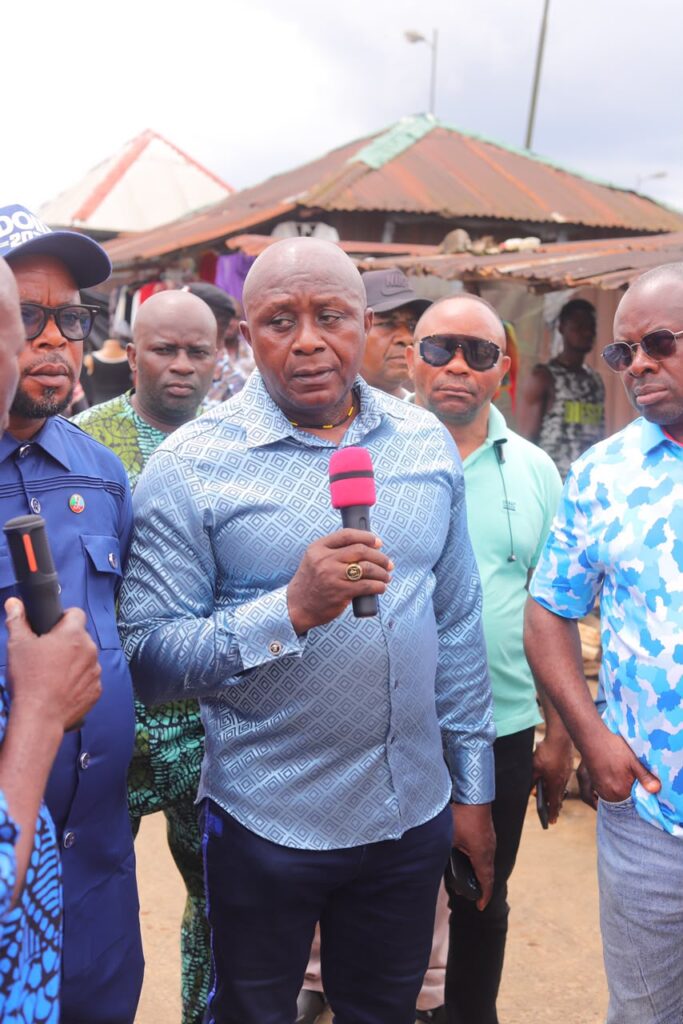
The committee chairman, Hon. Moses Essien, made the call during an oversight visit to the abattoir, where he expressed concern over the sanitary conditions and existing waste management arrangements.
Essien, who represents Ibiono Ibom State Constituency, urged the Commissioner for Agriculture, Dr. Offiong Offor, to present a memorandum to Governor Umo Eno for the installation of modern recycling equipment to transform animal waste into useful agricultural resources.
He explained that animal manure could be processed into organic fertiliser for crop production, while blood and other by-products could serve as raw materials for producing feed for poultry and fish farming.
The lawmaker also recommended the establishment of a management committee to address operational challenges at the facility and called for the regular presence of veterinary doctors to inspect livestock before slaughter.
He said the condition of the abattoir was important to food security and public health, stressing that poor sanitation and inadequate meat inspection could expose consumers to food-related illnesses.
Responding, the Commissioner for Agriculture, Offor, said the facility operated established sanitation and meat inspection procedures but acknowledged that some areas required improvement.
She attributed the accumulation of animal waste partly to the high cost of diesel, explaining that waste evacuation trucks did not necessarily visit the facility daily because of the cost of operation.
According to her, waste sometimes remained at the abattoir for a few days before evacuation, while the ministry continued to collaborate with the Akwa Ibom State Environmental Protection and Waste Management Agency (AKSEPWMA) to improve disposal arrangements.
On meat safety, Offor disclosed that veterinary doctors visited the facility every morning to examine livestock and determine their health conditions before slaughter.
She added that the ministry was taking steps to check sharp practices among some operators, maintaining that the abattoir remained committed to supplying wholesome meat to the public.
Although acknowledging the need for improvements, the commissioner maintained that the facility compared favourably with similar abattoirs elsewhere.
The committee also expressed concern over alleged repeated road levies imposed on traders by unidentified task force officers, warning that such charges could increase the cost of food items and undermine efforts to make food affordable.
The concerns were raised during a separate engagement with the Akwa Ibom State Traders Association at Etaha Itam Market in Itu Local Government Area.
The member representing Esit Eket/Ibeno State Constituency, Hon. Udobia Udo, described the oversight visit as an assessment exercise designed to obtain first-hand information and develop a checklist for subsequent monitoring of the facility.
He said the information gathered would guide the committee’s engagement with the Ministry of Agriculture on measures to address identified challenges and strengthen food security.
Also speaking, the Senior Special Assistant to the Governor on Trade, Akparawa Idorenyin Raphael, proposed a joint committee involving the Ministry of Agriculture, butchers and traders to improve coordination and management of the abattoir.
He also appealed for the completion of tarred roads and installation of streetlights in markets across the state to improve trading conditions.
Raphael commended Governor Eno for providing ₦2 billion to 3,496 traders, with an additional ₦5 billion reportedly promised.
Earlier, the Chairman of the Abattoir, Elder Bassey Usungurua, outlined the facility’s operational structure and listed the slaughterhouse, slaughter slab, sanitation reservoir and waste evacuation truck among its available facilities.
He appreciated the state government for supporting waste evacuation through the Ministry of Agriculture and AKSEPWMA, while confirming that veterinary doctors visited the facility every morning to inspect animals before slaughter.
The Chairman of the Hausa Community at the abattoir, Mohammed Mijinyawa, described relations between members of his community and their Akwa Ibom hosts as cordial and expressed appreciation for the cooperation they enjoyed.