The future of aviation in Akwa Ibom State is being shaped by a vision that goes beyond international terminals, passenger flights and modern airport infrastructure. At the heart of this vision is the proposed Maintenance, Repair and Overhaul (MRO) facility at Victor Attah International Airport, a strategic investment with the potential to transform the state’s economy, strengthen Nigeria’s aviation industry and contribute to the growth of aviation across Africa.
Under Governor Umo Bassey Eno, PhD, the ARISE Agenda is increasingly taking shape as a development framework that connects infrastructure with economic opportunity. The MRO project represents an important dimension of this strategy because it offers the prospect of turning Akwa Ibom from a destination for air travellers into a centre for aviation services, technical expertise and investment.
The significance of such a facility cannot be overstated.
Aircraft maintenance is one of the most technically demanding and financially significant aspects of the aviation industry. Airlines must regularly inspect, maintain, repair and overhaul their aircraft to meet stringent safety requirements and maintain operational efficiency.
However, the availability of suitable maintenance facilities remains a major consideration for African airlines. Where the required services are unavailable locally or regionally, operators may have to send aircraft abroad for specialised maintenance, incurring additional costs associated with transportation, foreign exchange, downtime and international service contracts.
A properly developed and internationally certified MRO facility in Akwa Ibom could help address some of these challenges.
By providing maintenance services closer to home, the facility could reduce the distance aircraft travel for eligible maintenance work, improve turnaround times and retain a greater share of aviation expenditure within Nigeria and the African continent.
For Nigerian airlines, this presents an opportunity to access more domestic technical services. For other African operators, Victor Attah International Airport could eventually become a competitive destination for aircraft maintenance, depending on the facility’s capabilities, pricing, regulatory approvals and operational partnerships.
The broader economic significance lies in developing local capacity in an industry where technical expertise, specialised equipment and regulatory compliance are essential.
One of the most compelling benefits of an MRO facility is its potential to generate skilled employment.
Unlike airport activities that primarily support passenger movement, aircraft maintenance requires a specialised workforce comprising licensed aircraft maintenance engineers, technicians, avionics specialists, quality assurance personnel, safety professionals and technical support staff.
The establishment of such a facility could create opportunities for qualified Nigerian professionals while opening new pathways for young people interested in aviation engineering and related technical disciplines.
Its economic benefits would also extend beyond direct employment.
Businesses supplying aircraft components, engineering tools, safety equipment, logistics, catering, accommodation and other support services could benefit from increased commercial activity. Hotels, restaurants, transport operators and other service providers could experience additional demand as airline personnel, engineers, contractors and international clients visit Akwa Ibom.
This is how a strategic infrastructure project can generate economic activity beyond its immediate location.
For Akwa Ibom’s young population, the MRO project offers the prospect of connecting education, technical training and professional employment to a global industry. With appropriate training partnerships and industry certification pathways, the state could strengthen its contribution to Nigeria’s aviation workforce.
The economic value of the MRO facility also lies in its potential to diversify Akwa Ibom’s revenue base.
The state government has reported generating ₦3.32 billion from the aviation sector between 2023 and September 2026. This figure demonstrates the growing fiscal relevance of aviation-related activities within the state’s development strategy.
The proposed MRO facility offers an opportunity to expand that economic base through aircraft maintenance contracts, facility leases, technical services and related commercial activities.
Its contribution would not be limited to direct government revenue. Increased employment, business expansion and investment could stimulate wider economic activity, while the growth of aviation-related enterprises could create additional taxable economic value within the applicable fiscal framework.
The facility could also attract private investors, aircraft maintenance companies, technical partners and aviation service providers seeking access to Nigeria and the wider West and Central African markets.
Realising this potential will depend on a commercially viable operating model, an experienced technical operator, internationally recognised certifications, reliable infrastructure and the ability to attract a sustainable volume of maintenance business.
Importantly, the Akwa Ibom Government has acknowledged that securing a suitable operator is a key step in advancing the project following technical inspections and recommendations on the adaptations required.
This approach recognises that major aviation infrastructure must be supported by operational expertise and sound commercial arrangements to deliver its full economic value.
Nigeria’s population, commercial activities and geographic position offer opportunities for a stronger aviation services industry. Yet the development of a competitive aviation ecosystem requires more than passenger terminals and aircraft operating routes.
It requires maintenance infrastructure, technical personnel, training institutions, aviation logistics, reliable airport services and an environment that attracts private investment.
An operational MRO facility at Victor Attah International Airport could contribute to this wider national ambition.
Its location could offer opportunities to serve eligible maintenance needs from Nigeria and neighbouring African markets, subject to technical capacity, regulatory approvals and commercial demand. Such regional participation would strengthen the case for investment while creating opportunities for the transfer of technical knowledge and professional expertise.
The long-term vision could include partnerships with international aircraft maintenance companies, technical training institutions and aviation equipment suppliers.
These partnerships could deepen local skills, improve technical standards and provide pathways for Nigerian professionals to participate more extensively in the global aviation industry.
For Africa, the importance of such developments lies in building regional capacity rather than depending exclusively on services available outside the continent. Each competitive maintenance centre adds to the continent’s ability to support its airlines, retain specialised expertise and expand aviation-related industrial activity.
Akwa Ibom has an opportunity to contribute to this transformation.
The MRO initiative is particularly significant because it forms part of a broader aviation development vision under Governor Umo Eno.
The administration’s strategy extends beyond the construction of an international terminal to the development of an integrated aviation ecosystem encompassing airport infrastructure, route development, aircraft maintenance, commercial services, cargo opportunities and human-capacity development.
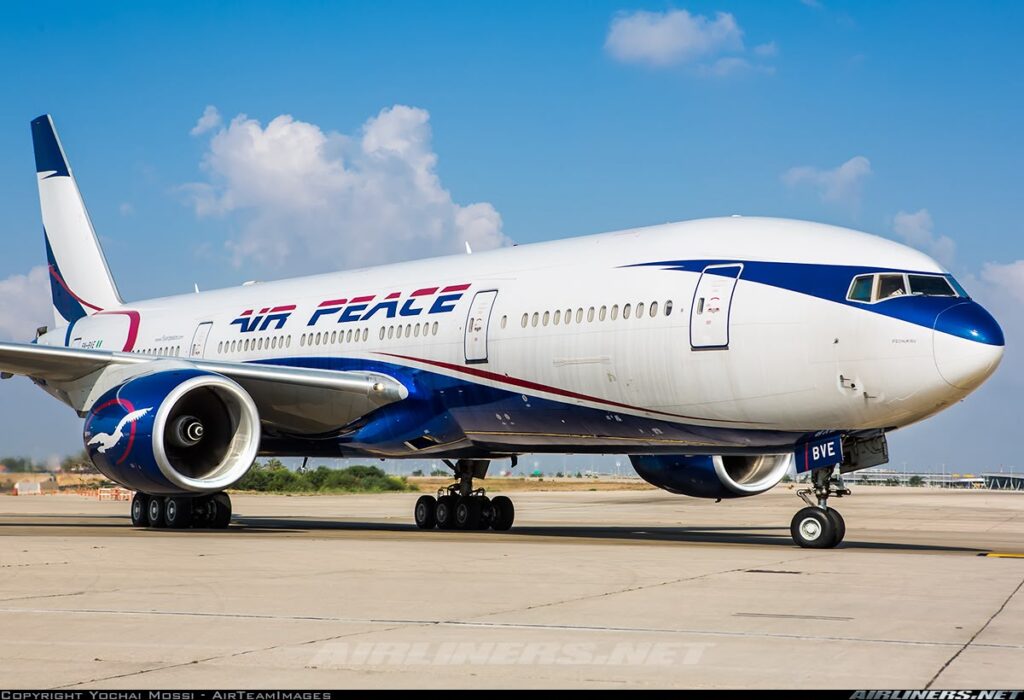
The resumption of international connectivity through Ibom Air’s Accra route and the announced commencement of Air Peace operations at Victor Attah International Airport on October 23, 2026, reflect the expanding commercial relevance of the airport.
Supporting infrastructure, including the aircraft apron, airfield lighting, access road and drainage facilities, as well as the 14.1-kilometre operational security fence, contributes to the environment required for safe and efficient airport operations.
Commercial development is equally important. Retail outlets, restaurants, passenger lounges, advertising and other airport services can provide additional income streams while creating opportunities for local enterprises.
The MRO facility would complement these developments by introducing another specialised economic activity into the airport’s ecosystem.
This is consistent with the broader philosophy of the ARISE Agenda: infrastructure as a platform for economic development, employment, enterprise and improved livelihoods.
The value of a modern airport is therefore not measured solely by the number of passengers passing through its terminal. It is also reflected in the businesses it attracts, the skills it develops, the investments it supports and the economic opportunities it creates.
Major economic projects require vision, institutional coordination, investor confidence and sustained implementation. Aviation infrastructure, in particular, involves significant technical requirements, long-term planning and commercial partnerships.
Governor Umo Eno’s first-term aviation initiatives have established an important foundation for the state’s ambition to become a more significant player in the aviation economy.
The next stage is to translate this foundation into fully operational facilities, stronger commercial performance and measurable economic benefits for the people.
A second term would provide an opportunity to sustain the administration’s development direction and advance projects whose full benefits may extend beyond a single political cycle.
The argument for a second term is therefore closely connected to the economic prospects of the ARISE Agenda, including the development of aviation infrastructure, tourism, hospitality, commercial services and the proposed Ibom Deep Seaport and Industrial City.
These initiatives represent different components of a broader economic vision in which transportation infrastructure supports commerce, investment and employment.
The MRO facility illustrates this connection particularly well. Its potential benefits depend not simply on the physical construction of a facility but on securing an experienced operator, meeting international standards, attracting customers and developing a qualified workforce.
These are important milestones in the journey from infrastructure development to sustainable economic value.
For Pastor Umo Bassey Eno, the case rests on the opportunity to build upon the foundations already established and pursue the economic possibilities that remain ahead.
Akwa Ibom’s aviation ambition is part of a larger effort to expand the state’s economic opportunities and reduce dependence on a narrow range of economic activities.
The MRO facility offers a compelling example of how infrastructure can become an instrument of industrial development. Its potential extends from aircraft maintenance to skilled employment, technical education, private investment, hospitality, logistics and regional aviation services.
The benefits will depend on effective execution, commercial viability and compliance with aviation safety and certification requirements. Nevertheless, the opportunity is significant.
For Nigeria, it presents a pathway towards strengthening domestic aviation services. For Africa, it offers the prospect of additional regional maintenance capacity. For Akwa Ibom, it could become a catalyst for skilled employment, investment and economic diversification.
Under the ARISE Agenda, the ambition is to ensure that infrastructure serves a purpose beyond its physical presence. Roads connect communities and markets; airports connect people and economies; and specialised aviation facilities can connect technical knowledge, investment and industrial opportunity.
Governor Umo Bassey Eno’s aviation development programme places Akwa Ibom within this wider conversation about economic transformation.
As the state looks towards the next phase of its development, the MRO project stands out as an initiative with the potential to deliver benefits far beyond the airport fence.
The ultimate measure of its success will be its capacity to attract investment, create jobs, retain technical expertise and establish Akwa Ibom as a credible participant in Nigeria’s and Africa’s aviation economy.
The runway may connect Akwa Ibom to the world, but the MRO facility could help connect the state’s people to the skills, industries and economic opportunities that will shape the future.
#UmoEnoBetterDaysAreHere #ARISEAgenda2 #CampaignWithEvidence #AkwaIbomAviation #AfricanAviation #EconomicDiversification
Daniel, SA to the Governor on Media
Writes from Uyo, Akwa Ibom State
providencemaga@yahoo.com