The Cross River State House of Assembly has moved to tighten regulations on the scrap metal business as part of efforts to tackle the growing problem of vandalism, theft of public infrastructure and illegal activities across the state.
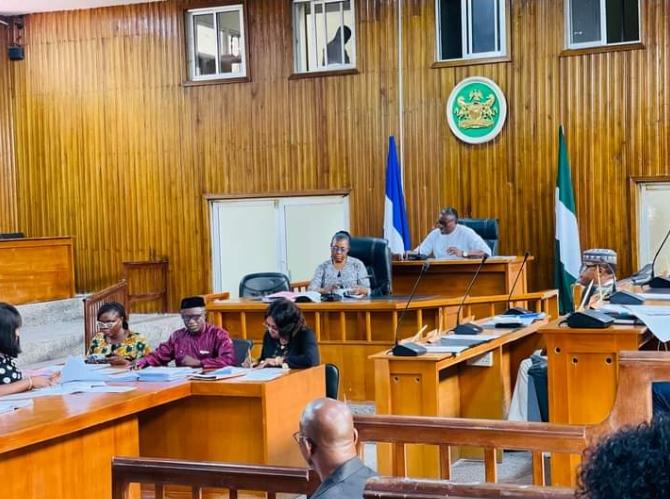
The proposed legislation, sponsored by the member representing Calabar Municipal, Hon. Stanley Nsemo, has passed its second reading on the floor of the Assembly.
The bill seeks to repeal the existing Scrap Regulatory Agency Law No. 5 of 2017 and introduce a revised legal framework that will strengthen oversight of scrap dealers and scavengers operating in Cross River State.
Presenting the proposal during plenary, Nsemo argued that the current law contains loopholes that have made it difficult to effectively monitor the industry. He said the proposed legislation would introduce compulsory licensing, establish operational guidelines and enforce safety standards for handling potentially dangerous scrap materials.
He also warned that the activities of unregulated operators have contributed to environmental damage, security concerns and revenue losses for the state.
Several lawmakers who contributed to the debate backed the proposal, noting that the absence of proper regulation has encouraged the theft and destruction of public infrastructure, including manhole covers, electricity transformers and streetlights.
They maintained that registering and profiling scrap dealers would make it easier for security agencies and government authorities to identify legitimate operators and expose individuals using the business as a cover for criminal activities.
Speaker of the House, Rt. Hon. Elvert Ayambem, also expressed concern over the activities of scavengers, insisting that the state needs a stronger monitoring system to bring their operations under control.
Ayambem called for mandatory registration of scrap dealers and scavengers, alongside stricter penalties, including imprisonment for anyone found guilty of vandalism, theft or the illegal handling of hazardous materials.
Following deliberations, lawmakers approved the bill for second reading through a voice vote and forwarded it to the House Committee on Environment for further legislative consideration and a public hearing.