Nigeria’s preparedness for a possible Ebola outbreak has come under renewed scrutiny, with the Senate demanding the immediate release of emergency funds to strengthen disease surveillance, airport screening and treatment facilities before the virus can gain a foothold in the country.
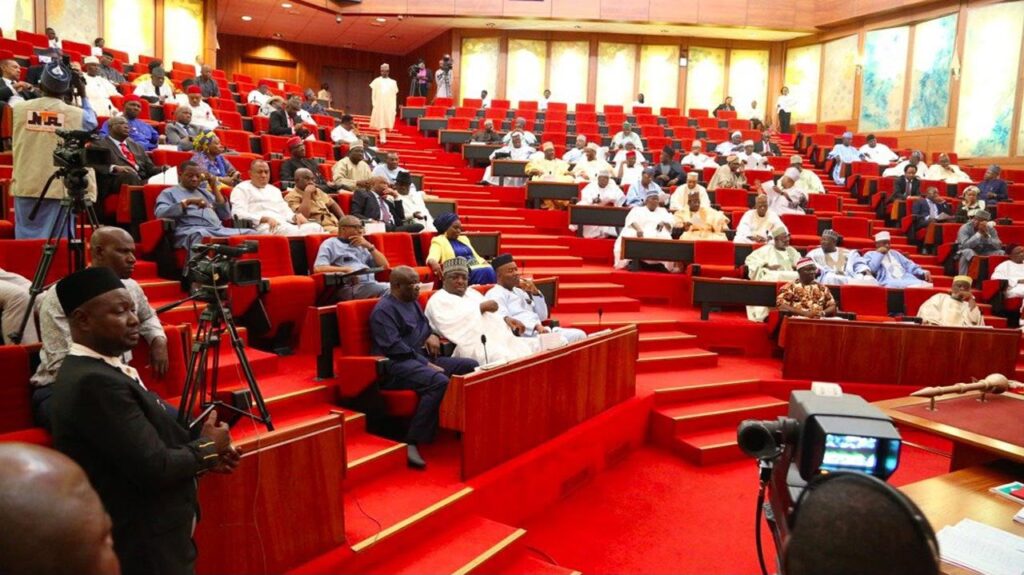
The Senate on Wednesday urged the Federal Government to draw emergency funding from the Service Wide Votes, warning that waiting for fresh budgetary provisions could undermine efforts to prevent the importation and spread of the deadly disease.
The resolution followed a motion of urgent national importance sponsored by Senator Francis Faduyile, who raised concerns about possible gaps in health screening at Nigeria’s international airports and other points of entry.
The lawmakers called for immediate funding for the Nigeria Centre for Disease Control and Prevention (NCDC) and Port Health Services to strengthen surveillance and ensure that suspected cases could be identified and managed promptly.
Senator Adamu Aliero argued that Nigeria could not afford to wait for the preparation and approval of a supplementary budget before taking preventive action, a position that gained the support of the Senate.
The debate also exposed questions over the status of an alleged ₦10 billion Ebola response allocation said to have received presidential approval. While Senator Ali Ndume urged the government to release funds already approved by President Bola Tinubu, other lawmakers insisted that emergency resources must be made available without delay.
The Senate consequently urged the executive to provide the necessary funding immediately through the Service Wide Votes.
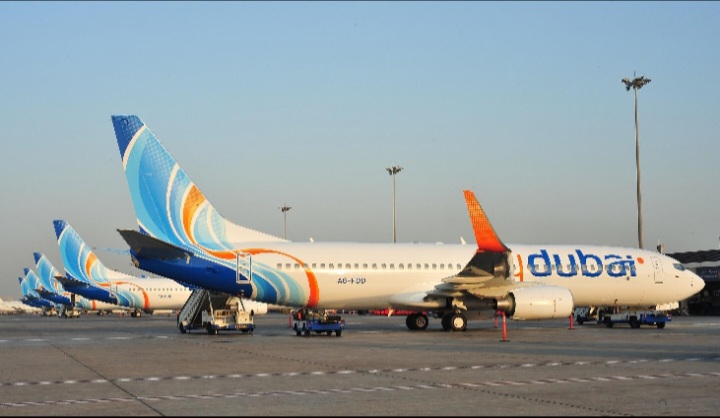
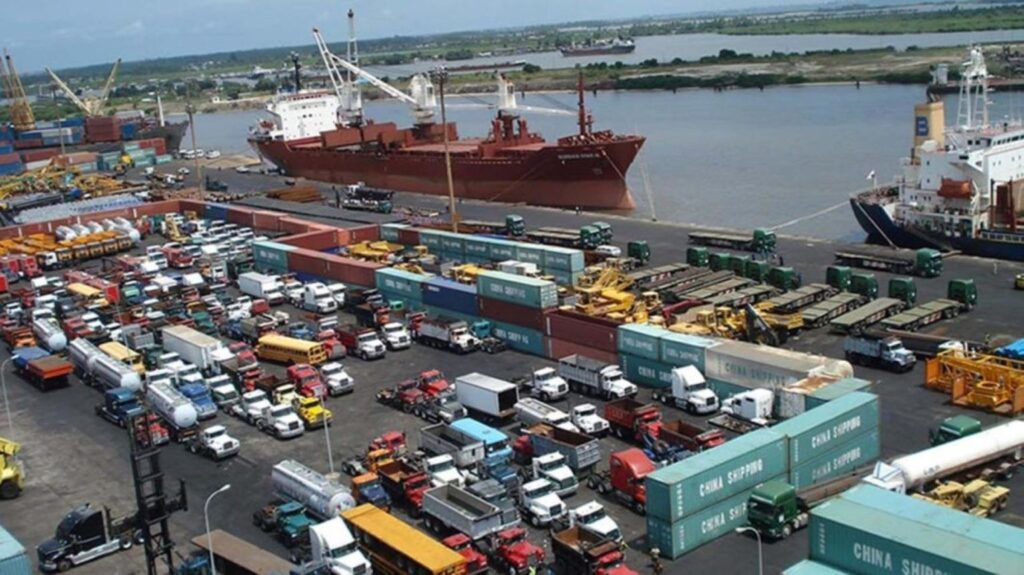
Beyond financing, the lawmakers called for compulsory health screening of all international passengers arriving through airports, seaports and designated land borders, irrespective of nationality or country of departure.
The proposed measures include health declaration forms, temperature checks and symptom screening, with enhanced monitoring of travellers who have visited or transited through affected areas within the preceding 21 days.
The Senate also called for trained Port Health officers, thermal scanners, protective equipment and isolation rooms at entry points, alongside adequate readiness of isolation and treatment centres across the 36 states and the Federal Capital Territory.
Senator Faduyile, a professor of medicine and former president of the Nigerian Medical Association, warned that an imported Ebola case could lead to wider transmission if surveillance and emergency response systems were not strengthened.
He recalled Nigeria’s experience during the 2014 Ebola outbreak, when an infected traveller arrived in Lagos, stressing the importance of preventing a repeat through early detection and coordinated action.
Contributing to the debate, Senator Ekong Sampson described the threat as a serious public health challenge requiring an urgent national response.
“There is a strong case for us to be alive to our responsibilities that we have to respond with every urgency that this health challenge deserves,” Sampson said.
He warned that infectious diseases could spread rapidly and cause widespread damage if preventive measures were not implemented promptly.
Senator Sadiq Umar also called for coordinated action among relevant government agencies, while Senator Mohammed Monguno urged the National Assembly to replace the Quarantine Act of 1926 with a modern public health law aligned with contemporary realities and the International Health Regulations of 2005.
Senate President Godswill Akpabio expressed concern over reports that a traveller arriving from Kenya had passed through an airport without temperature checks or other screening procedures.
Akpabio argued that screening should cover all arriving international passengers rather than being limited to travellers from countries officially designated as areas of concern, noting that infected persons could transit through other countries.
The Senate also urged improved hygiene measures in public institutions and other crowded locations, including the provision of handwashing facilities and sanitiser dispensers.
However, lawmakers rejected a proposal for an on-site visit to key points of entry. Instead, relevant committees on Health, Primary Healthcare and Disease Control, Aviation, Interior and Appropriations were directed to liaise with relevant agencies and report back within four weeks, while the Committee on Legislative Compliance is to monitor implementation of the resolutions.
The Senate’s intervention comes amid concerns over Nigeria’s vulnerability to imported infectious diseases, with lawmakers warning that adequate funding, effective border surveillance and a modern legal framework are essential to preventing another Ebola emergency.
The reported presidential approval of ₦10 billion for the response was not independently confirmed in the account of the Senate proceedings, and the lawmakers’ resolution does not by itself establish that the funds have been released.