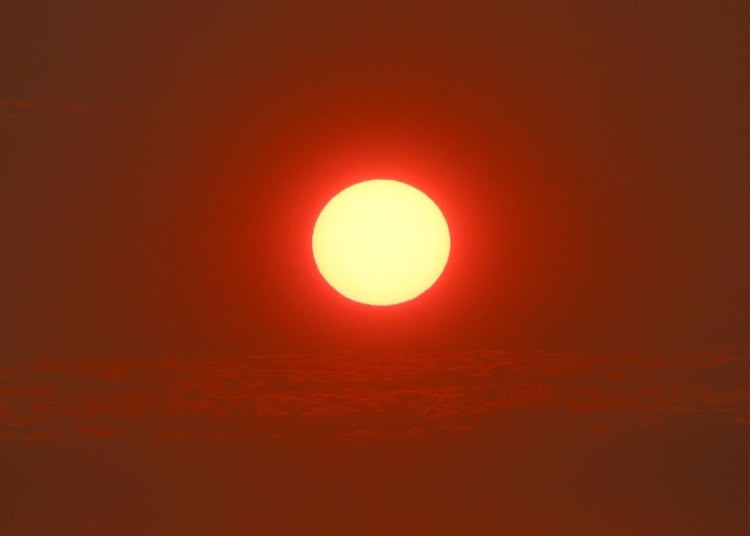
Nigeria could face increased health risks from extreme heat over the next six months, with a new report by the Climate Impact Lab projecting about 31,400 additional deaths linked to heat as the El Niño climate pattern intensifies.
The projection has raised concerns about the possible effects of prolonged high temperatures on Nigerians, particularly outdoor workers, older people, children, farmers and people without reliable access to water or cooling.
The World Meteorological Organisation (WMO) and the United Nations Office for the Coordination of Humanitarian Affairs (OCHA) have also warned of possible climate-related risks, including extreme heat, drought and flooding.
WMO Secretary-General Celeste Saulo said the developing El Niño could reach its peak towards the end of 2026, although the timing and severity of its effects could vary from one region to another.
Here are 10 things Nigerians should know about the weather phenomenon and its possible effects.
1. What exactly is El Niño?
El Niño is a natural climate pattern that develops when parts of the Pacific Ocean become warmer than usual. This warming changes wind patterns and can affect rainfall and temperatures in different parts of the world.
It is not a storm or a disease. Rather, it is a climate event that can increase the chances of certain weather conditions, including unusually high temperatures in some regions.
2. Why are scientists concerned about it?
Scientists are concerned because a strong El Niño can increase the risk of extreme weather conditions in vulnerable parts of the world.
The possible consequences include prolonged heat, dry spells, drought and, in some places, heavy rainfall and flooding.
However, the effects are not the same everywhere, and a strong El Niño does not automatically mean every country will experience all these conditions.
3. Does El Niño happen every year?
No. According to the United States National Oceanic and Atmospheric Administration (NOAA), El Niño occurs, on average, every two to seven years and usually lasts between nine and 12 months.
Its opposite phase is called La Niña, which occurs when parts of the tropical Pacific Ocean become cooler than normal.
4. Could the current El Niño continue into 2027?
Yes. In an update published on September 3, 2026, WMO indicated that El Niño was likely to persist through February 2027, with the possibility of reaching very strong intensity.
Some reports have described the developing event as a “Super El Niño”. However, this is not an official scientific term. WMO uses descriptions such as “very strong El Niño” to explain its expected intensity.
The forecast does not mean every country will experience extreme weather throughout this period.
5. What does extreme heat mean for ordinary Nigerians?
Prolonged high temperatures can make everyday activities more difficult and increase the risk of dehydration, heat exhaustion and potentially life-threatening heatstroke.
People who work under the sun, including farmers, construction workers, traders and road workers, may face greater exposure.
Young children, older people and those without adequate access to water or cool spaces may also be more vulnerable.
Residents should drink water regularly, reduce strenuous outdoor activities during the hottest hours and seek medical help if someone develops confusion, collapses or shows other signs of severe heat illness.
6. Could farmers lose their crops?
Farmers could face difficulties if rainfall becomes irregular or dry spells last longer than expected.
Crops need sufficient water at the right stages of growth. When rain stops for too long, plants can dry out, while unusually high temperatures can increase water loss.
Nigeria’s 2026 Seasonal Climate Prediction, released by the Nigerian Meteorological Agency (NiMet) on February 10, highlighted the possibility of variable rainfall, prolonged dry spells and generally warmer conditions.
Farmers should therefore follow updated local weather and agricultural advisories before making planting decisions.
7. Could food prices increase?
Food prices could come under pressure if extreme weather damages crops, reduces harvests or disrupts the movement of agricultural produce.
For example, if farmers harvest less maize, rice or vegetables, supplies could become tighter in affected markets.
However, higher prices are not guaranteed. Transportation costs, insecurity, exchange rates, storage facilities and other economic factors also influence food prices.
8. Does El Niño mean Nigeria will experience drought everywhere?
No. El Niño affects different parts of the world differently.
Some areas may experience reduced rainfall, while others could receive heavy rain. The outcome depends on the location, season and interaction with other weather systems.
In Nigeria, residents should pay attention to forecasts for their particular states rather than assume that the entire country will experience the same weather conditions.
9. Why is flooding still a concern?
Even when a region experiences hot weather or dry spells, intense rainfall can still cause flooding.
Heavy rain falling within a short period can overwhelm drainage systems, flood roads and homes, and endanger lives.
Nigeria’s flood risks should be assessed using local forecasts and official flood outlooks, including information from the Nigeria Hydrological Services Agency (NIHSA).
Residents in flood-prone communities should avoid walking or driving through floodwater and follow warnings issued by emergency authorities.
10. What can Nigerians do to prepare?
Preparation can reduce the dangers associated with extreme weather.
Residents should follow NiMet weather forecasts and official public advisories, drink enough safe water during hot weather, check on vulnerable neighbours and avoid unnecessary exposure to intense heat.
Farmers should use reliable weather information to guide planting and water management, while communities in flood-prone areas should identify safe routes and prepare to evacuate if authorities issue warnings.
Government agencies also need to use early warnings to prepare health facilities, emergency services and water supplies.
The bottom line
El Niño is a natural climate event, but its effects can become dangerous when extreme weather meets inadequate preparation.
The projected 31,400 additional heat-related deaths in Nigeria is a serious warning, not a confirmed death toll. The actual impact will depend on how temperatures develop, who is exposed and what preventive measures are taken.
For Nigerians, the most important steps are to take heat warnings seriously, follow reliable local forecasts and prepare before extreme weather strikes.