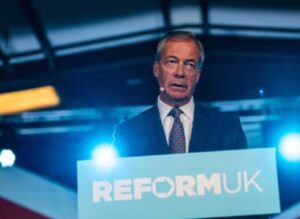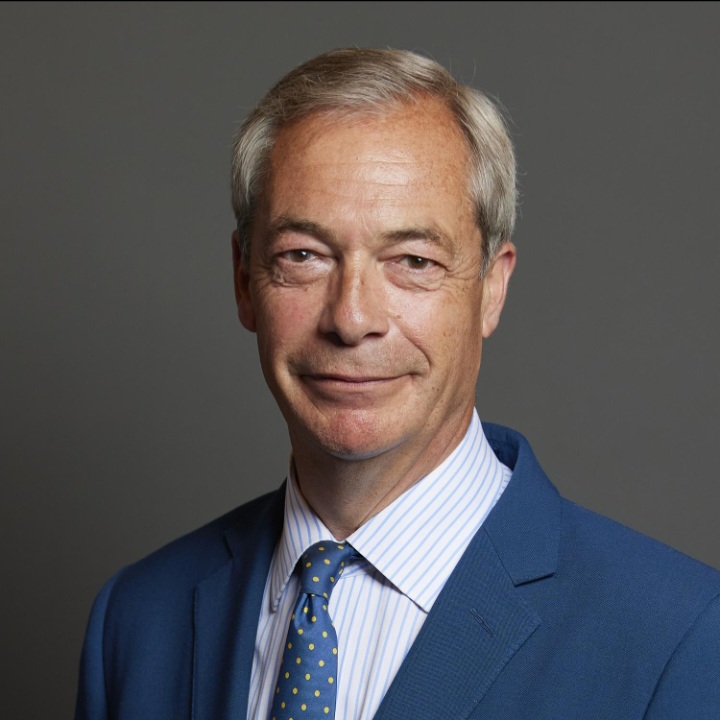
Reform UK leader Nigel Farage plans to suspend the United Kingdom’s asylum system for five years if his party wins power, with proposals to deport people awaiting decisions on their claims and review refugee status granted in recent years.
The Independent reported that the plan would affect about 90,000 pending asylum and humanitarian protection appeals. Rather than allowing the cases to proceed, a Reform UK government would seek to deport the claimants. The proposals would also invalidate outstanding applications and abolish asylum tribunals.
Refugees granted asylum within the previous five years would have their cases reviewed by the Home Office. The party also intends to end existing resettlement schemes, including programmes expected to reopen under Home Secretary Shabana Mahmood that could benefit Palestinians and Afghan women and girls. Reform UK says people who have already arrived through the affected schemes would also face deportation.
Farage said the proposed measures were necessary to protect national security and strengthen border controls. He argued that Britain must establish the number of people living in the country illegally before accepting more asylum seekers.
The party also plans to impose tariffs and other restrictions on countries that refuse to accept their nationals facing deportation. The measures could include sanctions and airline restrictions, alongside an earlier proposal to suspend visas for nationals of Pakistan, Afghanistan, Syria, Eritrea, Sudan and Somalia if their governments fail to cooperate with removals.
Conservative MP Chris Philp, the shadow home secretary, criticised the proposals, saying they largely repeated policies previously announced by his party. He said the Conservatives would additionally seek to withdraw from the European Convention on Human Rights (ECHR), speed up deportations and restrict legal challenges that delay removals.
The proposals would significantly alter Britain’s asylum and refugee resettlement arrangements if implemented, placing immigration policy at the centre of the debate ahead of the next general election.