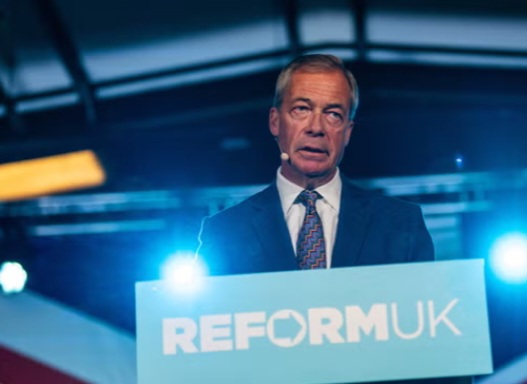
Reform UK leader Nigel Farage has come under fire over plans to shut down Britain’s asylum system for five years, with refugee groups and political opponents questioning the legality of the proposed measures and warning of risks to people fleeing persecution.
The party’s proposals also target employers and public services involved in routine inspections. Under the plan, officials conducting food hygiene checks, fire safety assessments and workplace health and safety inspections must also verify workers’ immigration status.
According to The Independent, the immigration package announced by Farage on Monday includes rejecting all outstanding asylum applications and making applicants liable for deportation. It also proposes reviewing asylum grants issued since 2024, with people from countries deemed safe by the home secretary at risk of losing permission to remain in the UK.
Reform UK further plans to end legal resettlement routes, except those established for Ukrainians after Russia launched its full-scale invasion in 2022.
The proposals have prompted criticism from organisations representing refugees. The Refugee Council’s chief policy analyst, Jon Featonby, warned that closing the asylum system would leave people escaping war without the established route to safety that Britain has maintained for decades.
He said people would continue arriving in the country despite the proposed restrictions, but the absence of an orderly process could push them into situations where exploitation and abuse become more likely.
Women for Refugee Women also raised concerns about the effect on women escaping gender-based violence and other forms of persecution. The organisation described the proposal as an attempt to shut out people seeking protection and said it undermined Britain’s commitment to tackling violence against women and girls.
Louise Calvey, executive director of Asylum Matters, accused Reform UK of reviving approaches previously pursued by Conservative governments. She argued that those policies had failed to resolve the country’s asylum difficulties.
Labour chairwoman Bridget Phillipson also criticised Farage’s plans, accusing him of adopting increasingly hardline positions amid political pressure. She said abandoning people fleeing war and persecution conflicted with Britain’s values.
The Conservatives, however, argued that parts of the proposal reflected their existing policies. Shadow home secretary Chris Philp pointed to proposed restrictions on asylum claims by people who entered the UK illegally, the abolition of immigration tribunals and the termination of Labour’s resettlement routes.
The legal implications remain a major issue. Reform UK wants to repeal the Human Rights Act 1998, withdraw Britain from the European Convention on Human Rights (ECHR) and disapply the Refugee Convention. Implementing these changes would raise questions about parliamentary approval, existing legal protections and the ability of a government to reject asylum applications without considering individual circumstances.
Deportation arrangements also present a practical challenge, particularly when countries refuse to receive their nationals. Farage has threatened to use diplomatic and economic pressure against governments that reject deportees, including visa restrictions, flight bans and tariffs. He has also raised the possibility of targeting assets held in London by nationals of countries that refuse to cooperate.
Nick Beales of Refugee and Migrant Justice described the proposed overhaul as unworkable and legally questionable. He warned that ending the asylum system would not eliminate the need for international protection and raised concerns about returning people to countries where they face torture or death.
The dispute leaves Reform UK’s proposed immigration overhaul facing questions over its legal foundations, the practical arrangements for deportations and the consequences for people seeking safety in Britain.