French authorities have reported the first known human infection with the Shamonda virus, an illness previously associated with animals, but say there is currently no identified threat to the wider population.
The patient, who had a severely weakened immune system and was receiving hospital treatment for a serious condition, died earlier this month. France’s health and agriculture ministries disclosed the case in a joint statement on Thursday, describing it as an exceptional case, Channels Television reported.
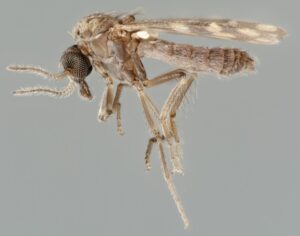
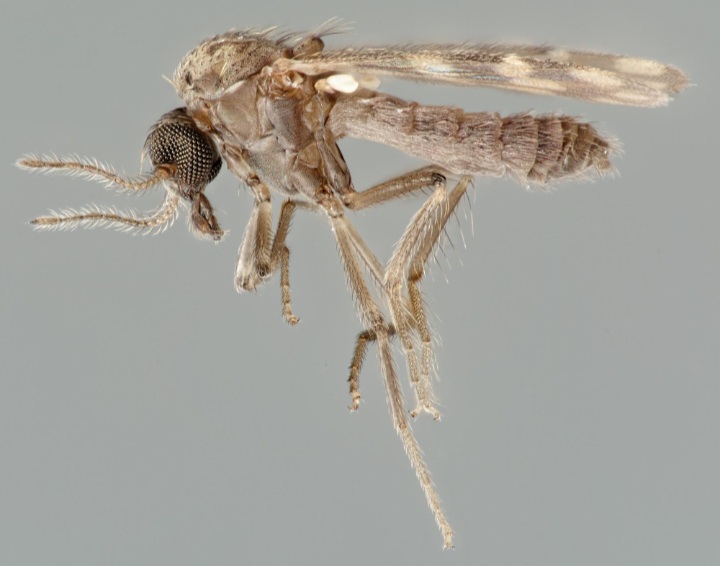
Investigators suspect the patient contracted the virus after being bitten by a midge in eastern France, where the pathogen had been circulating among animals during the warmer months. Preliminary findings also point to a possible link between the infection and neurological complications experienced by the patient before death. Further investigations are underway to establish the circumstances surrounding the case.
The Shamonda virus belongs to the Orthobunyavirus group and is primarily associated with livestock. First identified in Nigeria in the 1960s, it has also been reported in cattle across parts of Africa and in Japan. Its spread to Europe was first recorded in late July, with infections subsequently identified in livestock across 14 Western European countries, according to France’s national animal-health research institute.
Cattle are regarded as the virus’s principal animal hosts. Infected animals may develop fever, diarrhoea, weakness and reduced milk production, while occasional cases have also been recorded in other livestock and horses in France. The virus is generally transmitted to animals through the bites of small insects, including midges.
French authorities said investigations into the human infection remain ongoing. The World Health Organisation and the European Centre for Disease Prevention and Control have also been notified of the case.