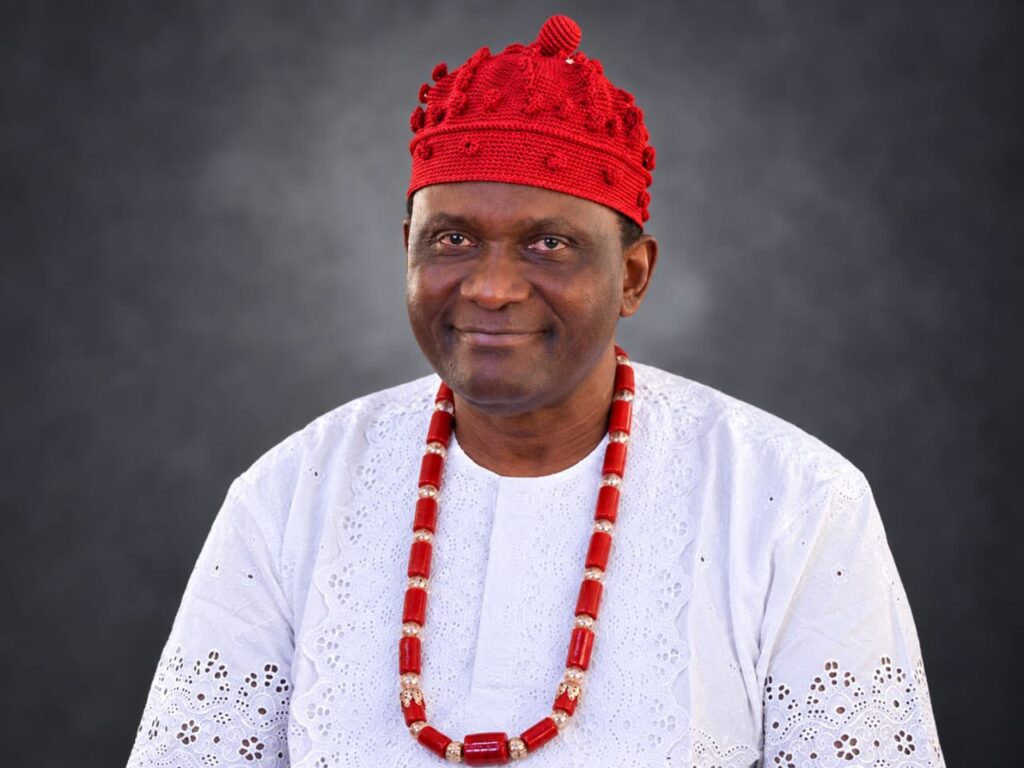
The Chairman of the Hospitality and Tourism Sector Skills Council of Nigeria (HTSSCN), Nkereuwem Onung, has warned that the emergence of a new generation of digitally driven tourists will fundamentally alter the way Nigeria’s tourism and hospitality industry operates.
Onung said the growing influence of Generation Alpha, coupled with artificial intelligence (AI), data and changing consumer behaviour, meant that tourism operators must rethink how they attract, serve and retain visitors.
He made the observation in his 2026 World Tourism Day message themed, “Repositioning for the Future”, with the global celebration focusing on “Digital Agenda and Artificial Intelligence to Redesign Tourism”.
According to him, the tourism industry is already undergoing significant transformation, making it imperative for practitioners to acquire skills that would enable them to respond to emerging technologies and changing market expectations.
“Tourism is changing, and we must change with it,” he said, stressing that data had become an increasingly important resource in understanding consumers and shaping tourism services.
Onung, who coordinates the HTSSCN’s programmes on professional training, human-capital development and national skills standards, said a properly equipped workforce would be central to building a competitive and sustainable tourism industry.
He called for stronger collaboration among government, tourism operators, training institutions and other stakeholders to ensure that workers were prepared for the technological and behavioural changes confronting the industry.
The HTSSCN chairman also highlighted Akwa Ibom’s tourism prospects, urging the state to translate its cultural heritage, natural attractions and hospitality assets into sustainable opportunities for its people through its ARISE tourism agenda.
He commended Governor Umo Eno, whom he serves as Honourary Special Adviser on Culture and Tourism, saying the development of a stronger tourism ecosystem could improve the state’s appeal to visitors and investors.
Onung also commended hotels, travel agencies, tour operators, transport and logistics providers, tour guides, attractions, creatives and other professionals contributing to the sector.
He urged tourism stakeholders to use World Tourism Day to look beyond celebrating the industry and focus on preparing for “a smarter, more inclusive” future shaped by technology, new consumers and new skills.