
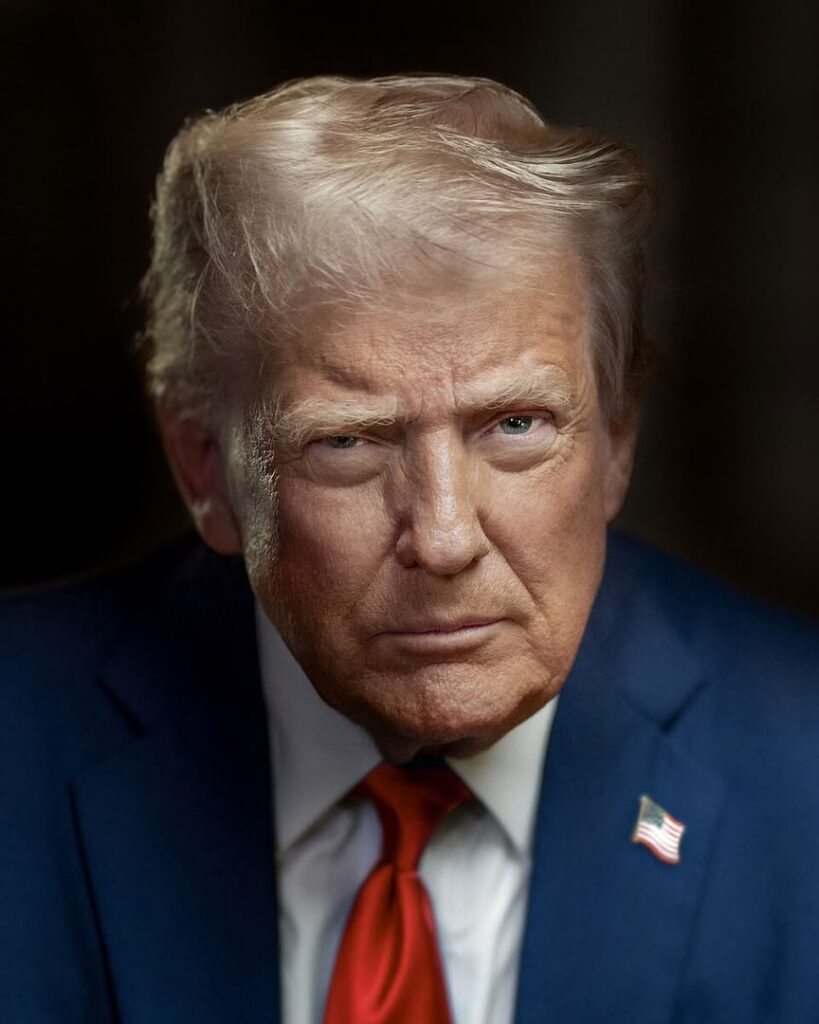
The United States military is set to carry out its first execution in more than six decades after President Donald Trump approved the death sentence for Nidal Hasan, the former Army psychiatrist convicted of killing 13 people at Fort Hood in 2009.
Hasan is to be executed by firing squad, marking the first military execution in the United States since 1961 and bringing renewed attention to the military’s use of capital punishment.
The Pentagon announced that Defence Secretary Pete Hegseth had recommended the execution and that Trump had approved death by U.S. Army firing squad for Hasan, who has remained on military death row since his conviction.
“The Secretary of the Army will set the time and place of the execution,” Pentagon spokesman Sean Parnell said, adding that “judgement day for Hasan has finally come.”
Hasan was convicted by a military jury in 2013 over the mass shooting at Fort Hood, Texas, in which 13 people were killed and more than 30 others wounded.
The attack took place on November 5, 2009, at a medical facility within the sprawling military installation, where soldiers were processed before deployment to combat zones.
Twelve of those killed and 30 of the wounded were members of the military. Hasan was eventually shot and wounded by a civilian police officer who responded to the scene and was left partially paralysed.
Rather than contest the evidence against him, Hasan represented himself during the court-martial, called no witnesses and offered no testimony in his defence. His court-appointed lawyers had expressed concern that his conduct suggested he was seeking a death sentence.
Prosecutors told the military court that Hasan had opposed the US wars in Iraq and Afghanistan and had communicated online with Anwar al-Awlaki, an American-born radical cleric linked to Al-Qaeda who was later killed in a US drone strike in Yemen.
Hasan, a US-born Muslim of Palestinian descent, was convicted of carrying out the attack after prosecutors linked his actions to his opposition to US military operations and his extremist contacts.
His impending execution will therefore not only close a case that has remained unresolved on military death row for years, but also mark the return of the US armed forces to an execution method not used by the military for more than half a century.
The Army will determine the date and location for the execution following the presidential approval.