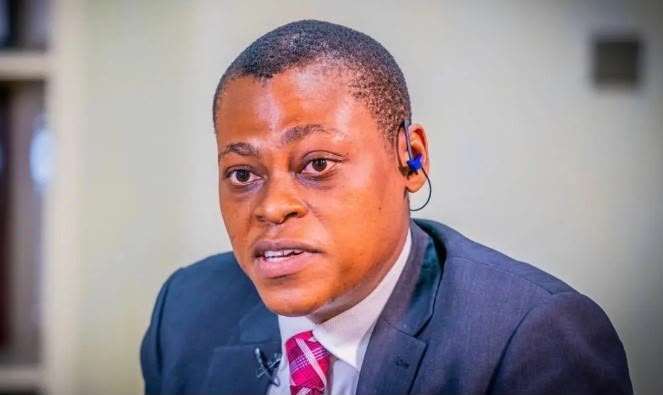
Former Director-General of the Nigerian Television Authority (NTA), Prof. Tonnie Iredia, has defended Arise TV’s Morning Show and its anchor, Rufai Oseni, arguing that critics of the programme are judging its presenters against conventional television formats they do not operate.
Iredia, a former Director-General of the National Broadcasting Commission (NBC) and former INEC Commissioner, said the Morning Show operates a “hybrid, cross-functional format” in which its anchors should not be viewed merely as interviewers.
He made the observation in a commentary titled “Arise TV and Feedback,” dated September 13, 2026, amid growing public debate over the style of presentation and interviewing adopted by the station’s Morning Show.
According to him, many of Rufai’s most vocal critics are guests who either failed to understand the programme’s format before appearing or approached the interviews with the intention of confronting the host.
“The anchors on Arise TV morning show have an approved hybrid, cross-functional format. Anyone who construes any of them as just an interviewer misses the point,” Iredia wrote.
He argued that a television guest should treat the interviewer as a representative of the public rather than allowing the personality or interviewing style of the presenter to distract from the substance of the discussion.
Iredia said the responsibility of a guest was to answer questions persuasively and address whatever public misconception might have informed the question, rather than becoming provoked by the interviewer.
He also criticised what he described as the Nigerian media’s diminishing role in holding government accountable, recalling the stronger position taken by the media during the struggles against colonial rule and military dictatorship.
“What made the Nigerian media great in the past and kept its greatness sustained for long was the role it played in removing our country from alien rule (colonialism) and dictatorship (military government),” he said.
According to the former NTA and NBC boss, the media currently does “little or nothing” in holding government accountable as required by Section 22 of the Constitution, despite broadcasting being the most influential segment of the media.
He questioned why the criticism of Arise TV’s Morning Show had become so intense when, in his assessment, the programme had yet to demonstrate the level of courage displayed by the Nigerian media of the past.
Iredia also cautioned against reducing debates about broadcasting to the personalities of individual practitioners, arguing that the industry had undergone significant changes through digitisation and the growing influence of engineering and marketing.
He said critics who dismiss some practitioners as “broadcast gate crashers” should be more careful, stressing that professional assessment should consider experience, specialisation and practical competence rather than merely academic qualifications.
Reflecting on his own years at the NTA, Iredia defended the continued involvement of experienced broadcasters in programme presentation, citing Charles Aniagolu’s handling of Prime Time and his own presentation of Point Blank while serving as NTA Director-General.
He also expressed disappointment over suggestions that veteran broadcaster Ruben Abati should hand over his television responsibilities to younger practitioners simply because of his years of experience.
Iredia ultimately advised viewers dissatisfied with a station’s programming to exercise their freedom to choose alternatives, noting that the deregulation of broadcasting in Nigeria had provided audiences with that choice since 1992.