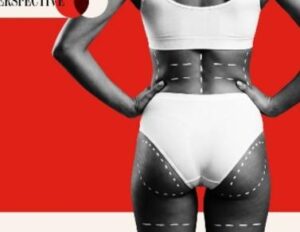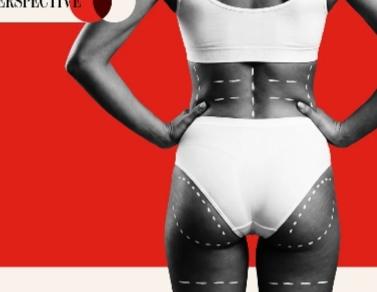
The growing popularity of cosmetic procedures designed to restore women’s pre-pregnancy appearance is reigniting discussions about feminism, body image and the freedom of women to make personal decisions without public judgment.
Known as a “mommy makeover,” the combination of procedures typically includes a tummy tuck, breast surgery and liposuction. While some view the trend as another manifestation of society’s obsession with physical appearance, others argue that women should have the right to decide how they want their bodies to look after childbirth.
At the centre of the debate is a question that challenges conventional ideas about body acceptance: must women embrace every physical change brought about by motherhood, even when they would prefer to change some of those features?
For many women, pregnancy and childbirth can leave lasting changes, including loose abdominal skin, stretch marks, altered breast shape and scars from Caesarean deliveries. Although these changes are widely celebrated as evidence of motherhood, not every woman feels comfortable living with them.
A mother of three identified as Alicia, who underwent a mommy makeover, told Newsweek that the pressure on women to celebrate their postpartum bodies can sometimes make those who desire cosmetic changes feel guilty.
She argued that encouraging body confidence should not mean making women feel obligated to accept every change in their appearance.
Dr Jeremy Nikfarjam of New You Plastic Surgery in New York also questioned the idea that appreciating motherhood and seeking cosmetic treatment must be mutually exclusive.
According to the surgeon, women can value what their bodies have achieved through pregnancy while still wanting to regain confidence and feel comfortable with their appearance. He added that some patients also seek treatment for physical concerns, including separated abdominal muscles, excess skin and problematic Caesarean scars.
Another woman, Jennifer, who underwent two C-sections, described years of frustration with an abdominal pouch that remained despite dieting and exercise.
She recalled becoming emotional after surgery when she was finally able to put on a pair of jeans that made her feel comfortable again. Although the experience might appear ordinary to others, she said it carried considerable personal significance.
However, the increasing acceptance of mommy makeovers has also drawn criticism from those concerned that the beauty industry profits from women’s insecurities.
Critics argue that presenting post-pregnancy bodies as needing restoration could reinforce unrealistic beauty standards and suggest that the physical consequences of childbirth are imperfections that require correction.
Such concerns raise questions about whether cosmetic procedures genuinely reflect personal preferences or are influenced by cultural expectations that women should quickly recover their pre-pregnancy appearance.
Nevertheless, supporters of individual choice caution against assuming that every woman who undergoes surgery is acting under societal pressure.
Alicia described her decision as an expression of personal freedom, saying women should be able to make choices about their bodies without constantly having to defend their motivations.
Jennifer similarly maintained that her decision was personal and not driven by pressure from others.
Nikfarjam stressed that women should neither feel compelled to undergo surgery to satisfy beauty standards nor be ashamed of choosing it for themselves.
The debate highlights a broader challenge for modern feminism: protecting women’s freedom to make decisions about their bodies, even when those decisions do not align with the expectations of others.
Ultimately, advocates of this position argue that body positivity should encourage acceptance without turning it into another rule women must follow.
For mothers considering cosmetic surgery, the central issue is not whether changing their appearance is more empowering than accepting it. Rather, it is whether the decision genuinely reflects their wishes, is made with a clear understanding of the risks and benefits, and is free from coercion.
The discussion surrounding mommy makeovers therefore extends beyond plastic surgery, touching on the meaning of autonomy, the pressures placed on mothers and the right of women to define confidence on their own terms.