BERLIN — Nigeria and Germany have signalled a new chapter in their bilateral relations, with both countries seeking to deepen cooperation in trade, energy, technology, education, skills development, migration and sustainable economic growth.
The renewed commitment featured prominently at Nigeria’s 66th Independence Anniversary celebration hosted by the Nigerian Embassy in Berlin on October 1, where senior officials from both countries outlined opportunities for a stronger strategic partnership amid changing global economic and geopolitical realities.
Nigeria’s Ambassador to Germany, Senator Ita Enang, said Nigeria was ready to expand cooperation with Germany in green energy, technology, infrastructure, education, creative industries, skilled circular migration and vocational training.
Enang described Germany as a pivotal European Union partner and a trusted development partner, noting that relations between both countries had evolved over decades around shared values, mutual respect, democratic principles and common economic interests.
He said Germany’s industrial base, skilled workforce and labour-market needs offered opportunities for qualified Nigerians, particularly as Nigeria’s growing pool of young and skilled professionals seeks to participate in the German economy through regulated migration pathways.
According to him, the administration of President Bola Tinubu is repositioning Nigeria’s education and skills-development system to produce professionals capable of competing in medicine, engineering, technology, academia and the creative industries.
He said specialised institutions were being developed, while existing institutions were being repositioned towards professionalism, entrepreneurship and skills acquisition.
The ambassador also pointed to Nigeria’s expanding capabilities in technology, energy, agriculture, entrepreneurship, creative industries and the arts, describing the country as one of “dynamism.”
Enang reaffirmed Nigeria’s commitment to multilateralism and African integration through the United Nations, African Union, World Trade Organisation and African Continental Free Trade Area (AfCFTA).
Quoting President Tinubu’s Independence Day message, he urged Nigerians to have “faith in ourselves, faith in our country,” saying Nigeria had “corrected its course” and passed through its “own Red Sea.”
He urged Nigerians in Germany and across Europe to remain united, law-abiding and constructive members of their host communities.
Speaking on behalf of Federal Foreign Minister Johann Wadephul, Isabel Henin, Head of Division at the German Federal Foreign Office, congratulated Nigeria on its 66th Independence Anniversary and welcomed Enang as Nigeria’s new Ambassador to Germany and Stefan Röbel as Germany’s new Ambassador to Nigeria.
Henin said the appointments marked “a new and promising chapter” in relations between the two countries.
“At 66, life begins,” she said, describing the milestone as “still young” while noting that it also marked 66 years of diplomatic relations between Nigeria and Germany.
She said both countries were seeking to strengthen their partnership around shared interests and values against the backdrop of growing geopolitical uncertainty, conflicts and global shifts.
Henin underscored Nigeria’s growing strategic importance, noting that the country is projected to become the world’s third-most populous nation by 2050.
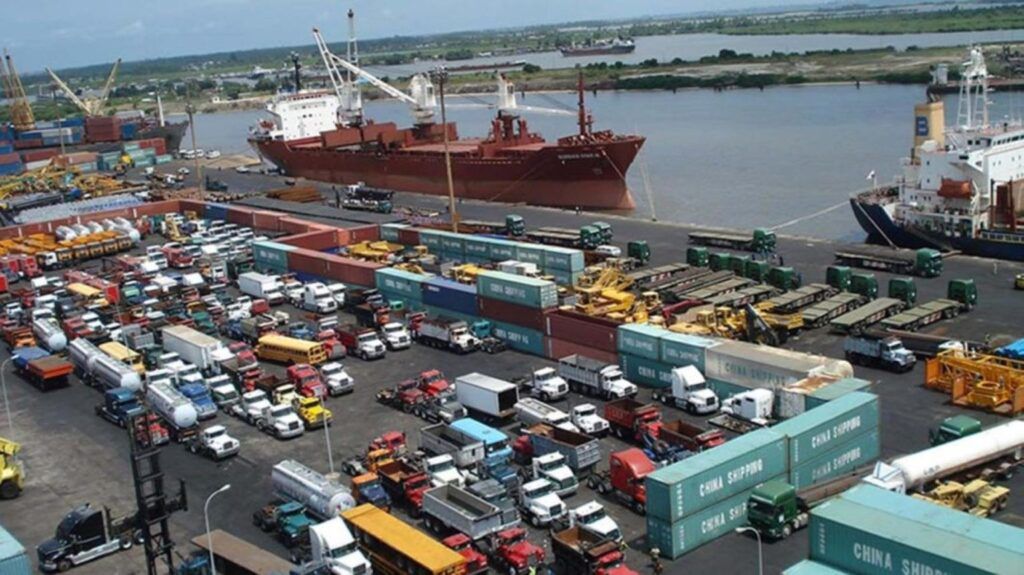
She said Nigeria was already Germany’s second-largest trading partner in Africa, with more than 80 German companies operating in the country.
Germany, she added, remained committed to expanding cooperation with Nigeria in trade, energy, the economy and culture, while deepening engagement with the country’s youthful population.
Henin recalled Wadephul’s July visit to Abuja and Lagos, saying it demonstrated the considerable potential for closer bilateral cooperation.
She identified the next Nigeria-Germany Bi-National Commission, expected to hold in Nigeria next year under the chairmanship of the two countries’ foreign ministers, as a key platform for translating the renewed political commitment into concrete action.
The commission is expected to advance discussions on economic relations, energy, skills development, migration, education and other areas of mutual interest.
The anniversary celebration ended with a toast to the enduring friendship between Nigeria and Germany and to a new chapter of closer cooperation between the two countries.