Nigeria is targeting up to $30 billion annually in climate finance to help smallholder farmers cope with droughts, floods and other climate-related losses, but experts say access to affordable loans and reliable funding will be critical to achieving the goal.
The funding ambition was discussed at a Taxonomy Validation Workshop on Adaptation and Resilience Solutions, where the Presidential Implementation Committee on Technology Transfer (PICTT) and its partners explored ways to attract international green finance and channel it to vulnerable farming communities.
Dahiru Muhammed, Chairman of PICTT, said Nigeria needed a clear framework for identifying farming and other economic activities eligible for climate finance to attract funding from international partners.
“Having a national taxonomy is good, but without defining which activity qualifies as adaptive or resilient to climate change, there is no way you can access the financing,” Muhammed said.
He explained that while the Federal Ministry of Finance and the United Nations Development Programme (UNDP) were driving the broader national taxonomy initiative, PICTT and its technical partners were working to make the framework applicable to rural communities.
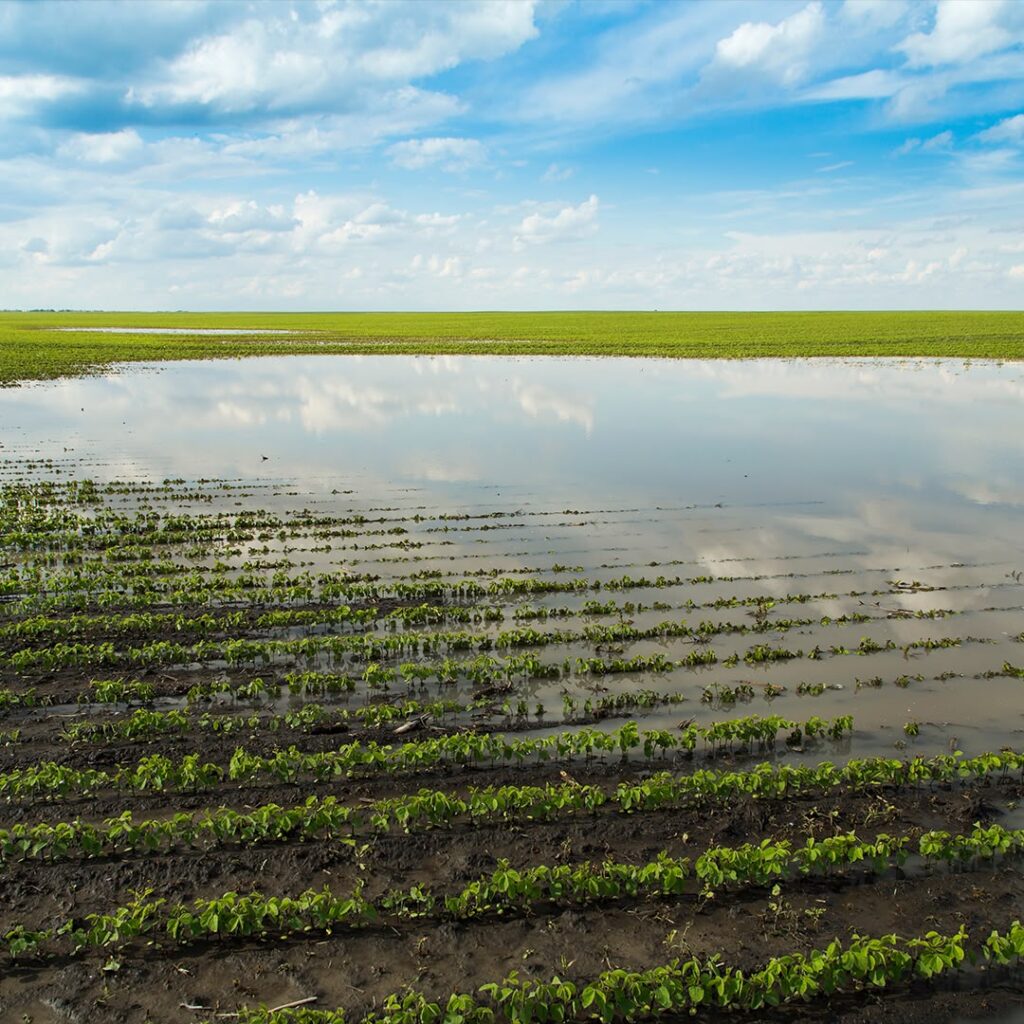
The initiative comes amid growing concerns over the impact of droughts in northern Nigeria and flooding in southern agricultural areas, which threaten farmers’ harvests, livelihoods and investments.
Charles Nyangbe, Country Representative of WorldFish in Nigeria, said government-backed financial guarantees could encourage commercial banks to lend to farmers who might otherwise struggle to secure credit.
“Government should come up with an envelope of funding that is targeted at climate financing, give it to financial institutions, give it to commercial banks so that they can lend,” Nyangbe said.
He also called for affordable insurance and financing arrangements tailored to local conditions to help farmers recover from climate-related losses and reduce the risks faced by lenders.
Nyangbe said Nigeria had attracted about $2.5 billion in climate-related financing, but the amount remained far below estimated requirements.
He urged policymakers to extend climate finance beyond crop farming to livestock, fisheries and aquaculture, noting that floods could destroy fish ponds and other facilities, leaving farmers with substantial losses.
Christoph Junghleisch, Managing Director of YAPU Solutions, said climate adaptation among smallholder farmers represented a potential investment opportunity of up to $30 billion annually.
He said the organisation was working with PICTT to connect climate-resilient farming activities with appropriate sources of finance.
Junghleisch disclosed that proposed initial funding could range from $100 million to $200 million, with a target of scaling up to $1 billion in the first expansion phase. He stressed that these figures were targets, not confirmed funding commitments.
He said digital technology would be used to track funds reaching farmers and ensure that transactions could be verified.
“What we are focusing on is smart use of technology, optimisation of processes that enable you to document each and every cent, Naira, that you are basically bringing to the smallholder farmers,” he said.
The initiative’s effectiveness will depend on whether the proposed framework can attract actual funding and make it accessible to farmers facing mounting climate risks.