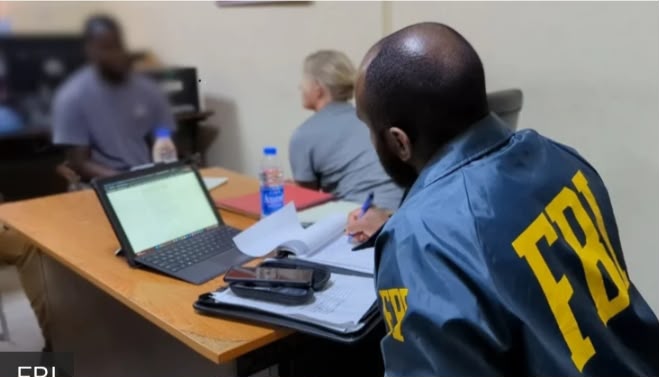
A Nigerian man who allegedly targeted American businesses from overseas has been sentenced to eight years in a United States prison, in a case highlighting how cybercrime investigations can cross borders to reach suspects operating far from their victims.
Chukwuemeka Victor Amachukwu, also known by the aliases Chukwuemeka Victor Eletuo and So Kwan Leung, received the sentence from US District Judge Paul G. Gardephe in New York after pleading guilty to conspiracy to commit computer intrusions and conspiracy to commit wire fraud.
The United States Attorney’s Office for the Southern District of New York announced the sentence in a statement released on Monday, October 19.
According to prosecutors, Amachukwu participated in schemes involving the hacking of US businesses, the theft and misuse of victims’ identity information, and financial fraud.
The case illustrates the potential consequences of treating geographical distance as protection against prosecution for cybercrime. Although the alleged targets were in the United States and the suspect was believed to have operated from overseas, American authorities pursued the case through the US justice system.
Prosecutors said the offences caused substantial harm to victims and the wider public, arguing that the severity of the damage warranted a significant prison term.
Amachukwu’s guilty plea covered conspiracy to commit computer intrusions and conspiracy to commit wire fraud. The sentence followed those admissions; the available account does not provide a breakdown of individual victims’ losses or the full methods used in each scheme.
The case also underscores the risks associated with stolen personal information, which can be used to impersonate victims, gain unauthorised access to systems and facilitate fraudulent transactions.
The sentencing was announced by the US Attorney’s Office for the Southern District of New York, which said the crimes had inflicted serious harm on businesses and individuals.
For would-be cybercriminals, the outcome is a reminder that operating across national borders does not automatically place online offences beyond the reach of law enforcement.
Source: BBC News Pidgin, citing the US Attorney’s Office for the Southern District of New