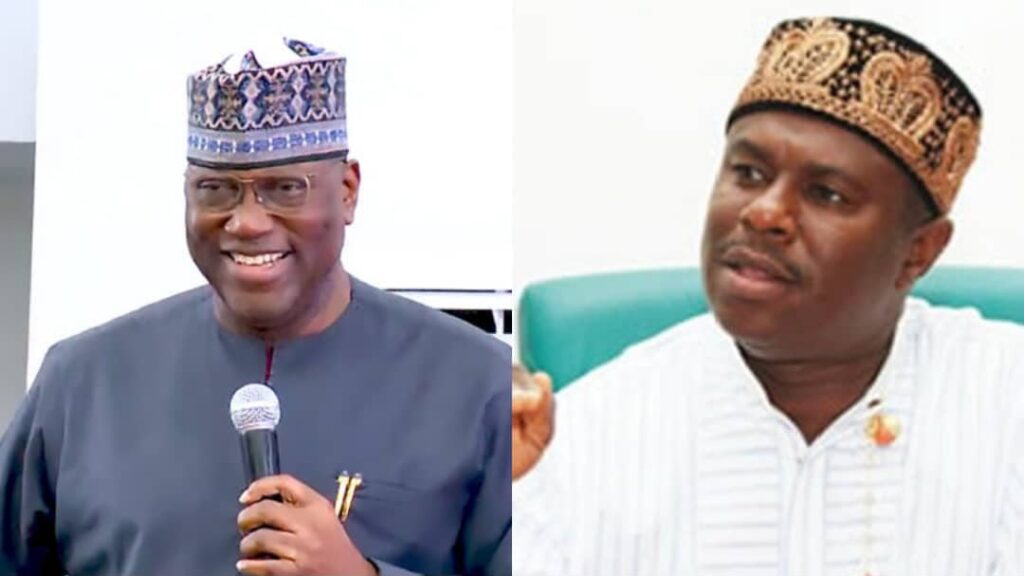
Nigeria’s Image Cannot Improve Through Publicity Alone, Momoh Tells Government, BusinessesNigeria’s reputation will depend more on the conduct of its institutions and citizens than on publicity campaigns, the Chairman of the Advisory Body of the Nigeria Reputation Management Group (NRMG), John Momoh, has said.
Momoh made the point at Nigeria Reputation Day 2026, held under the theme, “Own the Narrative: Shaping Nigeria’s Reputation Together,” where he challenged government, businesses, the media and Nigerians at home and abroad to take responsibility for how the country is perceived.
According to a report on the event, he argued that Nigeria must earn international respect through demonstrable progress, credible leadership and responsible conduct rather than rely on official statements to improve its image.
“Let’s stop trying to announce our reputation. Let’s start earning it,” Momoh said, insisting that the country’s achievements must be recognised without concealing its challenges.
He identified insecurity, corruption, economic hardship and declining public trust as part of the negative perceptions confronting Nigeria, but said these existed alongside the creativity of young innovators, the global reach of Nigerian entertainment and the contributions of citizens in the diaspora.
Using examples such as a team in Enugu demonstrating drone technology for medicine delivery, Momoh said positive developments deserved greater visibility but should be presented alongside the realities Nigerians experience.
He also warned businesses that their treatment of workers, product quality and ability to honour commitments contributed directly to the country’s reputation, stressing that corporate conduct could either strengthen or undermine confidence in Nigeria.
“Your brand is Nigeria’s brand. Every product you make, every staff member you treat fairly, and every promise you keep is reputation work,” he said.
Former Director-General of the Nigerian Maritime Administration and Safety Agency, Dakuku Peterside, said the country needed an evidence-based approach to reputation management, warning that international perceptions could affect investment, trade, tourism and diplomatic relations.
Peterside cautioned that promoting Nigeria’s image should not mean controlling public opinion or suppressing criticism. Instead, he called for accurate information and context that would help international audiences understand both the country’s problems and its wider achievements.
He said public institutions and political leaders carried a greater responsibility for shaping national reputation because their decisions directly affected citizens’ daily experiences and influenced how outsiders judged the country.
To improve credibility, Peterside proposed that NRMG work towards establishing a national evidence repository and a reputation dashboard to document measurable achievements, identify persistent weaknesses and track progress against development goals.
Both speakers called for sustained cooperation among government, businesses, media organisations and citizens, arguing that Nigeria’s international standing would be strengthened when its public claims were supported by verifiable results and its institutions consistently delivered on their responsibilities.