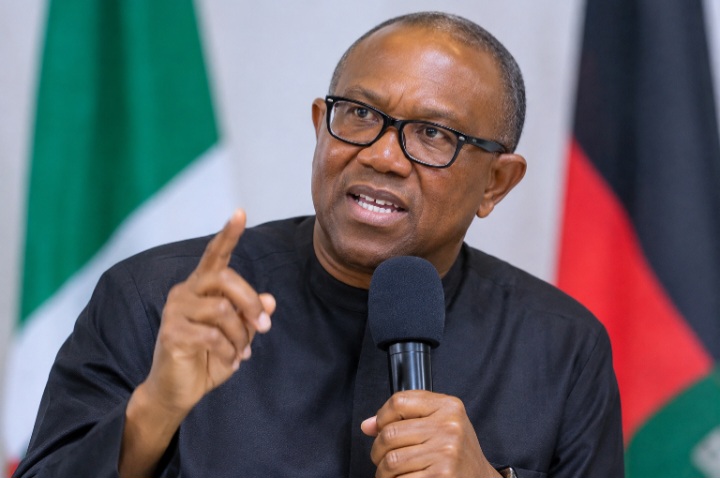
Presidential candidate of the Nigeria Democratic Congress (NDC), Peter Obi, has criticised the arrest of some of his supporters in Akwa Ibom State, arguing that citizens should be able to participate in lawful political activities without intimidation.
Obi made the remarks after police authorities in the state disrupted a planned Independence Day procession by supporters of Obi and Rabiu Kwankwaso in Uyo, with some participants taken into custody. SaharaReporters reported that the development included the arrest of Elijah Noah, the Akwa Ibom coordinator of the Obi-Kwankwaso Movement, and later Dr. Ben Smith, the state coordinator of the Obidient Movement.
According to SaharaReporters, Smith was arrested at Ikot Akpan Abia after he went with other supporters to seek the release of Noah and other members who had earlier been detained. Noah had been arrested amid the planned “Two Million Man March” organised by supporters of Obi and Kwankwaso ahead of the 2027 elections.
The arrests followed a directive by the Akwa Ibom State Police Command asking political groups to reschedule rallies, meetings and processions planned for October 1. Police said the decision was based on security intelligence and concerns that political gatherings could lead to disturbances or a breakdown of public order.
Reacting to the incident, Obi said the ability of citizens to express political views within the law was central to the meaning of independence. He argued that the reported detention of people over their association with the Obidient Movement should concern those committed to democratic rights.
The former Anambra State governor also criticised what he described as a pattern in which people who previously opposed injustice later become tolerant of similar conduct when directed at others. He maintained that independence should be reflected in citizens’ freedom from fear, injustice, intolerance and abuse of power.
The controversy comes as political groups begin preparations for the 2027 general elections, with the dispute in Akwa Ibom raising competing concerns over political participation and the responsibility of security agencies to prevent disturbances during public gatherings.