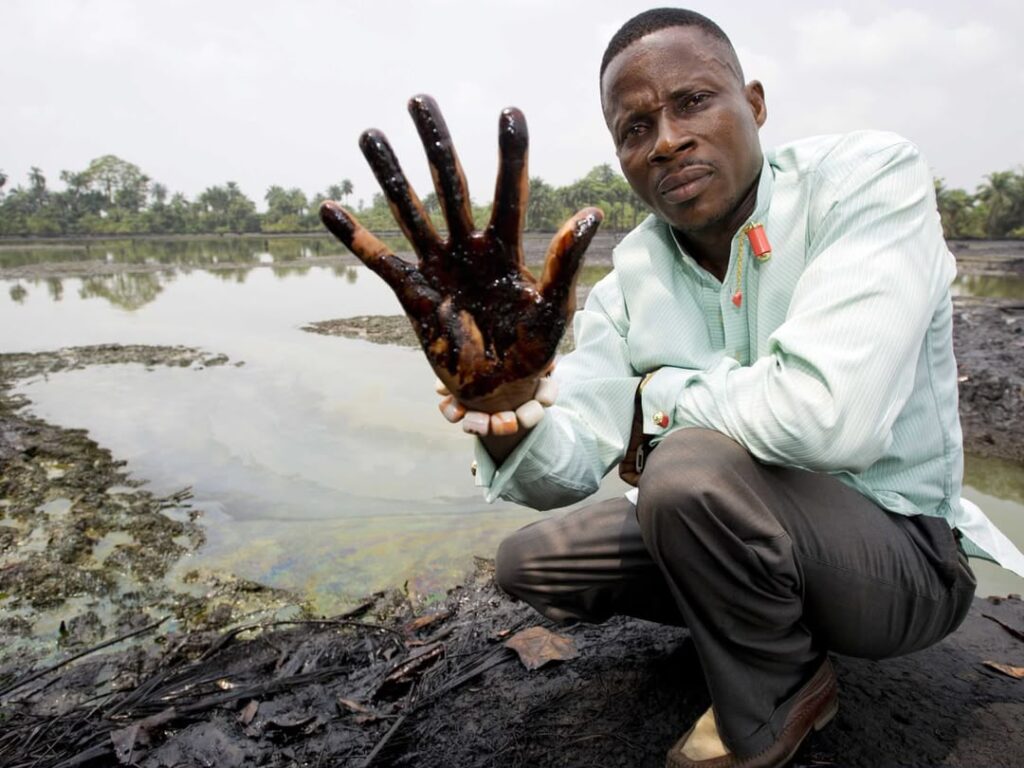
The House of Representatives has resumed its investigation into the prolonged oil spill in Odidi and other coastal communities in Delta State, as residents face pollution linked to the Trans-Forcados Pipeline operated by Heritage Energy Operational Services Limited (HEOSL).
The House Committee on South-South Development Commission resumed the investigative hearing on October 22, alongside its probe into prolonged gas seepage in Bille, Rivers State, according to a report by Voice of Nigeria. The committee said it was seeking to establish the facts, determine responsibility and ensure environmental restoration. .
The Odidi spill, first reported on February 19, 2026, at the Kantu-Odidi axis of Warri South-West Local Government Area, has reportedly affected 216 communities, according to community leaders and Delta State Governor Sheriff Oborevwori.
The governor, during an inspection of the affected area in early October, said the number of impacted communities had risen from an initial 86 to 216. He directed the immediate deployment of medical teams to assess residents and determine the health implications of the pollution. .
The spill has disrupted fishing and other livelihoods in the affected communities, with residents raising concerns about polluted water sources, inadequate relief supplies and the absence of sufficient medical attention.
Odidi Federated Community Chairman, Comrade Justin Gbenekama, accused Heritage Energy of failing to contain the spill effectively, despite recovery efforts.
He said the crude had spread through waterways connecting the affected area to major rivers and coastal waters, worsening the impact on residents who depend on fishing and farming for survival.
Gbenekama also questioned the effectiveness of the recovery process, alleging that crude collected from the affected area was being returned to the same pipeline, from which further leakage continued.
He called for the immediate shutdown and complete repair of the affected pipeline before operations resume.
The Ijaw Youth Council President, Dr. Doubra Collins Okotete, has also criticised the response to the spill, threatening to mobilise youths against operations linked to the affected oil assets if urgent action is not taken.
Okotete blamed equipment failure rather than sabotage for the incident, alleging that the prolonged leakage had exposed residents to health risks and destroyed their sources of livelihood.
However, environmental monitor and Niger Delta Peace Coalition Coordinator, Zik Gbemre, offered a different account, linking recurring pollution in the Odidi and Egwa fields to illegal crude-oil tapping and pipeline sabotage.
Gbemre argued that repeated unauthorised connections, commonly called hot-taps, could weaken pipeline sections and cause further leaks even after damaged points had been repaired.
He also questioned claims that surveillance arrangements had eliminated oil theft in the area, insisting that illegal bunkering remained a threat to oil infrastructure.
Media consultant and Coordinator of Journalists for Just Development of the Niger Delta, Austine Aghomi, said both pipeline maintenance failures and vandalism needed to be addressed to prevent recurring spills.
He warned that repeated damage to pipelines could accelerate deterioration and force operators to undertake costly repairs or replace infrastructure earlier than expected.
Heritage Energy has said it is working with the Delta State Government, host communities and regulatory authorities to resolve the crisis.
The company’s General Manager, Operations Integrity, Nelson Wilbert, said its immediate priority was to complete the technical work required to stop the leakage and safely restore operations. He added that the company would collaborate with relevant stakeholders to assess the damage, clean up affected areas and address compensation.
During his October inspection, Oborevwori said the company had assured the state government that technical operations would be concluded and the cleanup completed before the end of the month, after which discussions with affected communities on compensation would follow.
The governor also directed relevant state commissioners to monitor compliance with the agreed timeline and report on progress.
With the House investigation resuming and the state government demanding action, attention is now on whether the operator will meet its cleanup commitment, provide adequate medical support and address the losses suffered by affected residents.
The latest developments have placed renewed focus on accountability for the spill, the protection of host communities and the need to prevent further pollution of the Niger Delta’s waterways.