A 24-year-old Sri Lankan migrant worker is facing execution in Saudi Arabia over a Facebook post deemed blasphemous, prompting diplomatic efforts by Colombo to secure his release and raising fresh concerns about the punishment of online speech.
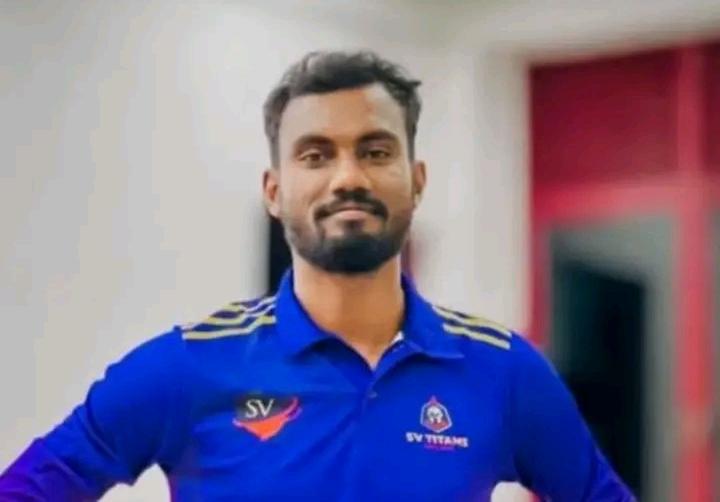
Anojan Sivarasa, from Kalmunai in Sri Lanka’s Eastern Province, was sentenced to death in September after a social media controversy escalated into a criminal case. He had been working in Saudi Arabia for less than a year before his arrest on July 2.
The incident reportedly followed an online argument sparked by a viral video showing a man kicking a stray dog that had accompanied Hindu pilgrims. After another user allegedly made a derogatory remark about a Hindu deity, Anojan responded with comments insulting Prophet Muhammad. He later deleted the post and published an apology video, but screenshots of the original remarks were reportedly forwarded to his employer and subsequently reached Saudi authorities.
The Al-Ahsa Criminal Court initially sentenced him to five years in prison and imposed a fine of three million Saudi riyals under the country’s cybercrime law. However, prosecutors later appealed, seeking to have the case considered under Sharia law. The court granted the request, resulting in the death sentence for blasphemy.
Sri Lanka’s government has intensified efforts to reverse the ruling, deploying legal representatives to Saudi Arabia to pursue an appeal. Foreign Minister Vijitha Herath told parliament that two legal teams were working on the case, while officials were also preparing a clemency request from President Anura Kumara Dissanayake. The government has promised to cover Anojan’s legal expenses.
Politicians from Sri Lanka’s Tamil-speaking minority communities have also appealed for mercy, arguing that the punishment is disproportionate to the offence. Opposition lawmaker Mano Ganesan has urged the president to seek assistance from Indian Prime Minister Narendra Modi, citing India’s close diplomatic relationship with the Saudi leadership.
The campaign to save Anojan has attracted support from religious organisations, civil society groups and members of parliament, with petitions launched against the sentence. His mother, Rasamanickam Yogalakshmi, has made an emotional appeal for forgiveness, asking Saudi authorities to spare her son’s life and allow him to return home.
Concern has also grown over Anojan’s welfare in detention. Sri Lankan Foreign Minister Herath disclosed that the young worker had recently been transferred to another cell at Dammam prison after sustaining bruises during an altercation with another inmate. His family, meanwhile, reportedly had not received an update on his condition since September 28.
Despite the severity of the sentence, the case has attracted limited international intervention, prompting questions about the response of governments and human rights organisations. Lawmakers have called for broader diplomatic pressure, arguing that international partners could help persuade Riyadh to reconsider the punishment on humanitarian grounds.
The case has renewed scrutiny of Saudi Arabia’s treatment of online expression, particularly given its record of carrying out capital punishment. Amnesty International reported at least 356 executions in the kingdom in 2025, the highest annual total recorded, compared with 345 in 2024. In another case, Saudi teacher Mohammed Al Ghamdi had his death sentence for social media posts overturned in 2023, although he was subsequently sentenced to 30 years in prison, according to human rights groups.
More than 245,000 Sri Lankans are estimated to live and work in Saudi Arabia, making the outcome of Anojan’s case a matter of wider concern for migrant workers and their families. Saudi authorities had not publicly announced an execution date, and the kingdom’s foreign ministry had not immediately responded to requests for comment.
For now, Colombo’s diplomatic and legal campaign continues, with Anojan’s family hoping that negotiations and appeals will secure a reversal of the sentence before it is carried out.