US President Donald Trump has moved to suspend the implementation of sweeping sanctions and trade penalties designed to squeeze Russia’s energy industry, signalling a shift in Washington’s approach to economic pressure on Moscow.
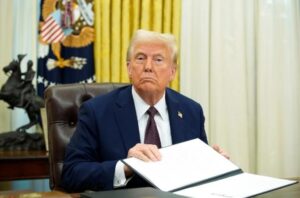
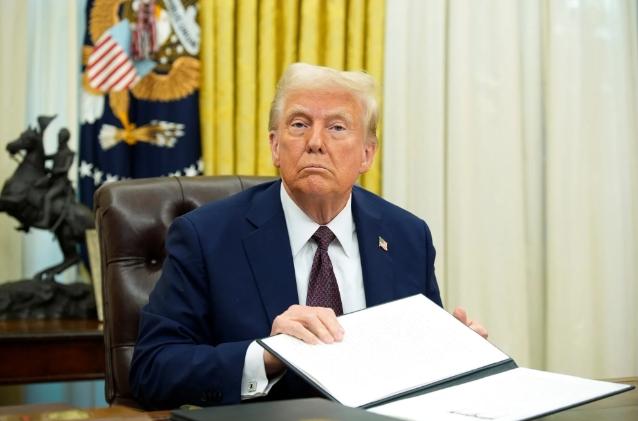
Trump signed an executive order on Friday, October 16, waiving the restrictions introduced under legislation known as the Lindsey Graham Act, which was enacted the previous month.
The law gave the US president authority to impose tariffs of up to 100 per cent on countries purchasing Russian oil and gas. It was designed to cut Moscow’s energy earnings while increasing the economic consequences for governments continuing to trade with Russia.
Beyond targeting buyers of Russian petroleum products, the legislation also provided for punitive measures against Russia’s energy and defence industries, President Vladimir Putin and other senior officials. It further covered Moscow’s so-called shadow fleet of oil tankers, allegedly used to evade Western restrictions.
However, Trump’s latest decision puts the planned measures on hold, following a controversial arrangement with Putin that reportedly allows Russian diesel exports to continue in exchange for relief from US sanctions.
The decision has raised concerns over Washington’s strategy towards Moscow, particularly as the war in Ukraine continues and Western allies remain divided over how best to limit Russia’s financial capacity to sustain its military operations.
Ukraine has reacted negatively to the development. President Volodymyr Zelensky described the agreement as a “weak decision”, reflecting Kyiv’s concern that easing restrictions could provide Moscow with additional economic breathing room.
In response to the changing situation, Ukrainian forces have resumed attacks on Russian oil refineries, highlighting the continuing battle over the energy infrastructure that plays a crucial role in funding Russia’s war effort.
Trump’s waiver marks a significant development in US-Russia economic relations, with its broader implications likely to depend on how Washington balances diplomatic engagement with efforts to pressure Moscow over the conflict.