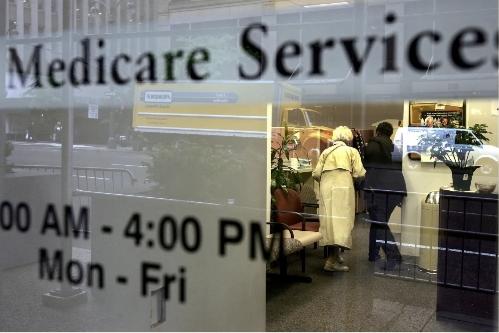
Two major healthcare organisations in Texas are withdrawing from the Medicare Advantage market, raising concerns about the insurance options available to thousands of older Americans heading into 2027.
Houston-based Memorial Hermann Health System and Irving-based CHRISTUS Health Plan are among 10 health system-affiliated insurers that will discontinue their Medicare Advantage offerings next year, according to data from the US Centers for Medicare and Medicaid Services (CMS).
Memorial Hermann Health Plan, which provided coverage across six Texas counties in 2026, will end its Medicare Advantage operations by December 31. CHRISTUS Health Plan is also withdrawing after serving 36 counties in Texas and eight in New Mexico.
Their departure is part of a wider retreat by hospitals and healthcare organisations from the private Medicare insurance market, as providers struggle with rising healthcare expenses, regulatory demands and disagreements over reimbursement arrangements.
Other organisations affected by the 2027 withdrawals include Braven Health in New Jersey, Saint Alphonsus Health Plan in Idaho, Aspirus Health Plan in Wisconsin and Providence Health Plan, which operates across parts of Oregon, Washington and California.
The list also includes CarePartners of Connecticut, WellSense Health Plan in New Hampshire, Mass Advantage in Massachusetts and Sharp Health Plan in California.
While some organisations are shutting down their Medicare Advantage insurance businesses entirely, others are choosing to end partnerships with specific insurance companies rather than withdraw from the programme altogether.
According to Becker’s Hospital Review, at least 35 health systems have announced or implemented Medicare Advantage contract terminations in 2026.
Among them is Kettering Health in Ohio, which dropped Humana and Devoted Health Medicare Advantage plans for 2026 and plans to leave Anthem’s network in 2027.
Sentara Health in Virginia has also announced plans to terminate its agreement with Anthem following unsuccessful negotiations. Similarly, Oregon Health and Science University will stop accepting Regence BlueCross BlueShield Medicare Advantage plans after 2026, while Illinois-based Endeavor Health is ending its agreement with Aetna.
Healthcare experts say disagreements over payment rates, delays in reimbursements and insurance companies’ prior authorisation requirements are among the major factors driving the growing tensions between hospitals and insurers.
Financial expert Michael Ryan told Newsweek that operating a healthcare facility and running an insurance company require different business models, adding that competition, regulatory uncertainty and compliance costs have made the insurance business increasingly difficult for some health systems.
The withdrawals could leave many Medicare beneficiaries with fewer choices when selecting healthcare coverage for 2027. Some may also discover that hospitals and doctors they previously relied on are no longer included in their insurance networks.
Beneficiaries have therefore been advised to pay close attention to notifications from their insurers and review alternative coverage before the end of the year.
Those affected may need to select another Medicare Advantage plan or consider returning to Original Medicare, alongside separate arrangements for prescription drug coverage and other healthcare expenses.
The changes are expected to put additional pressure on policymakers to address the financial challenges facing Medicare Advantage while ensuring that older Americans do not lose access to affordable healthcare.