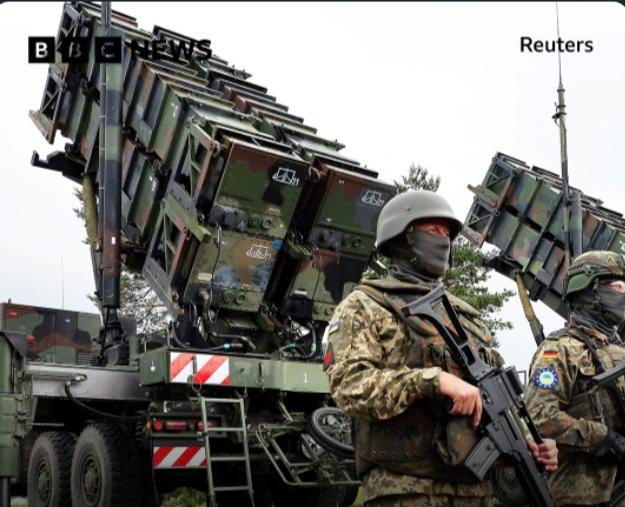
The United States has approved a $2.1bn deal to supply Ukraine with 500 Patriot air defence missiles as Kyiv continues to face intensified Russian missile and drone attacks.
The approval covers the advanced PAC-3 interceptor missiles, which are designed to destroy incoming ballistic missiles and other aerial threats. However, the weapons may not arrive anytime soon, with Ukrainian President Volodymyr Zelensky warning that delivery could take several years.
According to the US State Department, the purchase will be funded by Ukraine’s European allies and Canada, rather than American taxpayers. Germany, Norway and Canada are expected to contribute through the JUMPSTART programme, alongside funding from the European Union’s Ukraine Support Loan.
US defence contractor Lockheed Martin will handle the deal, which Washington says is intended to strengthen Ukraine’s security and support stability across Europe.
Reacting to the announcement on Friday, Zelensky welcomed the approval but insisted that his country could not afford to wait years for the missiles. He said Ukraine urgently needed the weapons as Russia continued to target critical infrastructure, particularly electricity facilities ahead of the winter season.
The Ukrainian leader disclosed that Russia had carried out more than 30 attacks on important sections of the country’s power network within two weeks, raising concerns about the impact of further strikes on civilians during the cold months.
Ukraine’s demand for the Patriot systems has become more urgent as its existing supply of interceptors continues to run low. The missiles are among the few weapons capable of effectively intercepting Russia’s deadly ballistic missiles.
However, supplying them presents a major challenge because of limited global production capacity. Available figures from the US Department of Defence indicate that only about 600 Patriot missiles are manufactured annually, while increased demand from ongoing conflicts has placed additional pressure on supplies.
The latest approval also comes amid recent tensions between Zelensky and US President Donald Trump over Washington’s approach to the war and its relationship with Moscow.
Trump had earlier suggested that Ukraine needed new leadership to negotiate an end to the conflict, while disagreements also emerged over sanctions against Russia. Relations appeared to improve following discussions between Zelensky and American representatives in Oslo on October 20.
Meanwhile, tensions between Western governments and Russia were also visible at the G20 foreign ministers’ meeting in Atlanta, where European diplomats refused to participate in an official group photograph because of the presence of Russian Foreign Minister Sergei Lavrov.
British Foreign Secretary Ed Miliband openly challenged Lavrov over Moscow’s role in the war, accusing Russia of killing innocent civilians in Ukraine.
Russia launched its full-scale invasion of Ukraine in February 2022, following its earlier seizure of Crimea and parts of eastern Ukraine. Despite continued diplomatic efforts, the conflict has shown little sign of reaching a lasting resolution.