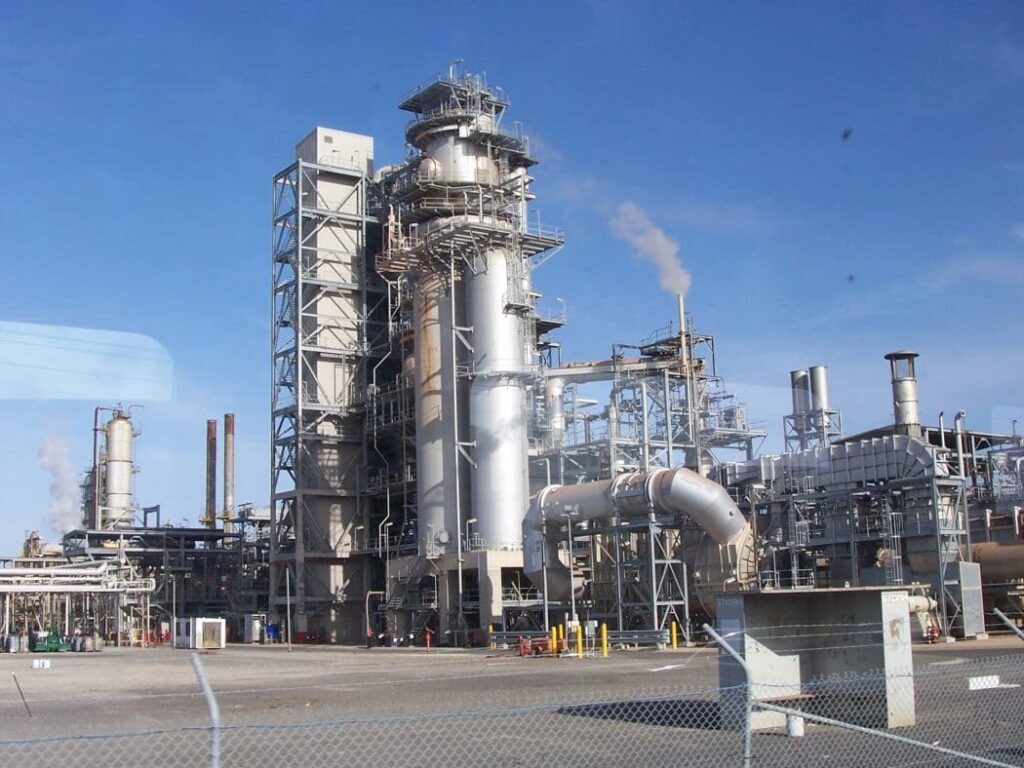
Petrol prices reaching as high as N1,500 per litre in some parts of Nigeria have renewed pressure on the Federal Government and the Nigerian National Petroleum Company Limited (NNPC Ltd) to bring the Warri and Port Harcourt refineries back into operation.
The pressure has coincided with fresh technical assessments of the two government-owned facilities as NNPC weighs technical and financial partnerships aimed at completing, operating and optimising the refineries on a commercially sustainable basis.
The development was reported by Legit.ng, which said the renewed push followed calls by petroleum marketers for faster action to restore domestic refining capacity and reduce Nigeria’s dependence on imported petroleum products.
Joseph Obele, National Public Relations Officer of the Petroleum Products Retail Outlets Owners Association of Nigeria, said petrol was selling between N1,400 and N1,500 per litre in some locations, while diesel had risen above N2,000 per litre.
Obele urged the government and NNPC to accelerate the restart of the Warri and Port Harcourt facilities, arguing that greater domestic refining could help cushion consumers against the effects of rising international crude oil prices.
Responding to concerns over the refineries and fuel prices, a senior NNPC official said the company was evaluating potential technical and financial partners to ensure that the facilities return to sustainable and commercially viable operations.
“NNPC Ltd recognises public interest in fuel prices and the operational status of its refineries. The company remains committed to restoring the refineries to sustainable and commercially viable operations,” the official said.
The official disclosed that NNPC signed a Memorandum of Understanding with Sanjiang Chemical Company Limited on April 30, 2026, covering possible technical, operational and investment opportunities involving the refineries and associated petrochemical projects.
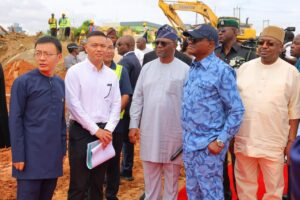
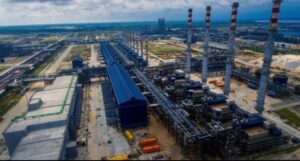
Under the engagement, preliminary technical assessments have been carried out at the Warri Refinery and Petrochemical Plant and the Port Harcourt Refinery, while any final partnership arrangement will remain subject to due diligence, viability assessments and necessary approvals.
NNPC said its approach was intended to ensure that the refineries do not merely resume production but operate on a sustainable commercial basis over the long term.