
West Africa could be heading towards a deeper crisis as rising temperatures, worsening floods, prolonged droughts and rising sea levels threaten to drive more people from their homes, disrupt food production and damage critical infrastructure across the region, climate experts have warned.
The experts said the growing climate emergency was already exposing communities to extreme heat, unpredictable rainfall, flooding and land degradation, with the consequences increasingly extending beyond the environment to food security, livelihoods, migration and regional stability.
They raised the alarm at the Second Extraordinary Session and Second Seminar of the ECOWAS Parliament in Accra, Ghana, held under the theme, “Climate Change as a Driver of Environmental Degradation, Population Displacement and Rising Insecurity in the ECOWAS Region.”
Speaking on the implications of climate risks for regional stability, Senior Programme Officer, Climate Change and Ozone Directorate of Ghana’s Environmental Protection Authority, Dr Derek Sarfo-Yiadom, said climate hazards were no longer threats for the future but realities already confronting communities.
“Climate hazards are with us,” Sarfo-Yiadom said, identifying extreme heat, drought, heavy rainfall, changing rainfall patterns and rising sea levels among the major dangers facing West Africa.
He said seasonal temperatures had risen by between one and three degrees Celsius since 1970, warning that the increase was contributing to more frequent heatwaves and increasingly unpredictable weather patterns.
According to him, the changing climate was simultaneously creating conditions for destructive floods in some areas and prolonged droughts in others, placing additional pressure on agriculture and already vulnerable communities.
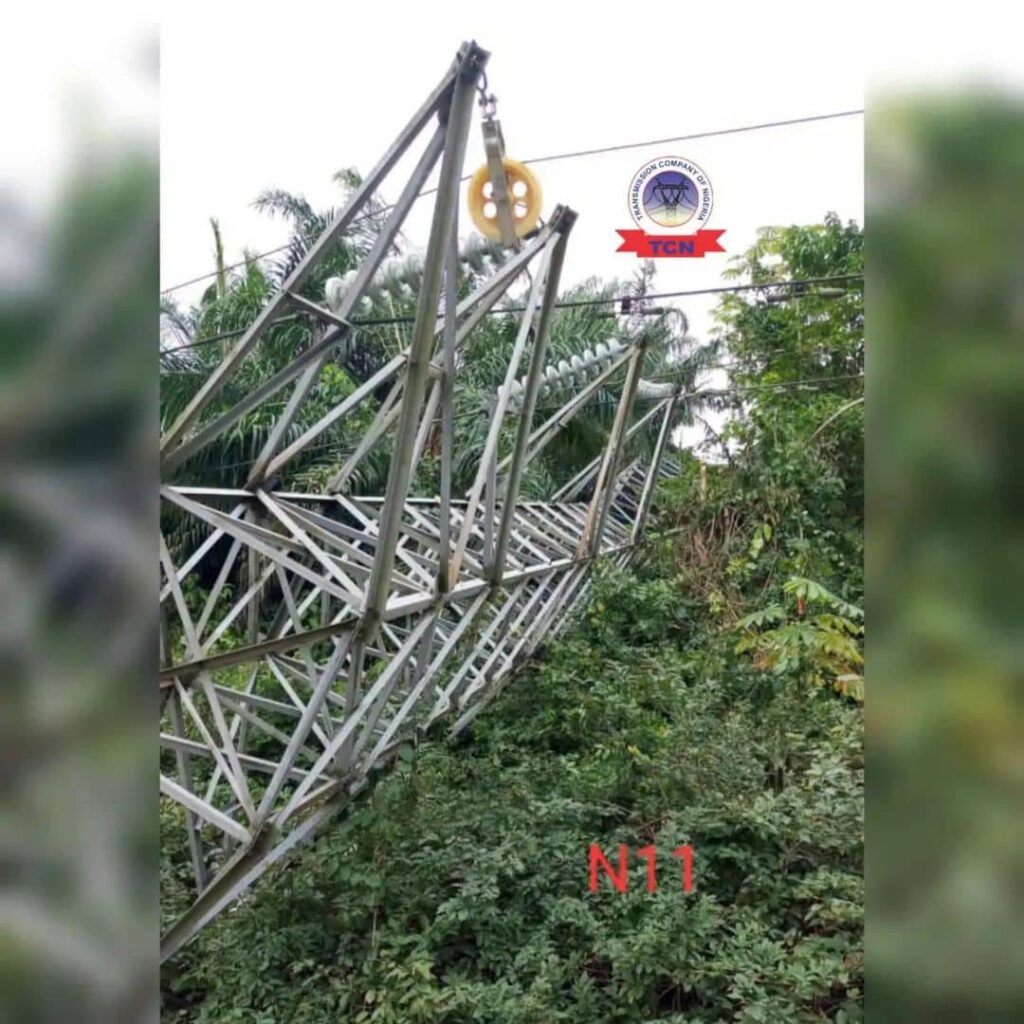
Sarfo-Yiadom warned that farmers, low-income households, coastal settlements and displaced populations were particularly exposed, while homes, roads, ports, electricity systems, irrigation facilities, markets and other critical infrastructure were also at risk.
The consequences, he said, could become even more severe where communities lacked the resources to withstand or recover from climate-related disasters.
Beyond physical destruction, Sarfo-Yiadom said deteriorating environmental conditions could trigger population displacement and intensify competition over scarce agricultural and natural resources, potentially creating new pressures for conflict and insecurity.
He therefore called for greater investment in adaptation, climate-risk mapping, flood-resilient planning and early-warning systems capable of delivering timely information to communities facing imminent threats.
The expert also demanded greater accountability in the management of funds allocated to climate programmes, stressing that resources meant to protect vulnerable populations must translate into concrete interventions.
Also speaking, Principal Officer, Climate Change and Climate Services at the ECOWAS Commission, Mr Raoul Kouame, said the region’s challenge was no longer about making climate promises but turning them into action.
“The challenge is no longer just to define climate commitments,” Kouame said.
He identified weak institutional coordination, unequal national capacities and inadequate access to climate finance as major obstacles preventing ECOWAS countries from mounting a sufficiently coordinated response.
Kouame called for stronger collaboration among member states and regional institutions, particularly in climate services, early-warning systems, forest protection, ecosystem conservation, carbon markets and access to international climate funds.
Similarly, climate, water and meteorology expert with the Permanent Inter-State Committee for Drought Control in the Sahel (CILSS), Dr Abdou Ali, warned that no ECOWAS member state could effectively isolate itself from the consequences of climate change because environmental shocks do not respect national borders.
Ali advocated the sharing of climate data, technical expertise and climate services across the region, identifying drought, land degradation and food insecurity as major threats requiring joint intervention.
He also called for climate considerations to be built into policies covering agriculture, forestry, energy, transport, industrialisation and waste management, alongside stronger institutions and sustainable financing.
Earlier, Speaker of the ECOWAS Parliament, Hadja Memounatou Ibrahima, welcomed parliamentarians and participants to Accra, stressing the importance of the session in addressing challenges confronting the region.
She also recalled Ghana’s Founder’s Day and the legacy of the country’s first President, Dr Kwame Nkrumah, whose vision, she said, was centred on a free and united Africa capable of determining its own destiny.
A minute of silence was observed in honour of Nkrumah.