Ukraine’s expanding drone campaign against Russian oil refineries is beginning to create a domestic fuel problem for Moscow, with refinery disruptions spreading shortages, rationing and higher pump prices across the country.
The Independent reports that 27 of Russia’s 32 major oil refineries had been hit by Ukrainian drone attacks as of late August, with some facilities attacked repeatedly. The International Energy Agency (IEA) said Russian refinery throughput dropped to 3.8 million barrels per day in June, its lowest level in more than 20 years and about 30 per cent below a year earlier.
The impact is also showing up in fuel production. Russian gasoline output has fallen by about 20 per cent from 2025 levels, while diesel production is estimated to have declined by nearly 30 per cent. Moscow has responded by restricting fuel exports in an effort to protect domestic supplies.
The pressure has been particularly visible at filling stations. The IEA said fuel shortages were reported in 92 per cent of Russia’s regions by the end of June, while about two-thirds of the regions introduced some form of rationing, including purchasing limits and other restrictions. Some motorists reportedly waited as long as 40 hours to obtain fuel.
The strikes are also becoming harder to contain because Ukraine has increased the range and precision of its drone operations. The IEA said Russian refineries were being attacked on average once every three days during the first eight months of 2026, with Ukraine reaching facilities deep inside Russian territory, including the Omsk refinery about 2,500 kilometres from the Ukrainian border.
The campaign has forced Russian refiners to delay maintenance, restart mothballed equipment and speed up repairs. But the IEA said damage to more complex refinery units can take six to eight months to repair, potentially prolonging the disruption where facilities suffer repeated attacks.
The pressure is not limited to Russia. The IEA said falling Russian diesel production and exports are adding to tightness in international diesel markets, particularly as other global supply disruptions limit the ability of refineries elsewhere to compensate for lost Russian volumes.
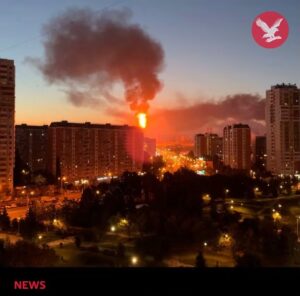
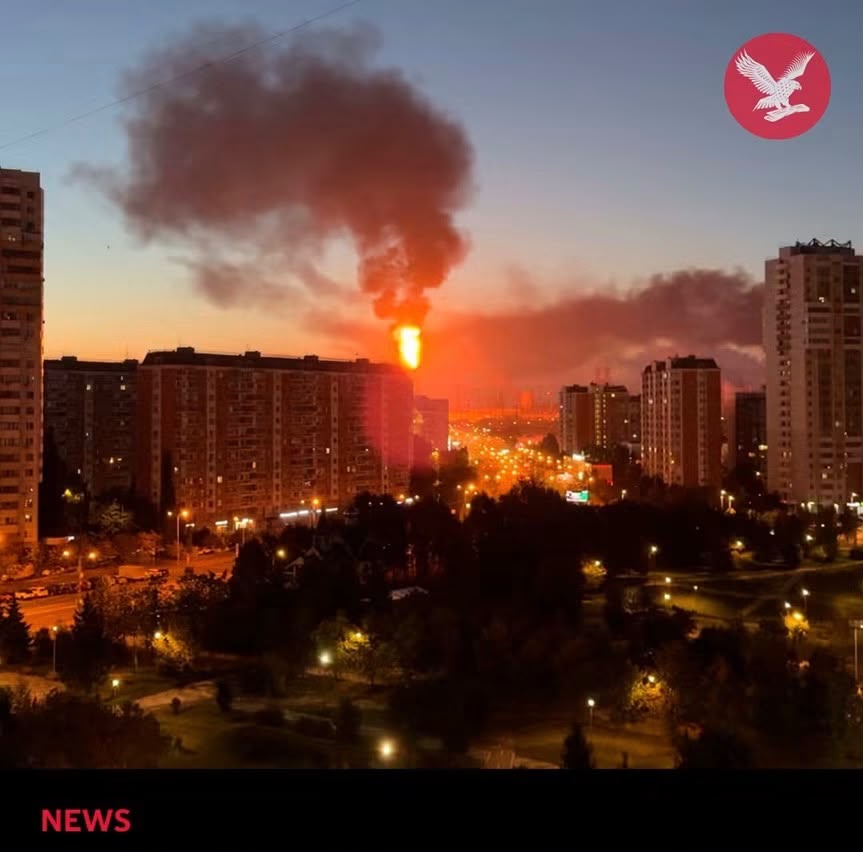
A fresh indication of the widening reach of the campaign came on Sunday, when Ukraine launched a major drone attack on Moscow shortly after Russia’s parliamentary elections. Russian authorities said hundreds of drones were intercepted, while reports showed smoke rising from an oil facility in the capital.
For Moscow, the refinery campaign has therefore moved beyond isolated damage to energy infrastructure. Repeated strikes are putting pressure on the system that supplies Russian motorists, industries and farmers with essential fuels, bringing some of the economic consequences of the war directly into daily life.