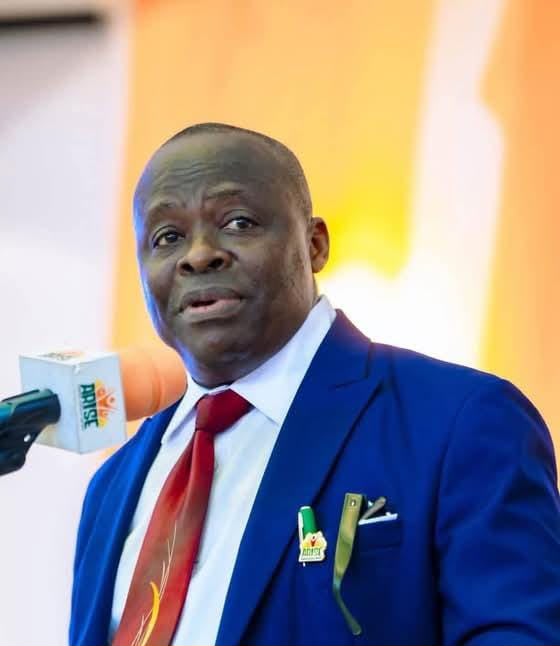

Two years into her tenure as Executive Chairman of Nsit Ibom Local Government Area, Rt. Hon. Otobong Aaron’s administration has placed its development emphasis on a mix of infrastructure, rural connectivity, electricity, agriculture, healthcare, security and direct social intervention.
Since assuming office in October 2024, the administration’s reported interventions cut across the 11 wards of the local government, with a significant portion of the projects targeted at basic infrastructure and community needs.
The record presented by the administration shows an attempt to combine physical development with measures aimed at cushioning economic hardship and expanding opportunities for residents.
Infrastructure and Council Renewal
One of the most visible areas of intervention has been the rehabilitation and renewal of the council’s administrative infrastructure.
The administration has renovated and furnished the Nsit Ibom Council Secretariat, Council Hall, Legislative Chambers and councillors’ offices, while also completing and equipping the previously abandoned Administrative Block at the council headquarters.
The Secretariat Office Block has also been re-roofed, while the council perimeter fence has been painted and rebranded. Solar-powered security lights have equally been installed within the council premises.
Access roads within the Council Secretariat have been constructed, while internal roads across the 11 wards have undergone grading as part of efforts to improve movement within communities.
The administration has also acquired land for an ultra-modern motor park at Afaha Nsit, laying the groundwork for a more organised transportation and commercial facility.
Electricity Moves Beyond the Council Headquarters
Electricity has emerged as another major component of the administration’s intervention.
Transformers have been purchased and installed in Afaha Offiong, Ikot Offiong, Afaha Nsit, Edeobom and Asang 1.
The interventions are particularly significant because electricity infrastructure is one of the basic requirements for small businesses, domestic activities and community development.
The administration has also purchased a 65KVA generator for the council, while solar-powered security lighting has been introduced within the council premises.
Roads and Rural Connectivity
For a predominantly rural local government, road access remains central to economic activity, particularly agriculture.
The administration has undertaken grading of internal roads across the 11 wards, while rural road development has featured prominently in its wider infrastructure agenda.
The focus on road connectivity is consistent with findings from a 2026 assessment of local government projects in Akwa Ibom, which identified rural road improvements, agricultural development, police posts and grassroots empowerment among the interventions being pursued in Nsit Ibom.
Agriculture as an Economic Strategy
Perhaps one of the administration’s more distinctive interventions is the establishment of the Nsit Ibom Model Farm.
The farm provides a practical platform for cultivating crops including cucumber, tomatoes, okra, watermelon, yam, bell peppers and sweet corn, while exposing beneficiaries to modern farming practices.
The administration has also trained 33 farmers and provided each of them with a cash grant of ₦300,000.
Beyond food production, the model farm represents an attempt to position agriculture as an economic activity capable of creating income and employment for residents.
The administration’s emphasis on the farm and agricultural empowerment has also been highlighted in independent reporting on development activities in the local government.
Skills and Youth Development
The ongoing construction of a Skills Acquisition Centre at Ikot Obio Etan is another component of the administration’s human-capital strategy.
The project is particularly significant against the background of an earlier commitment by the chairman to transform the existing Adult Education School in the community into a full-fledged skills acquisition centre and connect trained beneficiaries to empowerment support.
The initiative potentially creates a platform through which young people and other residents can acquire practical skills rather than depend solely on conventional employment.
Health: Strengthening Primary Care
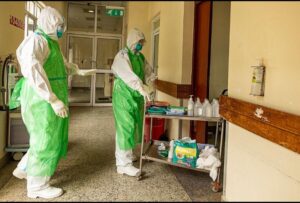
Healthcare intervention has also featured in the administration’s two-year record, with five primary healthcare centres across Nsit Ibom reportedly equipped.
The emphasis on primary healthcare is significant because PHCs constitute the first point of contact for many rural residents, particularly women, children and elderly people.
The administration has also received external support for healthcare. In 2025, Rotary Club Uyo Metropolis, in collaboration with Prof. Nsikak Udokang, donated essential medical equipment to a health facility in Nsit Ibom.
Security and Community Protection
The ongoing construction of a police post at Afaha Offiong adds a security dimension to the administration’s infrastructure programme.
Rather than concentrating development exclusively around the council headquarters, the project is directed at strengthening security presence at community level.
For a rural population, the proximity of security infrastructure can be an important component of maintaining peace and protecting economic activity.
Social Protection Amid Economic Pressure
The administration has also adopted direct cash intervention as part of its response to economic hardship.
According to the administration’s record, 110 indigenes receive monthly support of ₦20,000 each to cushion the effects of the economic crisis.
That translates to ₦2.2 million in monthly assistance to the beneficiaries and ₦26.4 million if maintained over a full year.
Other beneficiaries of targeted support include market women, ex-servicemen and their wives and widows.
The administration has also supported Nsit Ibom students through payment of bursary obligations, extending its intervention beyond physical infrastructure to education and household welfare.
Community-Based Support
Beyond large projects, the administration has made a number of targeted interventions at community level.
These include the provision of a portable borehole at Demonstration Primary School, Afaha Nsit, presentation of a motorcycle to the Village Head of Ukat Nsit, Eteidung Sunday Paul Inyang, and presentation of a vehicle to the chairman’s Personal Assistant.
While some of these interventions are modest compared with major infrastructure projects, they reflect the administration’s stated approach of combining council-wide projects with community-specific assistance.
What the Two-Year Record Shows
Taken together, the reported interventions point to an administration operating across several layers of grassroots governance: physical infrastructure, electricity, roads, agriculture, healthcare, security, education, social protection and institutional renewal.
The most notable feature of the record is the spread of interventions beyond the council headquarters. Road grading across the 11 wards, transformer installations in multiple communities, healthcare support, agricultural training and community-based assistance indicate an effort to distribute government intervention geographically.
The administration has also attracted external attention. A 2025 civil society assessment resulted in the presentation of a Certificate of Credence on Leadership and Good Governance to Aaron, with the organisation citing interventions in agriculture, education, healthcare, human-capital development and infrastructure.
At the same time, several projects remain ongoing rather than completed, including the police post at Afaha Offiong and Skills Acquisition Centre at Ikot Obio Etan. A public performance tracker likewise lists a number of Nsit Ibom projects as ongoing, underscoring the distinction between completed interventions and works still in progress.
Two years into the administration, therefore, the Otobong Aaron record is defined less by a single signature project than by a collection of interventions spread across the basic responsibilities of local government—from roads and electricity to healthcare, agriculture, security and social support.
For Nsit Ibom, the next phase will be measured not only by the completion of ongoing projects but also by the sustainability, reach and measurable impact of the initiatives already introduced across the 11 wards.