President Bola Tinubu says federal universities will no longer need recruitment waivers from the Office of the Head of the Civil Service of the Federation, as his administration moves to give higher institutions greater control over staffing and payroll.
Tinubu said the changes were designed to strengthen university autonomy, improve efficiency and enable institutions to recruit and retain the skilled academics and professionals needed for teaching, research and innovation.
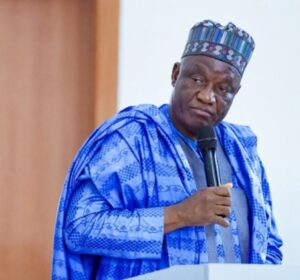
The President spoke at the maiden convocation of the Federal University of Health Sciences, Azare (FUHSA), Bauchi State, held at the weekend. He was represented at the ceremony by the Executive Secretary of the Tertiary Education Trust Fund (TETFund), Architect Sunny Echono.
Under the new arrangement, the Federal Ministry of Education and university governing councils are expected to play their respective roles in staff recruitment without institutions having to seek waivers from the Office of the Head of the Civil Service of the Federation.
The government is also taking federal universities out of the Integrated Personnel and Payroll Information System (IPPIS), with plans to develop a payroll framework that better reflects the peculiar needs of the university system.
Tinubu said the measures formed part of broader efforts to give universities more room to manage their affairs and build institutions capable of competing effectively in teaching, research and national development.
“We are also reforming the way our universities operate. As part of our commitment to greater institutional efficiency and autonomy, the Federal Government has removed universities from the requirement to obtain recruitment waivers,” he said.
The President said his administration recognised the importance of staff welfare, professional development and career progression, adding that lecturers, researchers and administrators remained central to the performance of the education sector.
He said the government was committed to creating conditions that would promote merit, productivity and academic excellence, while enabling universities to attract and retain qualified personnel.
Tinubu also addressed the security of educational institutions, saying the Federal Government was strengthening measures to protect students, teachers and other members of academic communities.
He said the Safe School Initiative and other security interventions were intended to make schools and universities safer places for learning, teaching and research.
According to him, protecting educational institutions goes beyond security concerns, as safety is essential to academic achievement, human capital development and the country’s long-term progress.
The President urged university authorities to make effective use of the reforms to improve institutional management and build a more competitive higher education system.